
Last updated November 15, 2026
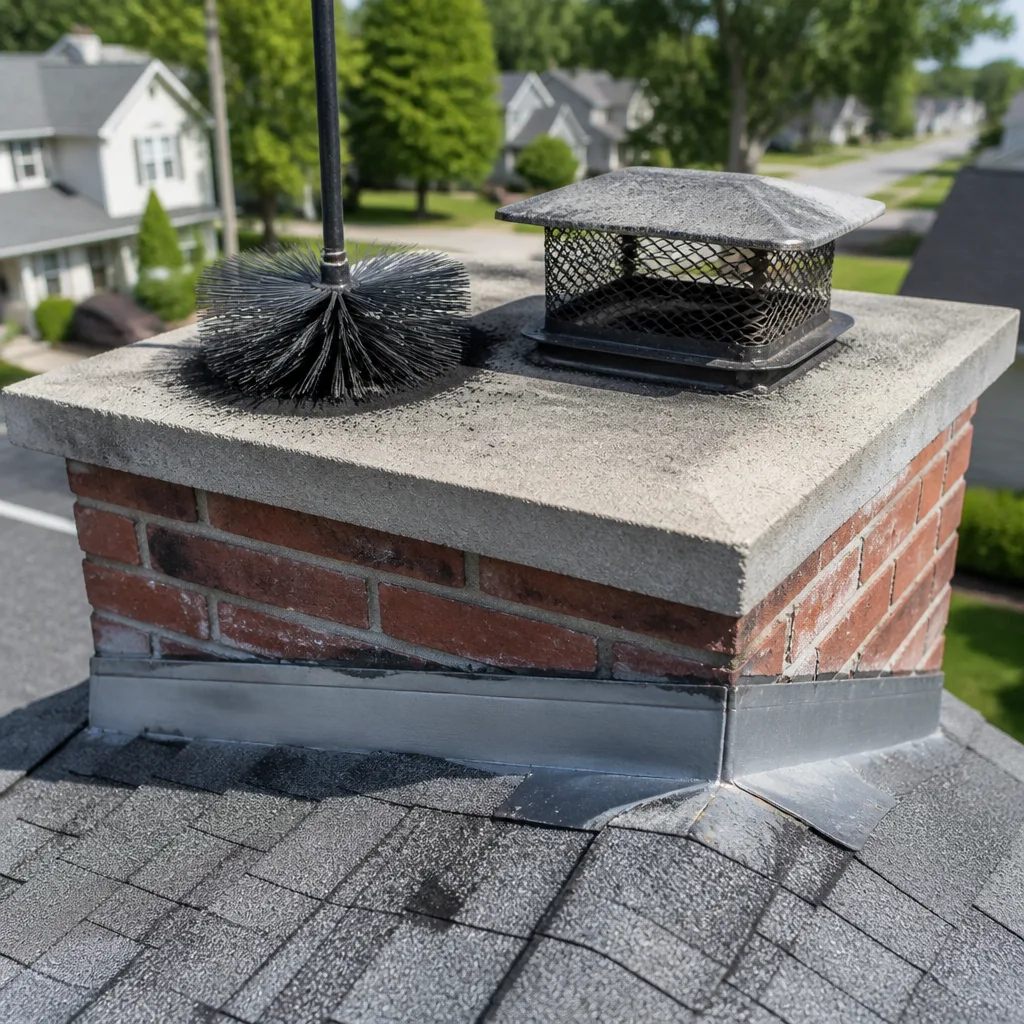 Sweep & inspection
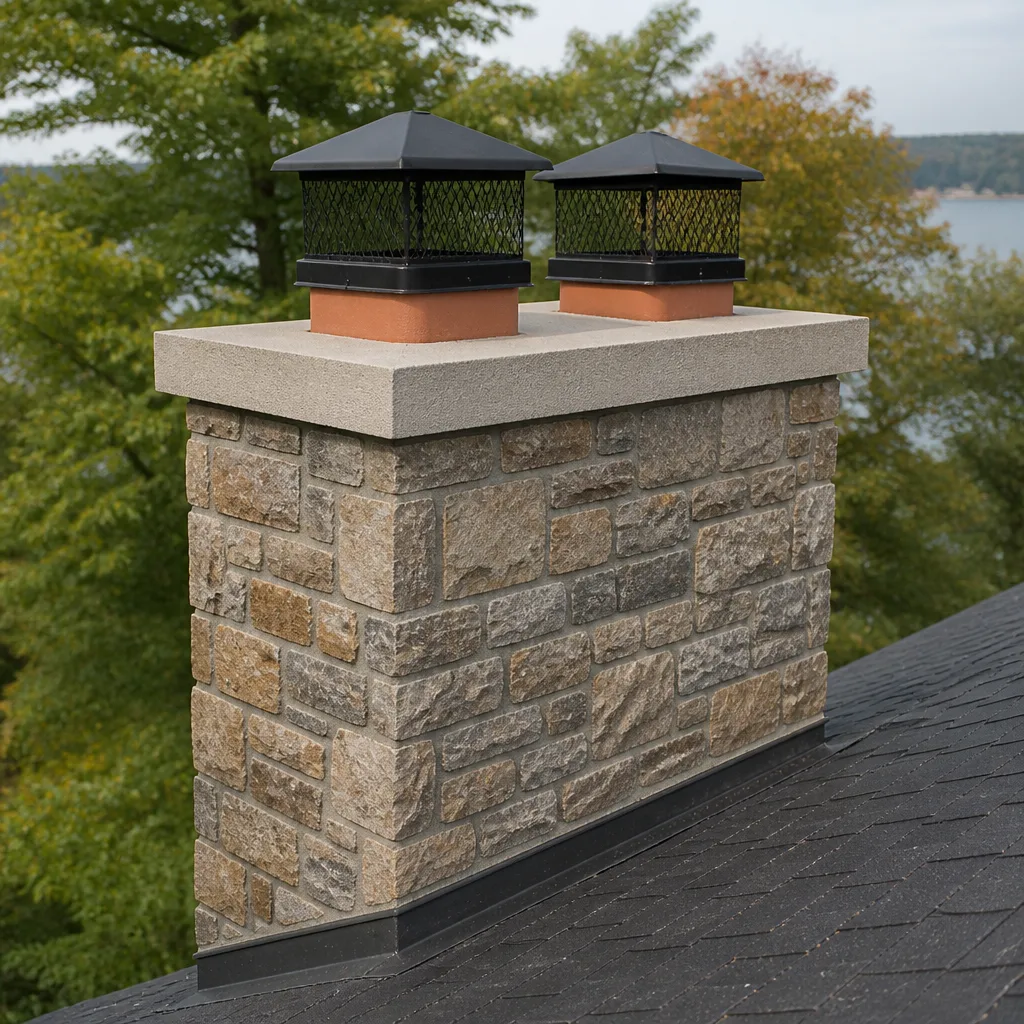 Caps & crowns
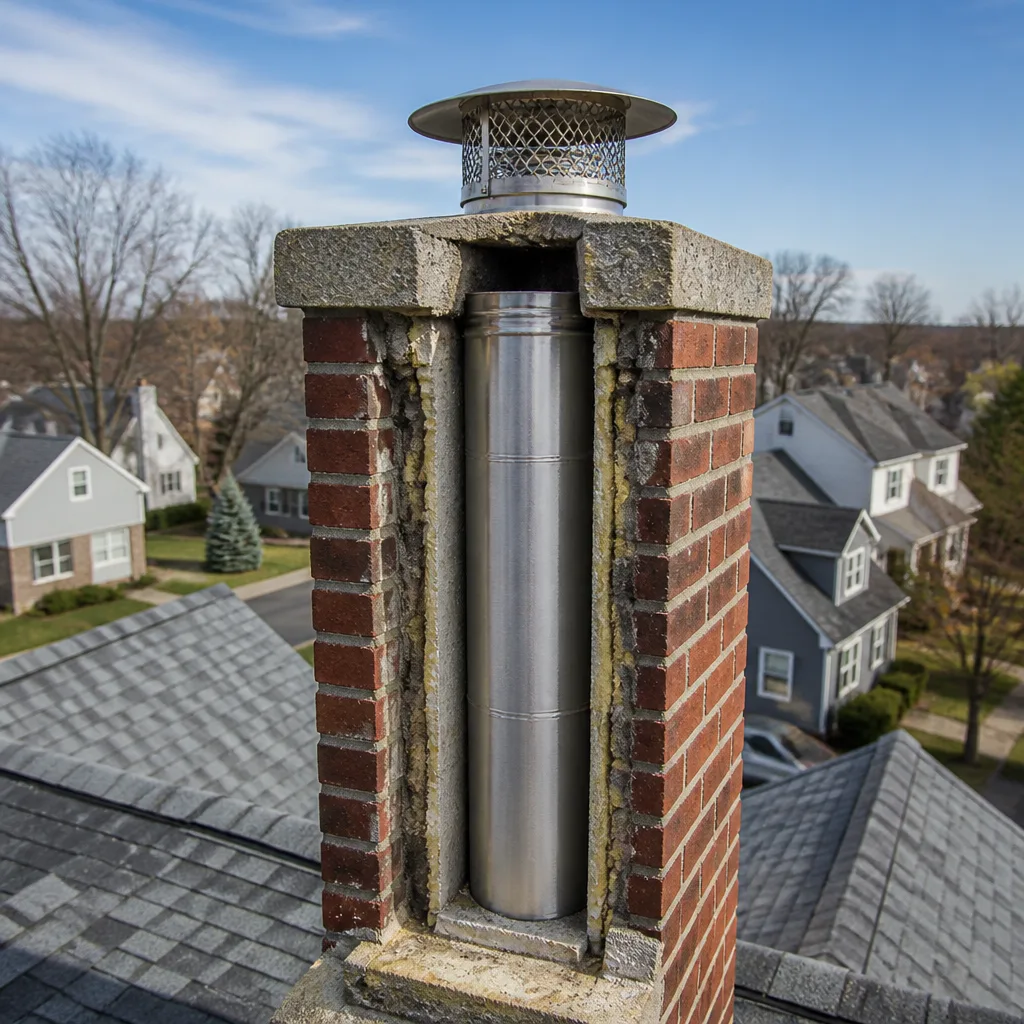 Flue relining
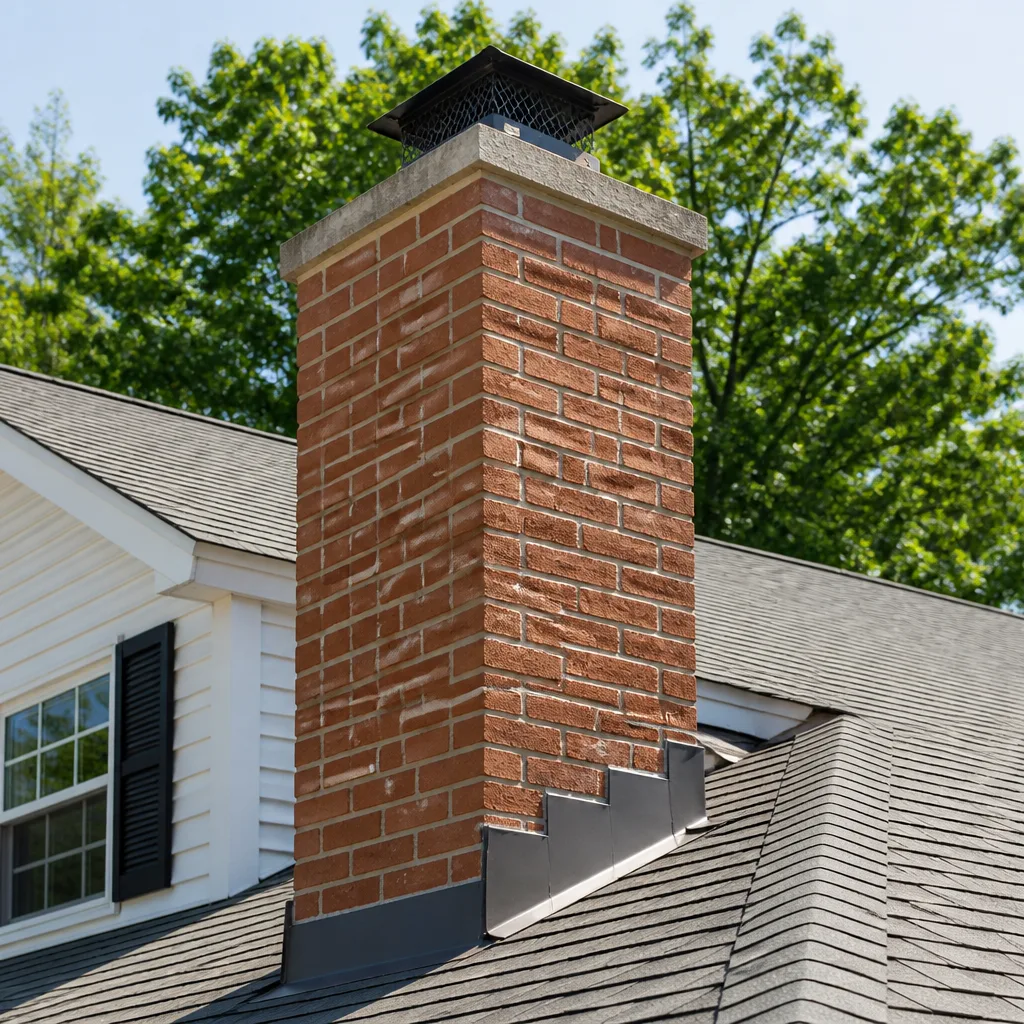 Masonry repair
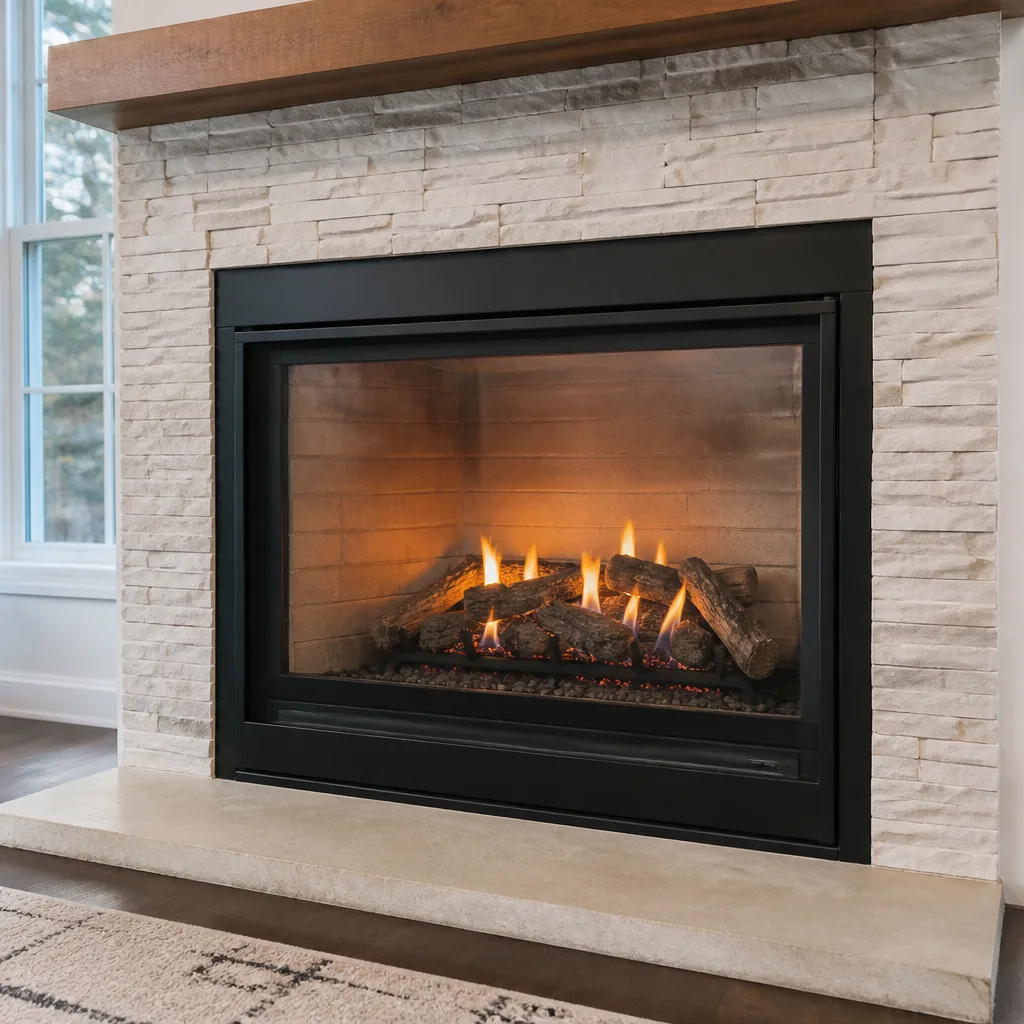 Gas fireplace service
Level 1 sweep and inspection to the NFPA 211 annual standard - flue, crown, cap, and flashing checked and photographed
Chimney sweep logs do not sweep chimneys. They loosen some creosote - which then falls where a brush and vacuum still have to collect it.
Choosing the Right Chimney Cleaning Brand: A Buyer’s Guide for Chandler
Most homeowners judge a chimney company by the truck, the uniform, or the price on the estimate. The part that actually determines how long your chimney lasts is harder to see: the brands behind the materials. A galvanized cap and a stainless steel cap look almost identical on the day they’re installed. Ten years of Chandler sun later, one is still doing its job and the other has rusted through. The product names a contractor uses tell you more about their standards than any brochure. This guide shows you what to ask, which product categories matter, and how to read the answers, so you can tell a technically serious chimney professional from a budget operator.
Quick Answer
The right chimney cleaning brand is the one whose materials are rated for your climate and installed to spec, not the cheapest name on a shelf. In Chandler, that means liner systems, caps, crown coatings, and sealants built for intense UV and dry heat, not cold-weather markets. Ask any contractor which brands they use for liners, caps, and crown repair, and whether those products come from a professional supply chain or a big-box store. Full-service companies like Chandler Chimney Sweep work with names such as DuraFlex, HeatShield, Gelco, Olympia Chimney, Famco, and Copperfield, and that roster is a reasonable benchmark for what professional-grade sourcing looks like.
Styles & brands we work with
- Sweep & inspection
- Caps & crowns
- Flue relining
- Masonry repair
- Gas fireplace service
Table of Contents
- Why Chimney Product Brands Matter More Than Marketing
- The Four Material Categories That Decide Chimney Longevity
- Professional-Grade vs. Box-Store: What Actually Differs
- Why Chandler’s Climate Demands Different Specifications
- How to Ask a Contractor About Brands (and Read the Answers)
- Warranty Coverage and the Materials Underneath It
- Where Named Brands Fit in Real Chimney Work
- Common Mistakes to Avoid
Why Chimney Product Brands Matter More Than Marketing
A chimney is a system, and every part of it fails at a different rate depending on what it’s made of. The flue liner, the crown, the cap, the flashing, and the sealants around them all interact with heat, moisture, and sun. When a contractor specifies a brand, they’re making a bet about how those parts will perform over the next decade or two. That bet is what you’re really paying for.
Marketing claims are easy to make. Product lines are harder to fake. A company that works with professional-grade brands has to maintain supplier relationships, keep up with installation specifications, and often complete manufacturer training to use certain systems. That’s a filter. A generalist handyman who buys whatever’s on the shelf at the hardware store doesn’t have access to those products, and often doesn’t know how to install them correctly if they did.
In our experience across Chandler, the difference shows up years after the job. Liners that were underspecified for the appliance fail early. Caps that weren’t UV-rated chalk and crack. Crown coatings that were meant for a milder climate break down under our summer sun. None of that is visible on installation day. All of it traces back to material choice.
Here’s the part most homeowners miss: brands also signal training. A company that uses HeatShield for crown and flue resurfacing has learned a specific ceramic system. A company that specifies DuraFlex for relining has worked with a flexible liner product line and its installation requirements. A sweep-only operation that never touches repair work has no reason to carry any of that knowledge. The brand roster is a proxy for the contractor’s technical range.
The Four Material Categories That Decide Chimney Longevity
Chimney work involves dozens of small components, but four categories do most of the work in determining how long a chimney stays safe and functional. Pay attention to what a contractor says about each one.
1. Liner systems
The flue liner carries combustion gases out of the house and protects the surrounding masonry from heat and corrosive byproducts. Stainless steel flexible liners are the standard for relining an existing chimney, and the grade of steel, wall thickness, and joint construction all affect lifespan. DuraFlex is one example of a professional-grade flexible liner line. Clay tile liners are traditional but crack over time, especially in a climate with wide temperature swings between day and night.
2. Chimney caps
The cap keeps rain, animals, and debris out of the flue and sparks off the roof. Galvanized steel caps are cheaper and rust faster. Stainless steel caps cost more up front and last considerably longer, particularly under strong UV. This is one of the clearest places where brand and material grade separate a serious contractor from a budget one. A cap is a small item, but replacing a rusted one every few years costs more than installing a good one the first time.
3. Crown coatings and resurfacing systems
The crown is the concrete surface at the top of the chimney that sheds water away from the masonry. When it cracks, water gets in, and masonry damage follows. Flexible crown coatings bridge small cracks and move with the chimney as it expands and contracts. HeatShield is a ceramic resurfacing system professionals use to restore damaged flue interiors and crowns rather than just patching over them. That capability matters: it means structural problems can be corrected, not just cleaned around.
4. Sealants and flashing materials
Sealants at the roof line and around the flashing are where most slow leaks start. The right product depends on the substrate: masonry, metal, or roofing material. A high-temperature silicone rated for chimney use behaves very differently than a general-purpose caulk. In Chandler, the sealant also has to hold up to sun exposure that degrades lesser products quickly.
Professional-Grade vs. Box-Store: What Actually Differs
Walk into any home improvement store and you’ll find chimney caps, sealants, and patch kits. They’ll technically work for some applications. Here’s what separates them from the professional-grade products a serious contractor sources.
- Heat rating. Liners and components near the flue need to be rated for the temperatures a chimney actually produces. Box-store products are often rated for lower-temperature applications and can degrade under real chimney conditions.
- UV resistance. This is a big one in Chandler. Products designed for cold-weather markets don’t always hold up to years of intense sun. Professional-grade caps and coatings that are UV-stable are specified differently.
- Material grade. A stainless steel cap and a galvanized one look similar; the alloy and thickness tell a different story. Liner steel grade affects corrosion resistance and lifespan.
- Warranty. Professional product lines typically come with manufacturer warranties that box-store equivalents don’t match. The warranty is often only valid when installed by a qualified professional, which is another signal of sourcing quality.
- Availability of technical support. Professional brands back their products with installation specs, training, and technical help. A generalist buying off the shelf doesn’t have that behind them.
None of this means a homeowner should refuse a contractor who uses a brand not on this list. It means the question is worth asking. A contractor who can name the products they use, explain why, and describe how those products are specified for Chandler conditions is a contractor who has thought about the material side of the work.
Why Chandler’s Climate Demands Different Specifications
Chimney products are often specified for the climates where they’re most commonly sold, and much of the country has a very different climate from Chandler. Our winters are mild. Our summers are long, hot, and dry. The sun is intense, and the day-to-night temperature swing is significant.
That combination puts specific pressure on chimney materials. UV exposure breaks down coatings, sealants, and cap finishes faster than in milder climates. Dry heat stresses masonry differently than moisture cycling does. Wide daytime-to-nighttime temperature swings cause materials to expand and contract, which is hard on crowns, sealants, and joints.
Products rated only for cold-weather markets may not hold up. A crown coating designed with freeze protection in mind might be the wrong product for a Chandler chimney where the real enemy is sun and thermal cycling. A cap that was designed to shed snow may be overbuilt for our climate but underrated for UV. The right specification depends on the local conditions.
When you’re asking a contractor about their materials, ask specifically how the products they use are rated for UV and water resistance, not just for cold. A contractor who understands the local climate will answer that easily. A contractor who hasn’t thought about it will give you a general answer that doesn’t address the question.
How to Ask a Contractor About Brands (and Read the Answers)
Asking about brands isn’t about catching anyone out. It’s about understanding what you’re paying for. Here’s a simple sequence that gets you useful answers.
- Ask which brands they use for liners. A professional will name a specific product line and be able to explain why. A vague answer or “whatever the supplier has” is a signal.
- Ask about cap materials. Stainless steel versus galvanized is a fundamental distinction, and any contractor who works in Chandler should have an opinion. Ask what they’d put on your chimney and why.
- Ask whether they handle repair alongside cleaning. A sweep-only company may not have brand relationships in repair products at all. A full-service contractor works with liner, crown, and resurfacing products regularly, which is why they have supplier relationships with names like HeatShield or Famco.
- Ask how they source. The follow-up question is where the materials come from. Professional supply-chain products are not the same as what’s available at a big-box store. Copperfield and Famco are examples of professional suppliers.
- Ask what happens if a product fails. A contractor who works with professional brands usually has a clear answer about warranty coverage and what they do if a component fails early.
- Ask for a camera inspection report. The material claims only matter in the context of what your chimney actually needs. A camera inspection and a photo report you can review yourself tells you whether the recommendations match the evidence.
What you’re listening for is specificity. A contractor who works with branded professional products will name them without hesitation and explain why they choose them. A contractor who can’t or won’t is telling you something about their supply chain and their training.
Warranty Coverage and the Materials Underneath It
A contractor warranty is only as good as the materials underneath it. Some contractor warranties aren’t worth the paper they’re printed on because the products being covered weren’t built for the conditions they’re installed in.
Here’s the distinction that matters. A manufacturer warranty on a professional-grade product typically assumes correct installation by a qualified professional using the specified system. When a contractor installs a substandard liner or a box-store cap under their own warranty, the manufacturer isn’t behind the product. If something fails three years later, the customer is dependent entirely on the contractor’s willingness to honor their own language, and there’s nothing underneath it.
Professional-grade products shift some of that risk to the manufacturer, which is one reason contractors who care about their reputation use them. The warranty follows the material quality. So when you compare a slightly higher estimate against a lower one, ask what the material grade difference explains. The gap between an estimate from a contractor using DuraFlex and one using an unspecified liner is often about what happens if that liner fails five years from now.
Warranty questions are also a good way to check that the contractor understands the products they’re using. A contractor who can explain the manufacturer’s coverage, what voids it, and what installation requirements the manufacturer specifies is a contractor who knows their material line. A vague answer about warranty coverage is a tell.
Where Named Brands Fit in Real Chimney Work
Here’s how the professional brand landscape usually maps to actual chimney work, so the names mean something when you hear them.
- DuraFlex is a flexible stainless liner line used for relining chimneys. When a contractor mentions DuraFlex, they’re typically talking about relining a flue where the existing liner is cracked, damaged, or undersized.
- HeatShield is a ceramic resurfacing product used to restore damaged flue interiors and crowns. It’s a restorative system, not a cosmetic patch, and it’s often specified when a chimney needs structural correction rather than full relining.
- Gelco is a professional-grade product line used in chimney and venting work. Contractors who carry it are working within the professional supply chain rather than sourcing box-store equivalents.
- Olympia Chimney is a professional brand for chimney components, including caps and venting products.
- Famco supplies venting and liner components, relevant for inspections, code compliance, and new installations.
- Copperfield is a professional supplier of chimney and venting products.
The point isn’t to remember every name. It’s to understand that the brands a contractor works with tell you which parts of the work they take seriously. A company that has relationships with liner brands, resurfacing systems, and venting suppliers can handle diagnosis, cleaning, and repair under one roof. That means no handoff to a second company when the sweep finds a problem, which is a real practical advantage when you’re scheduling work in Chandler.
If you’re comparing a sweep versus a full-service contractor, ask what happens when the inspection turns up an issue. A sweep-only operation typically stops and refers you. A full-service contractor diagnoses, cleans, and repairs as a single qualified contractor. That continuity matters for both quality and warranty.
How to Verify a Contractor’s Material Claims
You don’t have to take a brand name on faith. There are practical ways to check that the materials going into your chimney are what the contractor says they are.
- Ask for the product specification sheet. Professional brands publish installation specs and product data. A contractor should be able to share what they use.
- Look at the materials on the estimate. A written estimate should specify the liner grade, cap material, and coating system, not just “chimney repair.”
- Ask about manufacturer training. Some products require specific training or certification to install under the manufacturer’s warranty. Ask whether the contractor is authorized for the products they’re using.
- Request the camera inspection report. The photo report shows you the condition of the flue and the crown. You can then cross-check the recommended materials against what the report shows.
- Ask what happens after installation. A contractor who uses professional-grade products typically has a clear warranty process. Ask them to put it in writing.
If a company can’t answer these questions clearly, that’s useful information. A professional contractor answers material questions easily because the materials are central to what they do. The right materials, installed correctly, is a simple standard, but it takes a contractor with real supplier relationships to meet it.
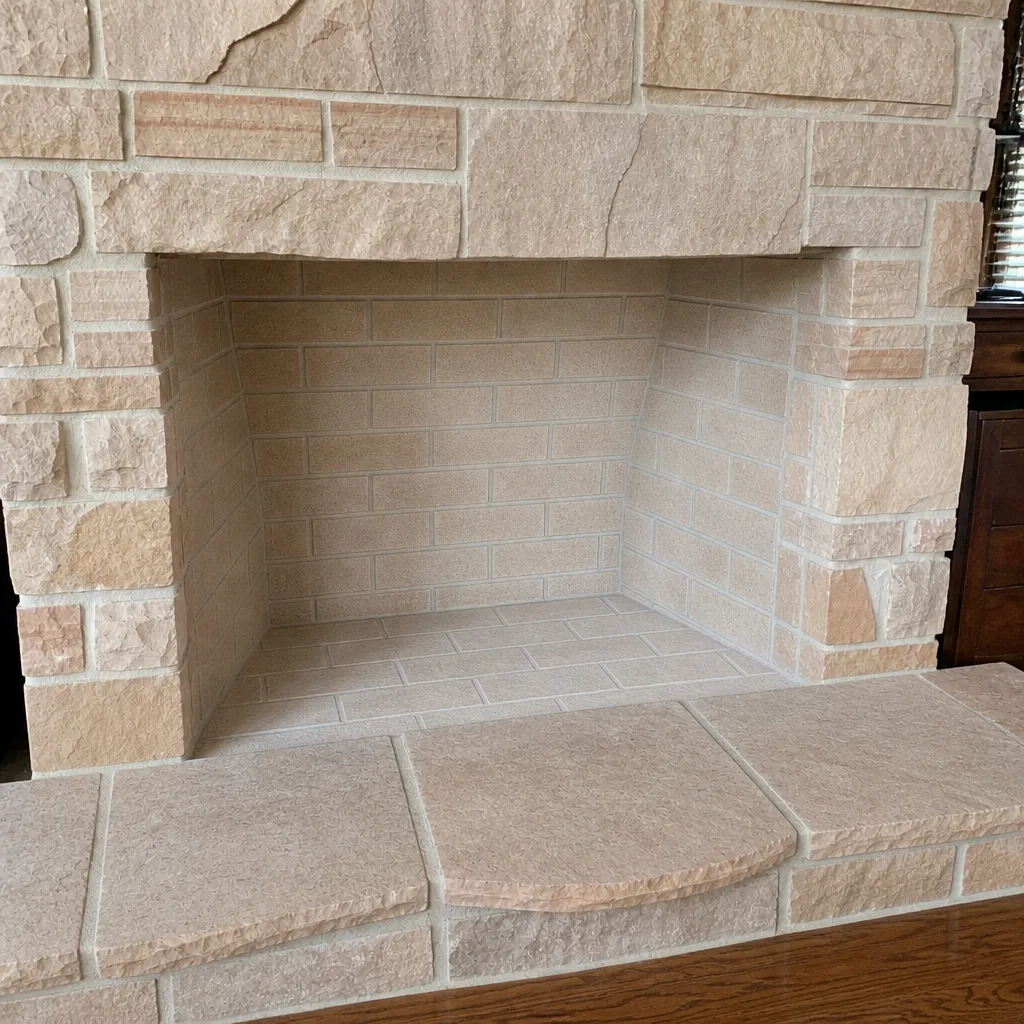
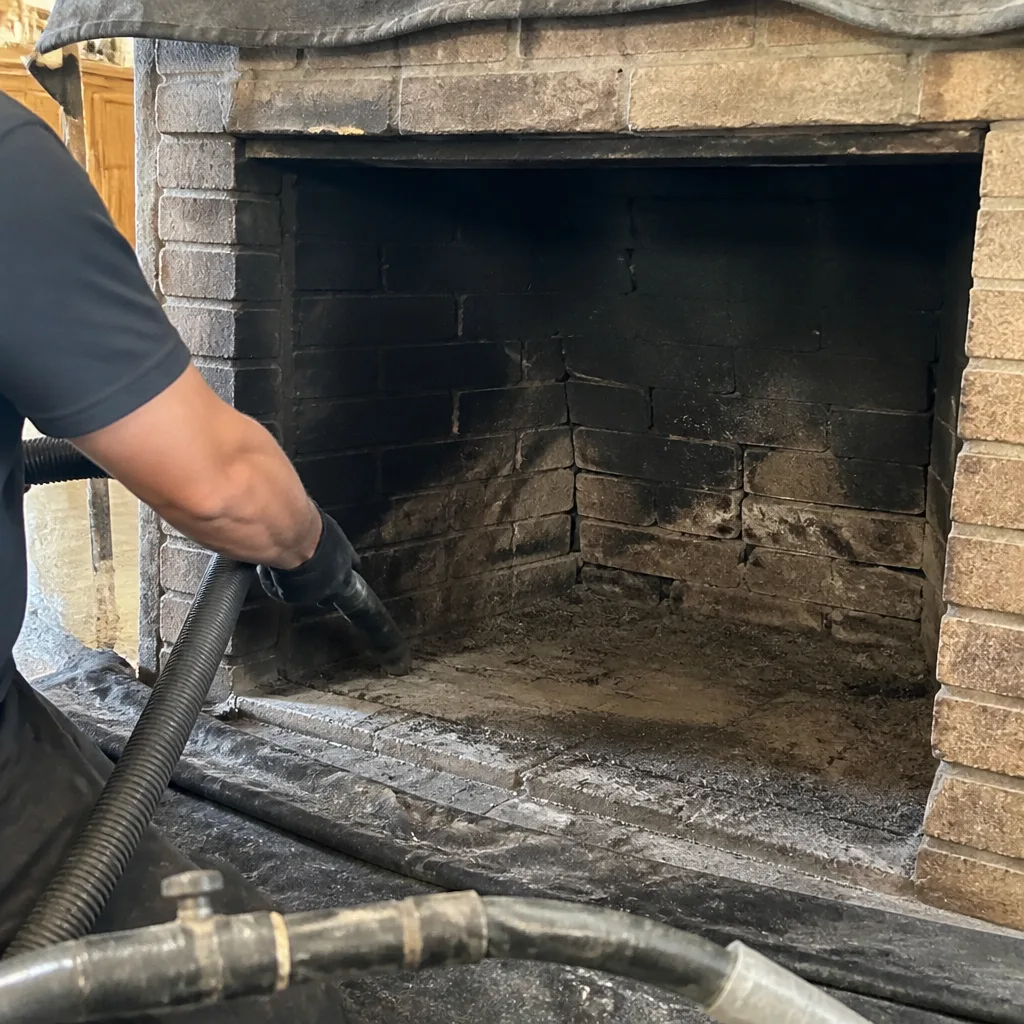
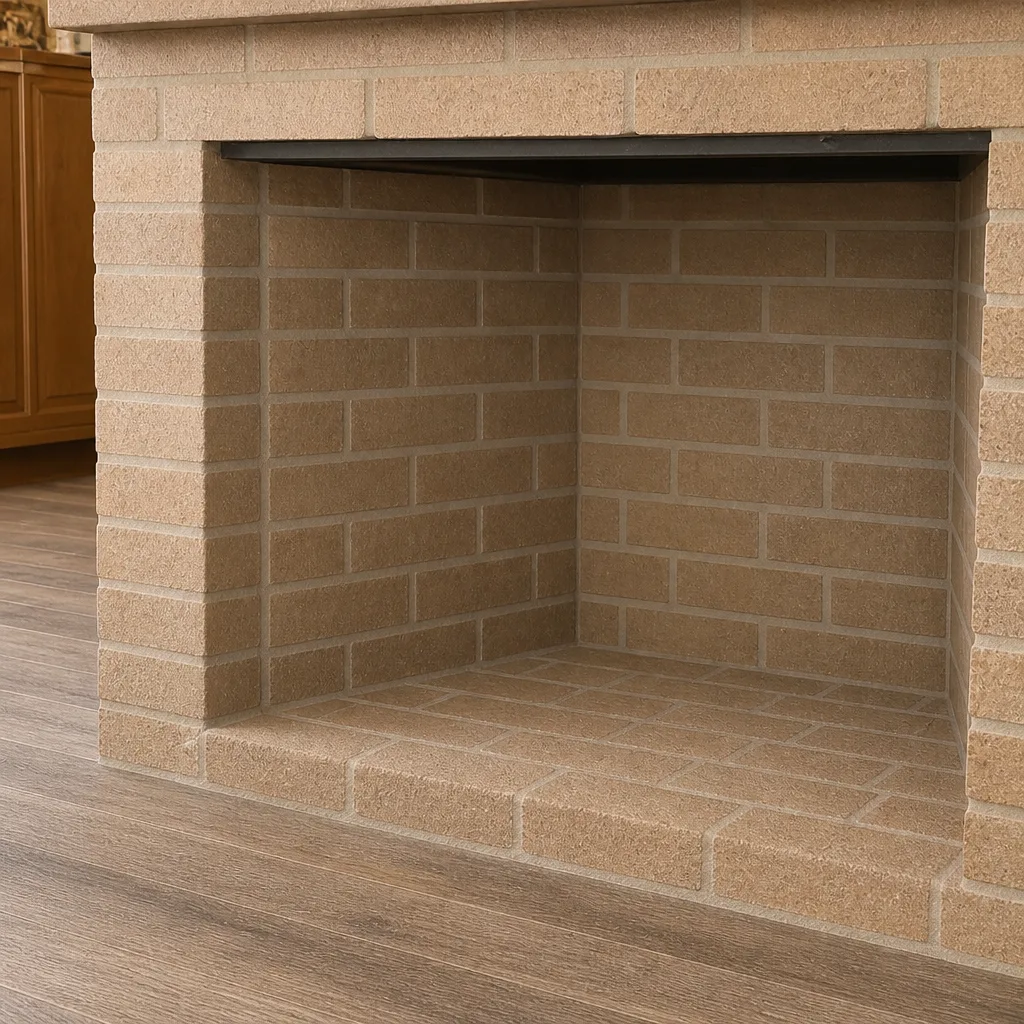
See the difference
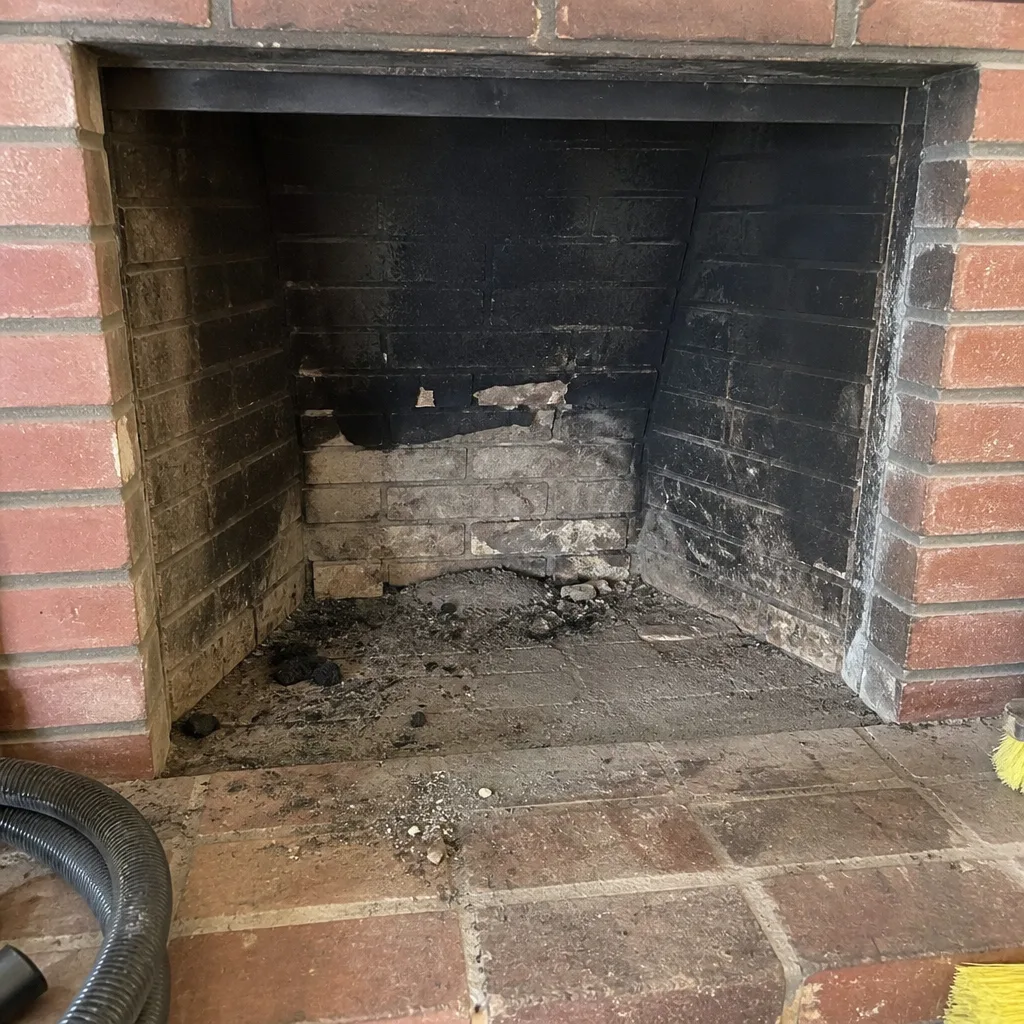 Before
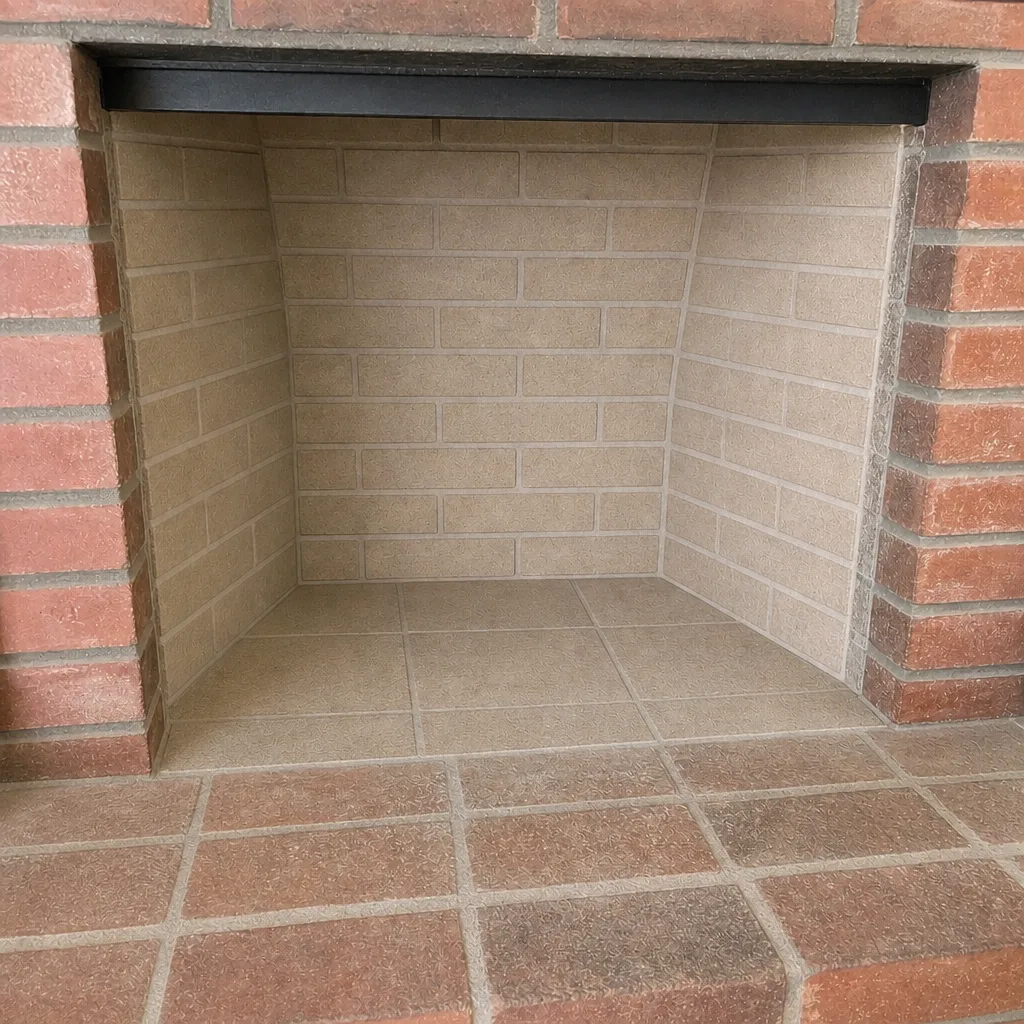 After
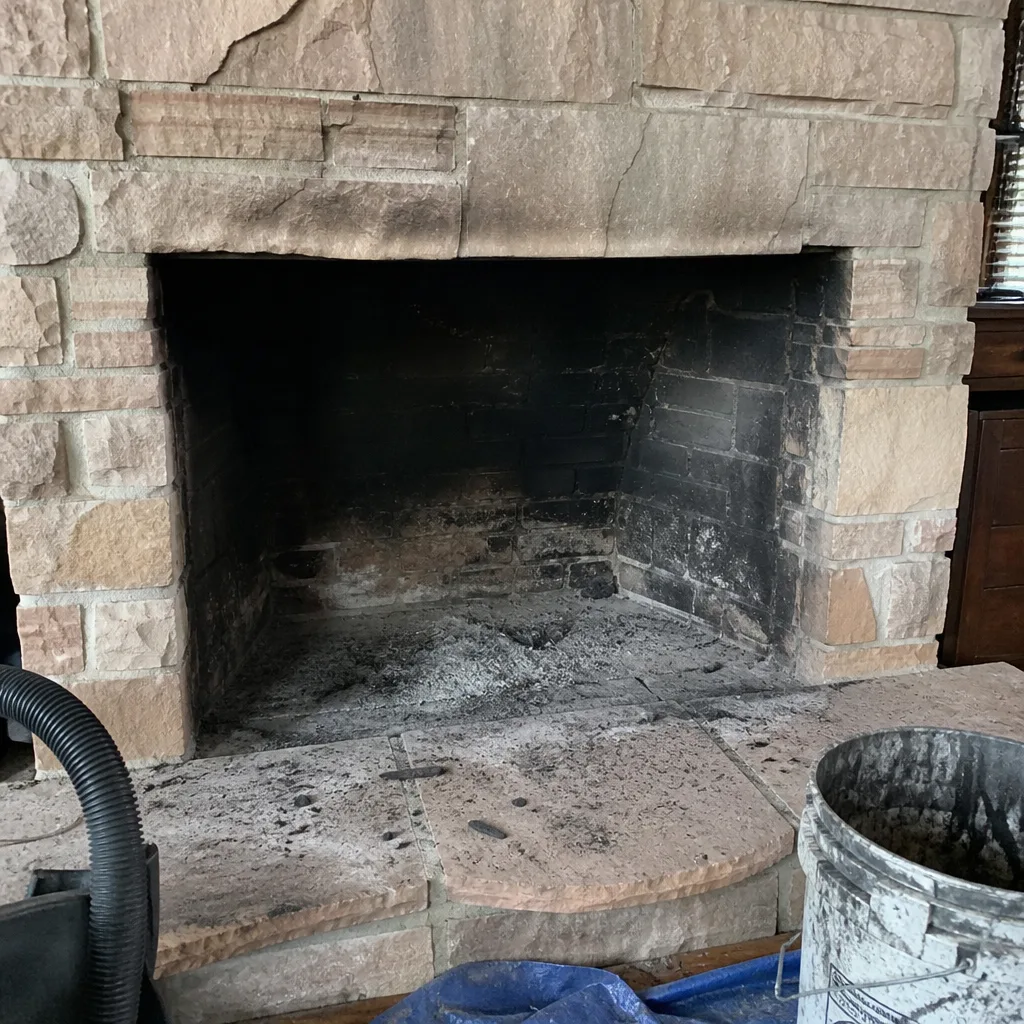 Before
 After
 Before
 After
Dryer Vent Products: The Second Brand Question
Chimney work isn’t the only place where materials matter. Dryer vent cleaning and repair involves its own product categories, and the same logic applies. Flexible foil ducting, semi-rigid duct, and smooth rigid metal ducting all have different performance and safety characteristics. Smooth metal ducting is easier to keep clean and safer over time, while corrugated foil ducts tend to trap lint and can be more of a fire risk.
If you’re having your chimney swept, it’s a good moment to ask about dryer vent cleaning too, as a standalone service. Dryer vent fires are a leading cause of residential house fires, and the materials used in the vent run affect how much lint accumulates. A contractor who also works with professional venting products can advise on whether your existing ducting is up to spec. In Chandler’s dry heat, lint accumulation combined with an older, corrugated vent run is exactly the kind of thing a routine check catches.
Common Mistakes to Avoid
- Choosing on price alone. The lowest estimate usually means a lower-grade liner or cap. That’s fine if you understand what you’re getting, but a cheap installation can fail early enough to cost more than the higher estimate would have.
- Assuming a brand name on the truck equals a brand on the chimney. Ask specifically which products are going into your flue, cap, and crown. A logo doesn’t say what’s actually being installed.
- Skipping the camera inspection. Recommendations without camera evidence are hard to verify. Ask for a photo report and check the recommendations against it before you approve anything.
- Assuming cold-weather products work here. Chandler’s UV and thermal conditions are different from much of the country. Ask specifically about UV and water resistance ratings, not just temperature ratings.
- Not asking about warranty. A contractor warranty is only as good as the materials underneath it. Ask what the manufacturer covers and what voids it.
- Ignoring the dryer vent. It’s easy to focus on the fireplace and forget the vent run. Ask about both, especially if you have an older home in Chandler.
- Assuming box-store products are equivalent. They’re not the same. Professional supply chains, including Copperfield and Famco, source products spec’d for professional installation, not retail packaging.
When to Call a Professional
Some chimney work is routine maintenance; some is a hard stop. Call a professional if you’re scheduling a chimney sweep for the first time, if it’s been more than a year since the last sweep, or if you’re noticing performance changes like smoke backing into the room, a weaker draft, or a smell you can’t place. Call before you light the first fire of the season, especially in an older Chandler home where the liner condition is unknown. Call right away if you see cracked flue tiles, damaged mortar, or a crown that’s visibly broken; those are structural issues that need diagnosis and, often, repair, not just cleaning. High-tension springs and door hardware are outside this guide, but on any chimney job the rule is the same: if the component is structural or dangerous to reach, a trained professional should be the one to assess it.
Chandler Chimney Sweep offers free estimates in Chandler. Our technicians have up to 12 years of experience, and we can work with your insurer on qualifying repairs. Call (855) 664-1862. We answer 24/7. Fast dispatch from 7am to 7pm, Sunday through Friday.
Frequently Asked Questions
Look for professional-grade product lines rather than box-store equivalents. Names like DuraFlex for liners, HeatShield for resurfacing, Gelco and Olympia Chimney for components, and Famco and Copperfield as professional suppliers are a reasonable benchmark. The exact name matters less than whether the contractor can explain what the product is spec’d for and why it’s the right choice for your chimney in Chandler.
Yes. Chandler’s UV exposure is intense, and galvanized steel caps rust and degrade faster than stainless steel. The material difference between a lower-grade cap and a professional stainless cap is the difference between replacing it every few years and not worrying about it for a much longer stretch. Ask what material the cap is and whether it’s UV-rated.
Many chimney products are specified for cold-weather markets, where freeze protection is the primary concern. Chandler’s climate is the opposite: long, hot, dry summers with significant day-to-night temperature swings. Coatings, sealants, and caps need to hold up to UV and thermal cycling, not snow. Products rated only for cold weather can fail early here.
Not much. A contractor warranty on a substandard material is only as strong as the contractor’s willingness to honor it, because the manufacturer isn’t behind a product that wasn’t spec’d for professional installation. Professional-grade products shift some of that risk to the manufacturer, which is why material grade and warranty coverage tend to rise and fall together.
Ask for it in the written estimate. The liner grade, cap material, and coating system should be specified, not just “chimney repair.” Ask for the product spec sheet and, if the product line requires trained installation, ask whether the contractor is authorized for it. A contractor who knows their materials answers these questions directly.
It’s worth asking about, even if your dryer seems fine. Dryer vent fires are a leading cause of residential house fires, and older corrugated foil ducting traps lint more than smooth metal ducting. A standalone dryer vent cleaning and inspection in Chandler is a practical add-on to a chimney visit and a good way to confirm your vent run is up to spec.
The Bottom Line
The brands behind a chimney company’s materials tell you more about their standards than any marketing claim. In Chandler, the specification that matters most is UV and heat resistance, and professional-grade products from suppliers like Copperfield and Famco, along with resurfacing systems like HeatShield or liner products like DuraFlex, are a reasonable signal of a contractor who takes the material side seriously. When you’re comparing estimates, ask what products are going into your flue, cap, and crown, and ask why. A contractor who can explain their choices is a contractor worth hiring. Full-service companies handle cleaning and repair under one roof, so there’s no handoff when the inspection turns up an issue.
If you want a free estimate on chimney sweeping, chimney repair, or dryer vent cleaning in Chandler, call (855) 664-1862. We answer 24/7. Fast dispatch from 7am to 7pm, Sunday through Friday. Our technicians have up to 12 years of experience, and we can work with your insurer on qualifying repairs. Chandler Chimney Sweep is the starting point for the full picture of our team and services.
Written by the team at Chandler Chimney Sweep.