
Last updated November 15, 2026
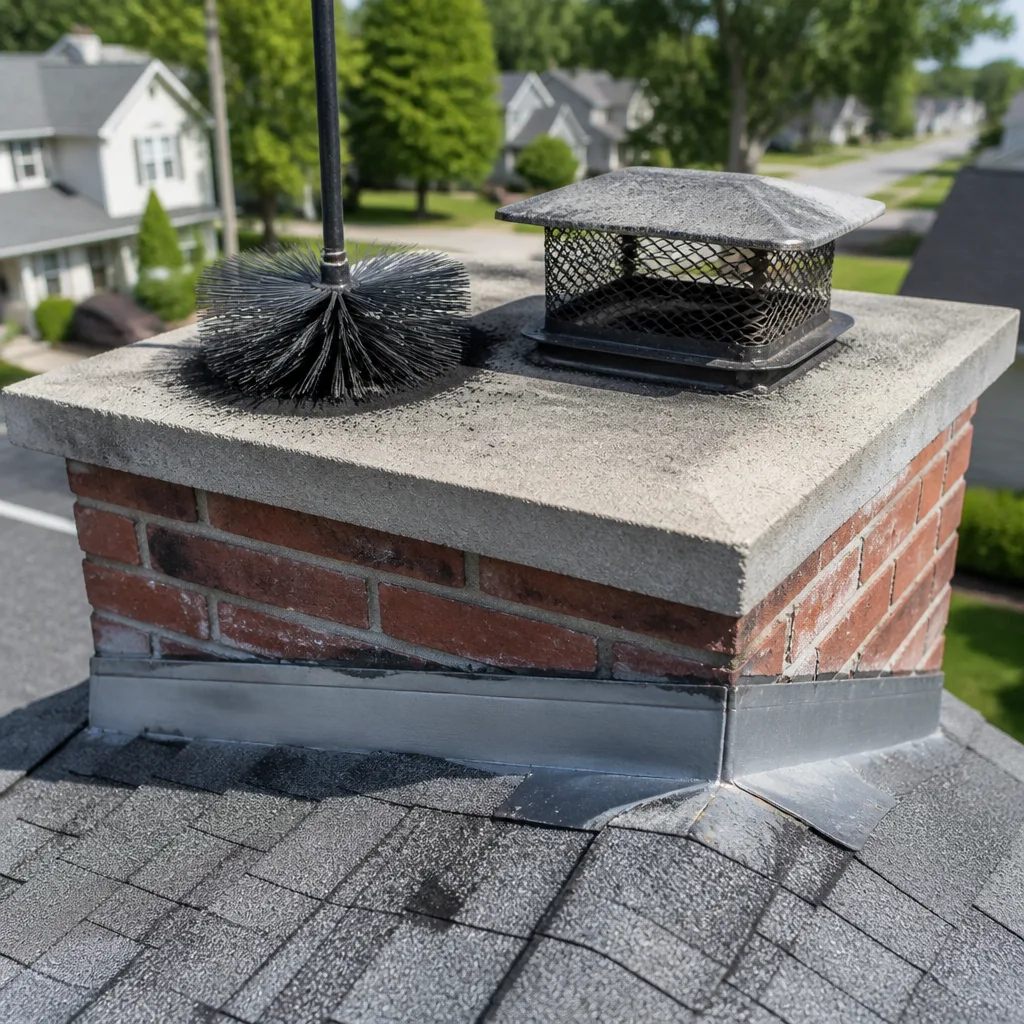 Sweep & inspection
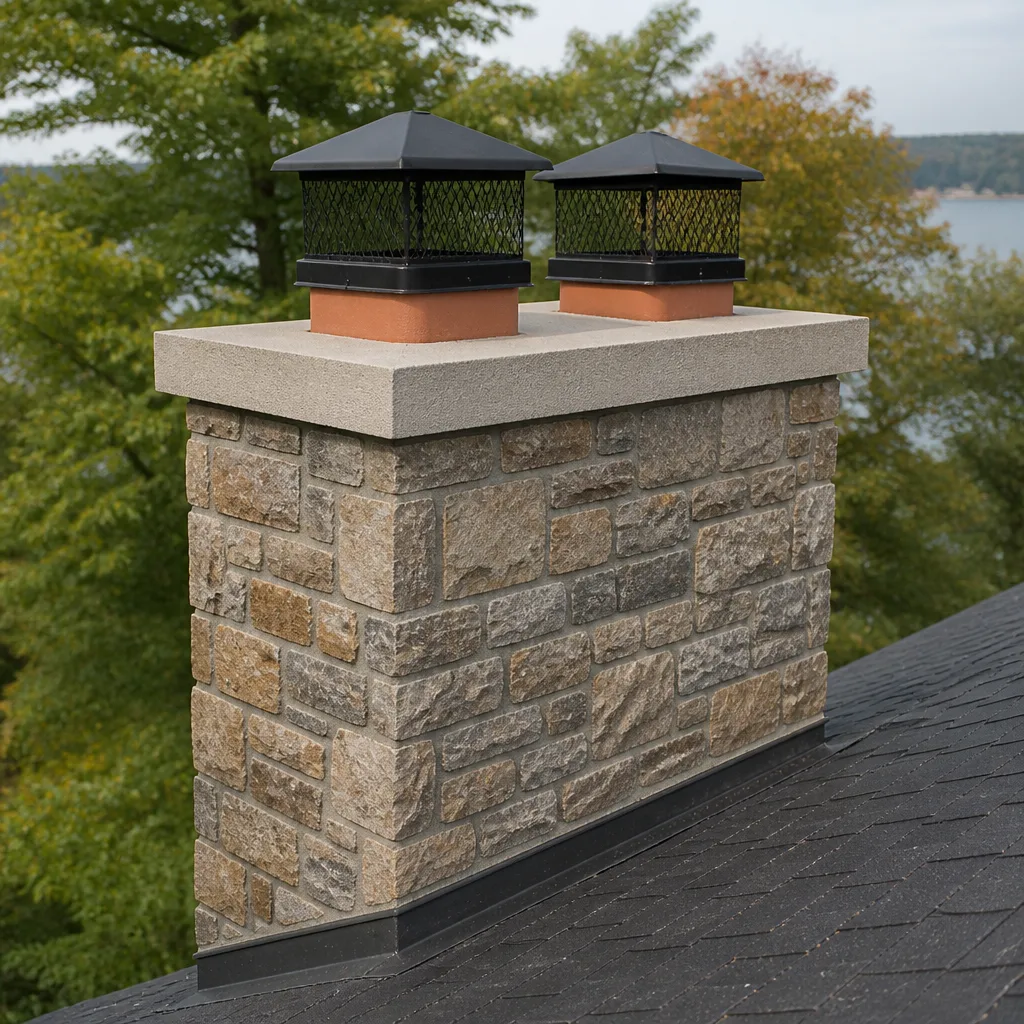 Caps & crowns
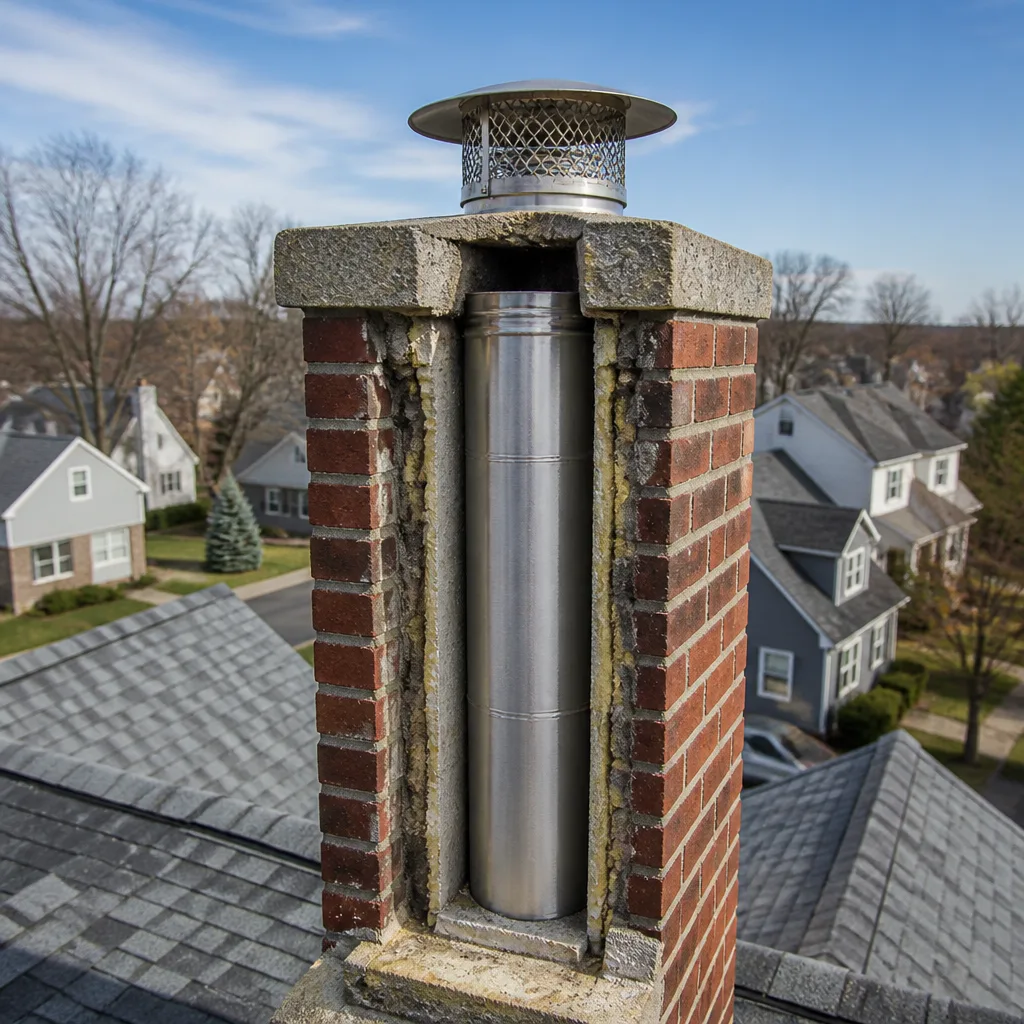 Flue relining
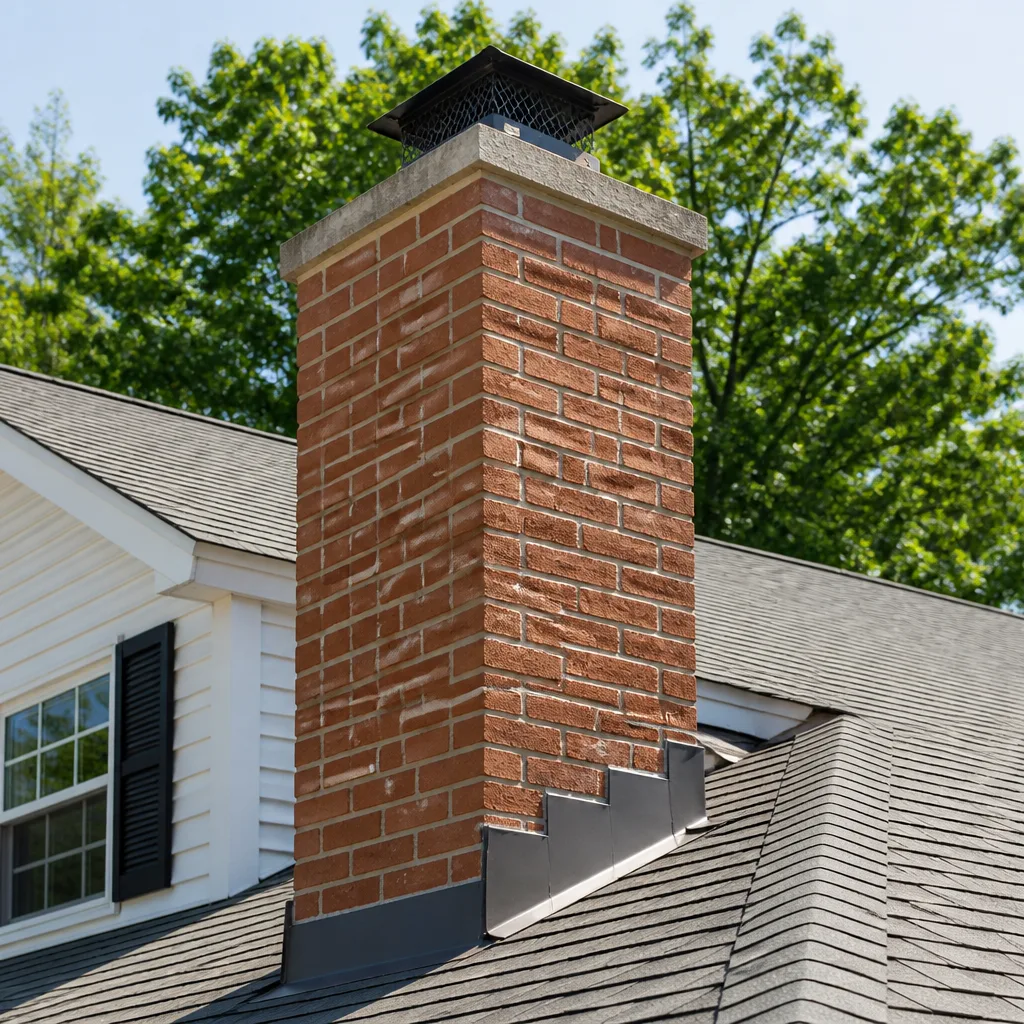 Masonry repair
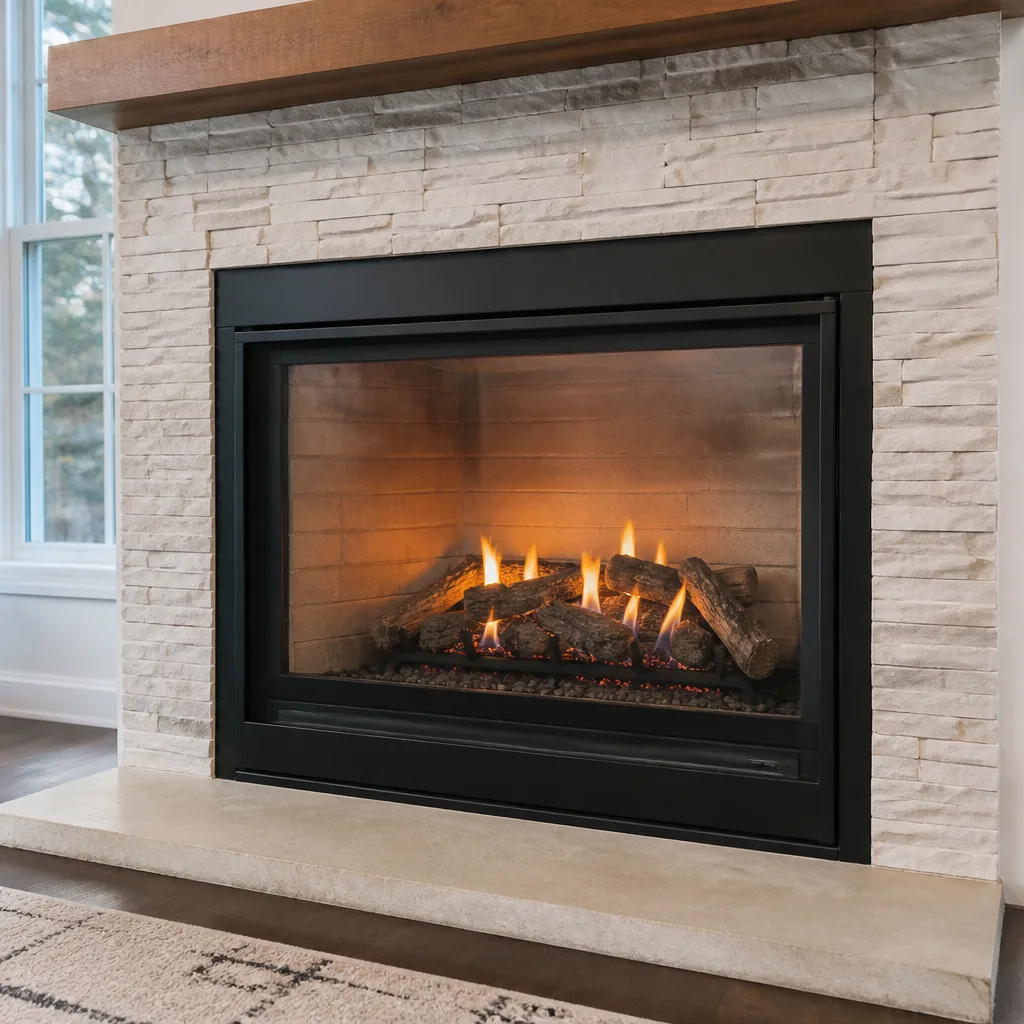 Gas fireplace service
Level 1 sweep and inspection to the NFPA 211 annual standard - flue, crown, cap, and flashing checked and photographed
Chimney sweep logs do not sweep chimneys. They loosen some creosote - which then falls where a brush and vacuum still have to collect it.
DIY vs Professional Chimney Cleaning: The Chandler Homeowner’s Decision Guide
The chimney brushes sold at big-box stores are sized for standard masonry flues, and the tutorials that show you how to use them were mostly filmed in New England colonials with tall brick chimneys. If your Chandler home was built after 1990, there’s a decent chance you don’t have that kind of chimney. Most homes here have a prefab fireplace with a factory-built liner, and those need a different tool entirely. Use the wrong brush on a factory liner and you can score the metal you were trying to protect. This guide walks you through where DIY chimney cleaning genuinely works, where it doesn’t, and what the difference looks like in a Chandler house.
Quick Answer
DIY chimney cleaning is reasonable for a lightly used, standard masonry flue with no known problems, provided you own the right brushes and can safely reach the roof. For most Chandler homes, it isn’t the safer or cheaper choice, because prefab fireplaces with factory liners need specialty tooling and every cleaning should come with a visual inspection you can’t do from the ground. A professional sweep combines cleaning with inspection, creosote staging, and liner assessment, and that trio is what actually protects your home.
Styles & brands we work with
- Sweep & inspection
- Caps & crowns
- Flue relining
- Masonry repair
- Gas fireplace service
Table of Contents
- What kind of chimney does your Chandler home actually have?
- When is DIY chimney cleaning genuinely reasonable?
- When is DIY chimney cleaning a bad idea?
- What equipment do you actually need to clean a chimney yourself?
- What can’t DIY cleaning do? Three things a brush can’t tell you
- Why Chandler roof access makes DIY riskier than the tutorials suggest
- What to do between professional cleanings (and what to leave alone)
- Monsoon season, gas inserts, and Chandler’s irregular burn patterns
What kind of chimney does your Chandler home actually have?
Before you decide whether to clean it yourself, identify what you’re dealing with. Chandler’s housing stock spans several eras, and each one has a different chimney inside. The age of your home is usually the fastest clue.
- Built before the mid-1980s: likely a masonry chimney with a clay tile flue liner. Brushable with standard tools, though cracked tiles are common in older builds.
- Built late 1980s into the 2000s: many are prefab fireplaces with a factory-built metal liner. These have specific brush requirements, and a stiff poly brush is usually the correct choice, never a wire brush.
- Gas insert or gas log set: the flue may be smaller and the residue entirely different from wood, which means the brush and the cleaning method change.
- Newer builds: often have a direct-vent system or a sealed combustion setup that shouldn’t be brushed the same way a wood-burning flue is.
You’ll usually find a data plate on the fireplace frame or inside the firebox that identifies the model. That plate tells you what kind of liner the factory installed, and it’s the starting point for deciding if DIY is even an option. Our technicians have up to 12 years of experience working with both masonry and prefab systems, and we start every job with the same question: what’s actually in the wall? For a chimney sweep, that identification happens first, before any brush is picked.
When is DIY chimney cleaning genuinely reasonable?
We’re not going to tell you that every homeowner must call a pro every time. There are real situations where a homeowner with the right gear and a safe roof can do a light cleaning and save the call. Here’s the honest short list.
- You have a standard masonry flue with no suspected damage. If your home predates the prefab era, your flue is clay tile inside brick, and a correctly sized poly brush on the right rods will do the job.
- You burn a cord or less per year and sweep in summer. A light-use flue with dry, well-seasoned wood produces far less creosote than the smoky, wet-wood burn some homes generate. A light, annual cleaning is a reasonable starting point.
- You can see and safely access the full chimney top and bottom. That means a stable flat roof or a hired ladder setup, a harness if you’re not comfortable, and a second person on the ground. If any of those are missing, this is not a job to attempt.
- You’re doing a between-cleanings touch-up, not a full-service treatment. Clearing a light dusting of soot and ash after a season of casual burns fits a homeowner who knows what they’re doing.
- You’ve had a professional inspection recently and know the liner is sound. DIY cleaning on an inspected, healthy flue is much safer than DIY cleaning on an unknown one.
If you can’t confirm all of those conditions, treat the flue as a professional job. That’s not a sales pitch. It’s what the fire code and the risk math actually support.
When is DIY chimney cleaning a bad idea?
Some situations take DIY off the table entirely. If any of these apply, don’t clean it yourself.
- You don’t know your liner type. A wire or stiff brush on a factory liner can damage the metal shell. On old clay tiles, the wrong brush can crack a tile you didn’t know was already brittle.
- There’s visible creosote buildup that looks like tar or glaze. Stage 3 creosote is a chimney fire waiting to happen. It has to be chemically treated or removed with rotary equipment, and a homeowner brush isn’t going to do it.
- The fireplace is enclosed or a gas insert. The venting is a sealed system. You’ll need a pro who knows how to clean it without disturbing the integrity of the appliance.
- You see rust, soot trails, or water staining on the exterior. Those are signs of deeper water intrusion or liner damage, and cleaning won’t fix them.
- The roof pitch is flat or very low with no fall protection. This is a real issue in Chandler, and we’ll cover it below.
- You’ve had a chimney fire. After any chimney fire, no matter how small, the flue needs professional assessment before the next burn.
If you can’t tell which category you’re in, that’s the answer: call someone who can. We do exactly this kind of assessment, and there’s no fee if the outcome is “your flue is fine, you don’t need anything.” On any job, we diagnose first, then clean, then repair if needed, so you’re never handed off to someone else mid-job.
What equipment do you actually need to clean a chimney yourself?
The stripped-down version of chimney cleaning tools sold in big-box kits is not enough. If you’re going to do this, do it with the same equipment list a professional keeps on hand.
- Poly brushes in the correct size for your flue. Round, firm, with the correct diameter. A brush that’s too small leaves creosote behind; a brush that’s too big can jam.
- Flexible rods. Longer than you think you need. For an average Chandler single-story flue, that’s often 15 to 20 feet of rod.
- A HEPA vacuum rated for soot. Standard shop vacs blow fine soot into the room. A HEPA-rated unit or a chimney-specific HEPA vac is the right tool.
- Drop cloths and plastic sheeting. Seal the firebox opening with tape and plastic before you start. A dust escape will cost you hours of cleaning.
- Safety glasses, an N95 or better respirator, and gloves. Soot is fine and it gets everywhere. Protect your lungs and eyes.
- A flashlight with a tight beam and a mirror. For inspecting what you can reach before and after cleaning.
- Roof access equipment: a stable ladder, roof boots, and a harness if your roof isn’t flat. Never climb a roof you’re not comfortable on.
- A camera. Take photos before and after, top and bottom. This is how you document what you did, and it’s also how you spot changes between cleanings.
That’s roughly $200 to $400 in equipment if you buy it all new, and you’ll use it once or twice a year. That’s the real cost comparison against a professional sweep. On top of the gear, the professional brings liners, caps, and resurfacing materials from brands like HeatShield, Gelco, and Olympia Chimney, plus Famco venting components. If your cleaning turns up a problem, the pro can fix it; you can’t. The right materials, installed correctly, are what separates a cleaning from a proper maintenance visit.
What can’t DIY cleaning do? Three things a brush can’t tell you
Cleaning is only half of what a chimney visit is. The other half, the part a homeowner can’t replicate from a step ladder with a flashlight, is the assessment. Three things separate a clean flue from a safe one.
- A proper visual inspection. A sweep-trained eye can spot flue tile cracks, gaps in the mortar at the smoke chamber, misaligned sections, bird nests in the cap, and signs of water intrusion from places no homeowner thinks to look. Your flashlight shows you the inside of the flue from one angle. A professional inspects from multiple angles, plus the exterior chimney and the firebox throat.
- Creosote stage identification. Creosote goes from fluffy (stage 1, brushable) to crusty (stage 2, still removable with the right tools) to glazed and tarry (stage 3, requires professional treatment). Homeowners almost universally under-stage their creosote, and treating stage 3 as stage 1 is how chimney fires start.
- Liner integrity. The liner is the part that keeps combustion gases out of your home’s framing. A cracked clay tile, a separated factory liner joint, or a corroded metal section is invisible from the firebox. A camera inspection and a trained eye see it; a brush does not.
That’s the real reason professional cleaning is more than a cleaning. It’s a safety check with a maintenance service attached. When we clean, we inspect. When we find a problem, we can address it. HeatShield resurfacing is available when a chimney flue needs structural restoration rather than just a scrub, and DuraFlex liners are what we reach for when a factory liner has reached the end of its life. Those aren’t options a brush can offer.
Why Chandler roof access makes DIY riskier than the tutorials suggest
The videos most homeowners watch before trying this themselves were filmed on steep New England roofs where the pitch looks scary but actually grips. Chandler is the opposite. Many homes here have flat or very low-slope roofs, and that changes the safety equation in ways people don’t expect.
Flat roofs in Chandler get two things in abundance: sun-baked membrane that can be slick, and a fine layer of desert dust that acts like ball bearings under a shoe. Add the fact that many of these homes have parapet walls you have to get over to reach the chimney, and the roof becomes the most dangerous part of the job. There’s no ridge to hold, no shingle course to dig a boot into, and often no obvious anchor point for a harness. If you slip, there’s usually nothing between you and the ground.
Low-slope roofs on Chandler two-story homes are the worst combination: you’re eight to twelve feet up on a surface that doesn’t grip, next to a chimney that’s flush with the wall. Professional sweeps work these roofs regularly and use roof mats, edge anchors, and harnesses designed for the setup. A homeowner doing it once a year is doing it with none of that. The risk isn’t the chimney; it’s the thirty seconds it takes to get a brush to the top.
If you have a flat or low-slope roof and you’re not already confident working on it, hire the cleaning. That’s not caution; it’s basic math. For the full picture on how we handle local roof setups, see our Chandler service page.
What to do between professional cleanings (and what to leave alone)
The good news is that the highest-value maintenance between professional visits is stuff you can absolutely do yourself. Here’s the split.
Safe to do yourself:
- Burn dry, seasoned firewood. Wet wood is the number one cause of heavy creosote.
- Keep the firebox clear of ash buildup, but leave an inch of ash as a bed for the next fire.
- Check the chimney cap from the ground. If it’s loose, cracked, or missing, call for a fix before the next burn.
- Open the damper fully before lighting and leave it open until the fire is completely out.
- Watch for smoke rolling back into the room. That’s a draft problem, and it should be checked.
- Look at the exterior for rust streaks, soot trails, or missing mortar once a season.
Leave alone:
- Anything inside the flue above the damper.
- The firebox mortar and the damper assembly.
- The chimney cap or crown.
- Any gas insert or prefab fireplace interior.
- Any crack or gap you find during a walk-around. Don’t caulk it; have it assessed.
Most Chandler homes fall into a 12- to 24-month cleaning interval if the fireplace gets regular but moderate use. Homes burning daily in winter or using green wood need annual cleaning, sometimes sooner. Your dryer vent is a separate story, and it’s worth its own annual cleaning because lint buildup is one of the leading causes of residential fires. That’s why we treat dryer vent cleaning as a standalone service, not a side job added to a chimney visit.
Monsoon season, gas inserts, and Chandler’s irregular burn patterns
Chandler’s climate creates a couple of quirks that most chimney advice ignores because it’s written for cold-winter climates. Get these right and you’ll extend the life of your system.
Monsoon season and water intrusion. Our summer storms are short but intense, and they drive water sideways into chimneys. A missing or loose cap is the fastest way for water to get into a flue, and water on masonry means spalling tiles, rusting dampers, and degrading liner joints. Check the cap after every monsoon season. If you have a masonry chimney and the crown has visible cracks, that’s a professional repair, not a caulk-and-pray situation.
Gas inserts and fireplaces. A significant number of Chandler homes have gas inserts, gas log sets, or gas fireplaces as the primary heat source in the winter. These don’t produce wood creosote, but they do produce a different residue, and their venting is smaller and more sensitive. A brush sized for a wood flue is the wrong tool. On top of that, a gas unit’s flue should be checked for obstructed venting and carbon monoxide risk, and that check is not DIY-suitable. A sealed gas appliance is one of the cases where the only correct answer is “call a pro.”
Irregular burn patterns. Many Chandler households burn intensely for a week during a cold snap and then not at all for two months. That on-off pattern is harder on the flue than steady seasonal use, and it makes creosote harder to predict. If your burning looks like this, a professional inspection every other year is a wise baseline.
Our technicians have up to 12 years of experience across all of these systems, and we’ve seen enough monsoon-damaged caps and misdiagnosed gas inserts to know that not every “cleaning” is really a cleaning job. Sometimes it’s a repair. Sometimes it’s a replacement. Sometimes it’s genuinely nothing. We’d rather tell you the truth than sell you a service you don’t need.
Common Mistakes to Avoid
- Buying the cheapest brush kit at the big-box store. Those brushes are one size, and your flue isn’t. Wrong-size brushes either leave creosote behind or damage the liner.
- Using a wire brush on a factory-built liner. It scores the metal and shortens the liner’s life. Poly brushes only.
- Cleaning from the bottom only. Bottom-up cleaning works for a touch-up, but it doesn’t clean the top of the flue or the cap, where creosote concentrates.
- Assuming “it looks clean” means it’s safe. A flue can look clean from the firebox and have cracked tiles or a separated liner joint higher up. You can’t see the problem from where you’re standing.
- Ignoring the monsoon cap check. Water intrusion in Chandler is one of the top causes of premature chimney damage. A loose cap after a storm is easy to spot and easy to fix.
- Cleaning a gas insert yourself. Sealed venting is not a DIY project, and the risk is carbon monoxide, not just soot.
- Skipping the professional inspection because you cleaned it yourself. Cleaning and inspection are separate steps, and the inspection is the one that catches problems before they become expensive repairs.
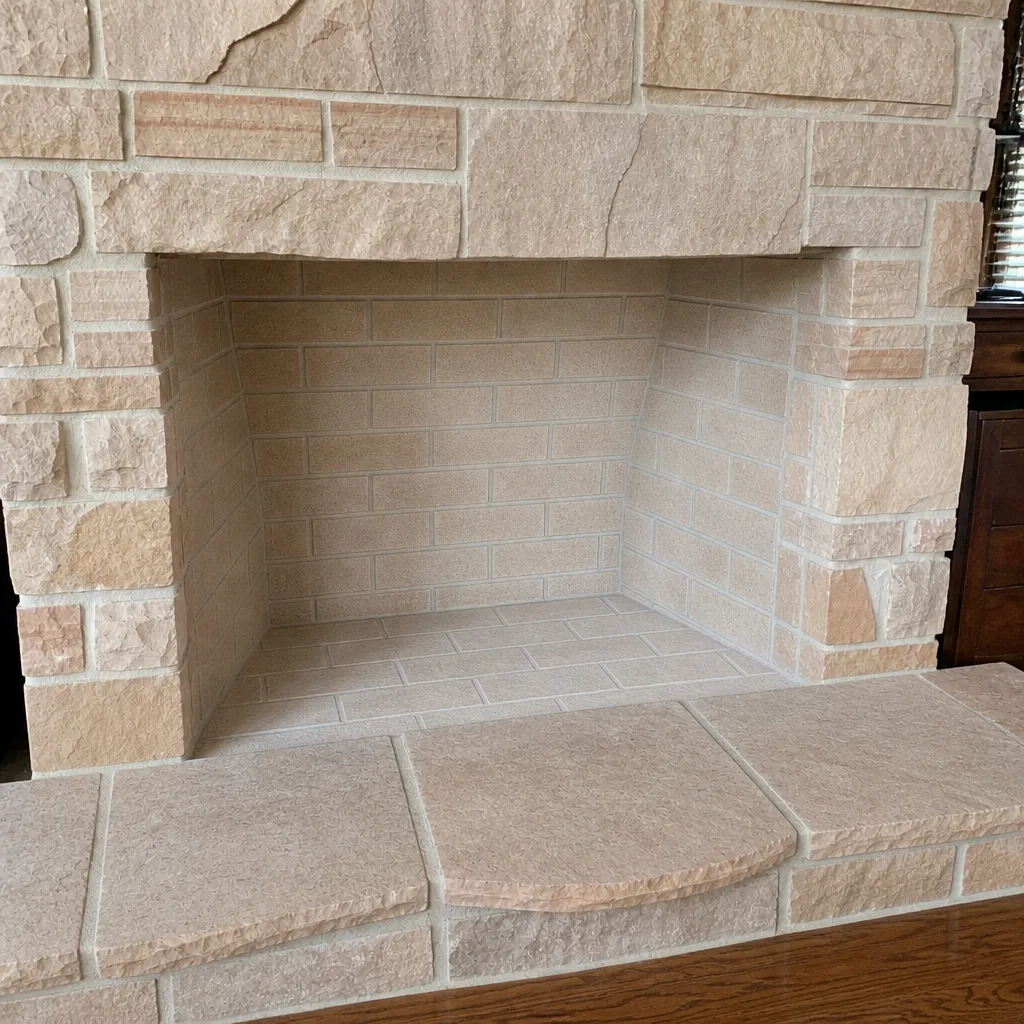
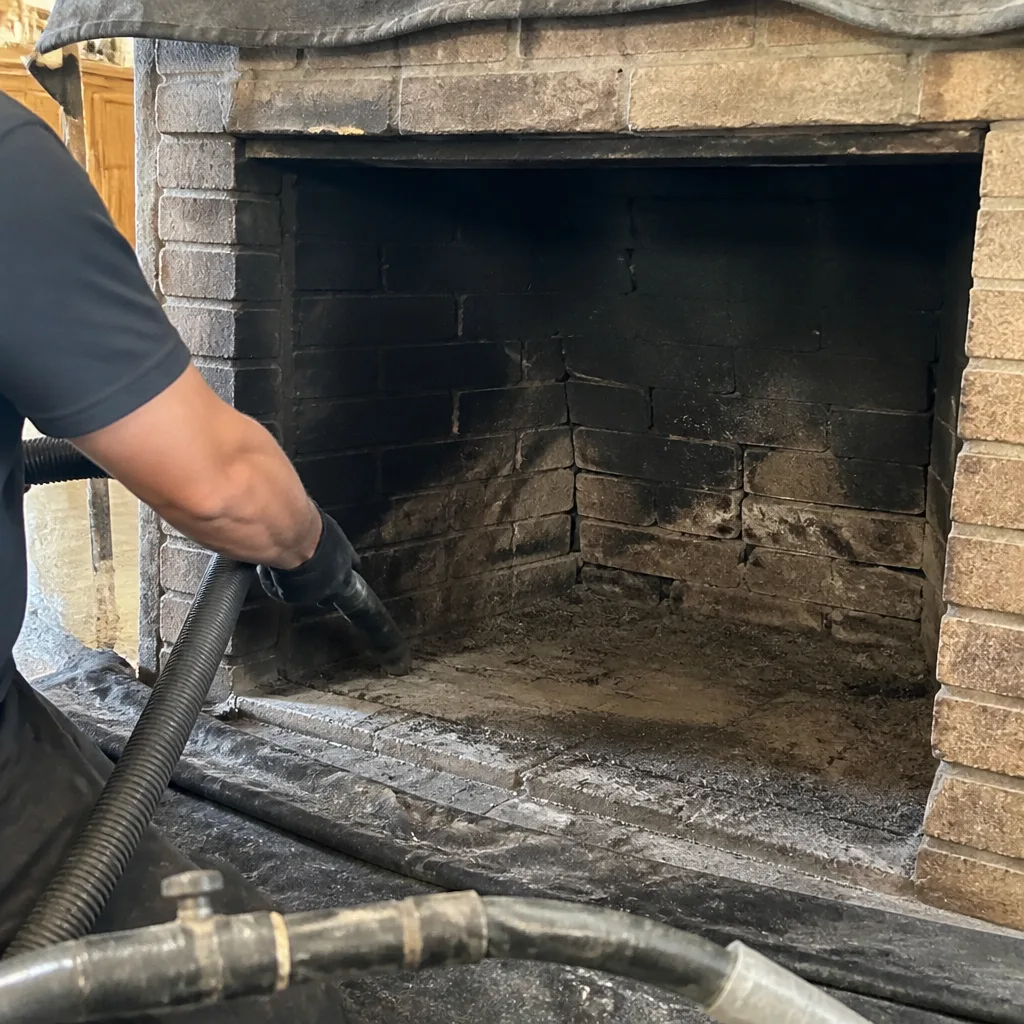
See the difference
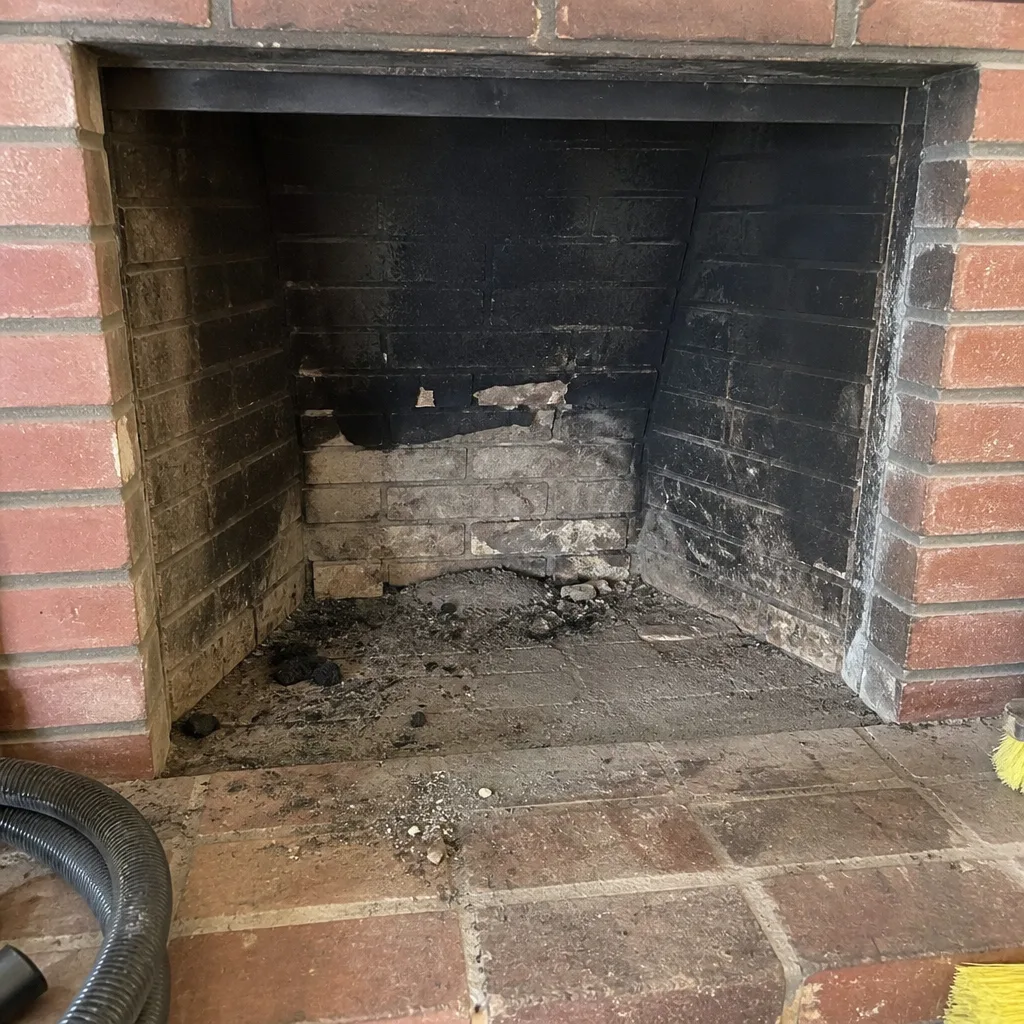 Before
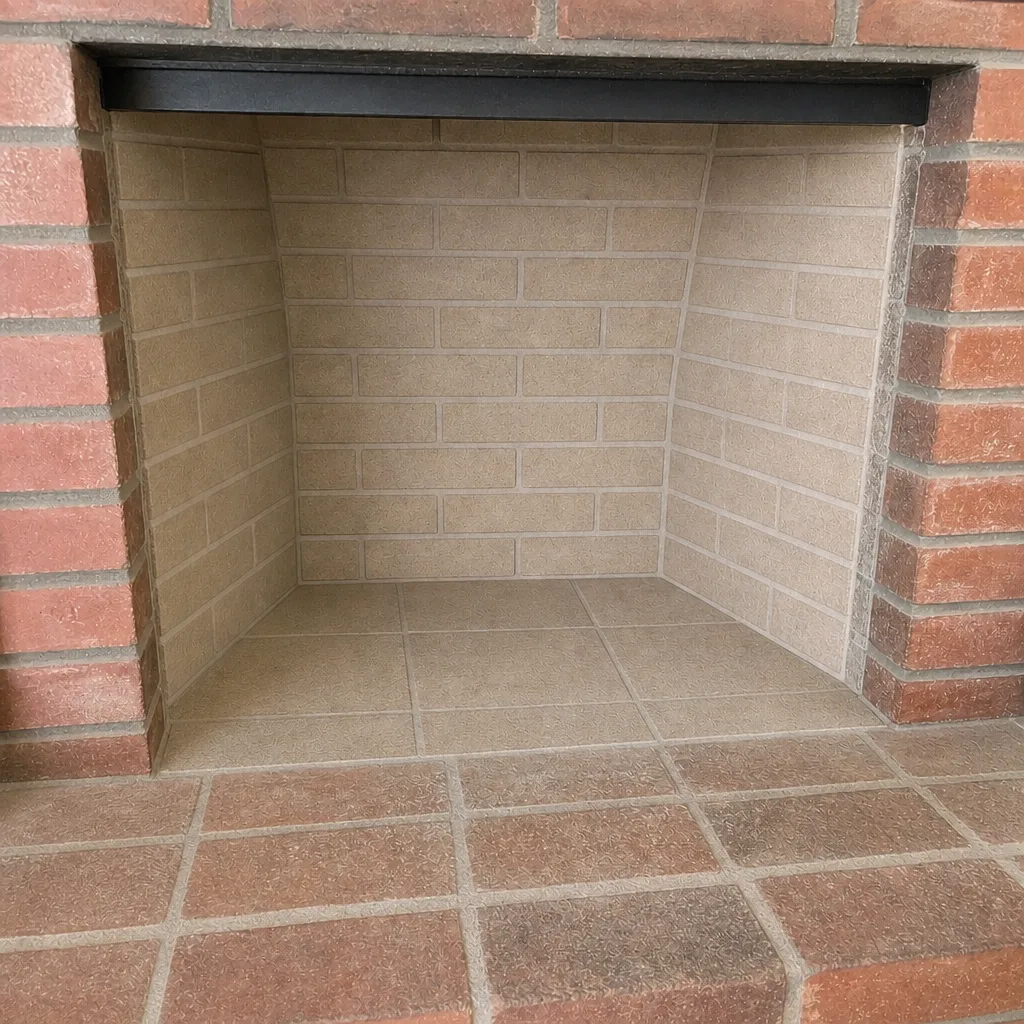 After
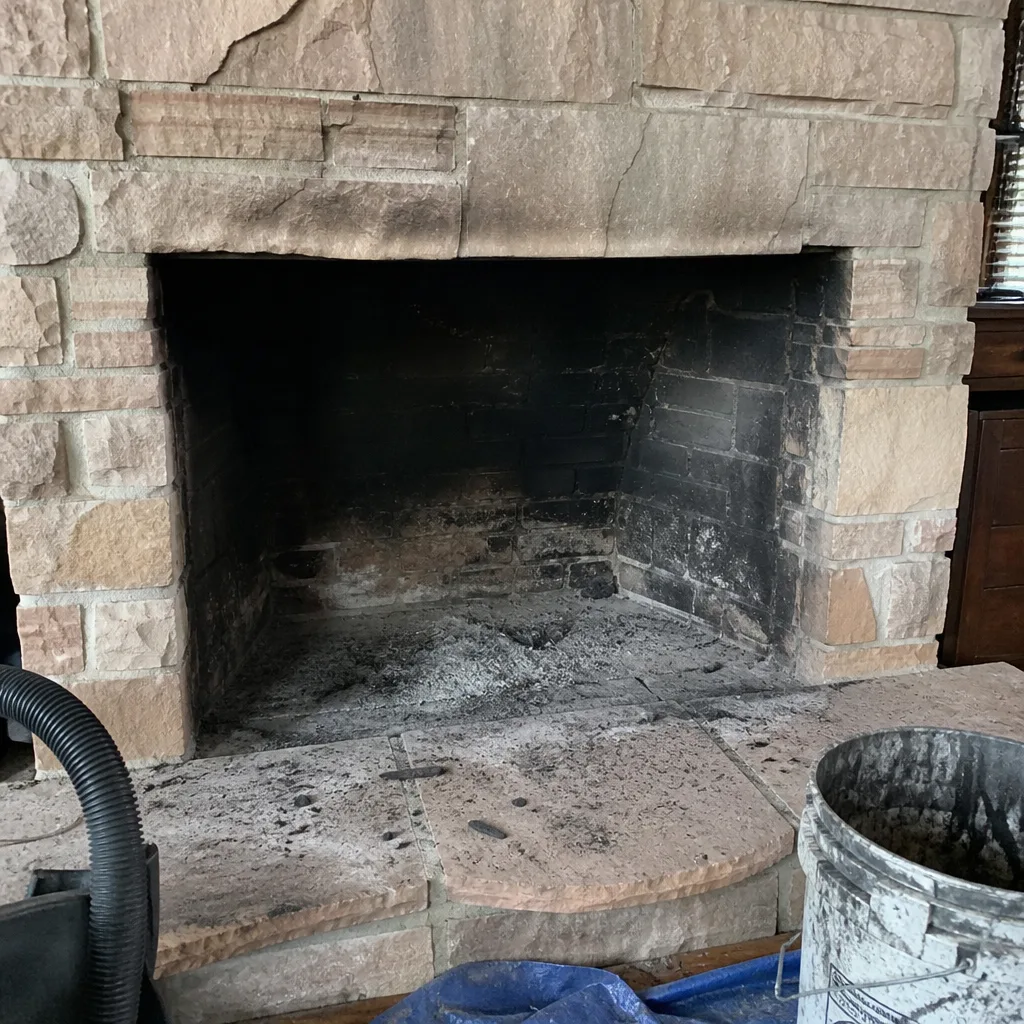 Before
 After
 Before
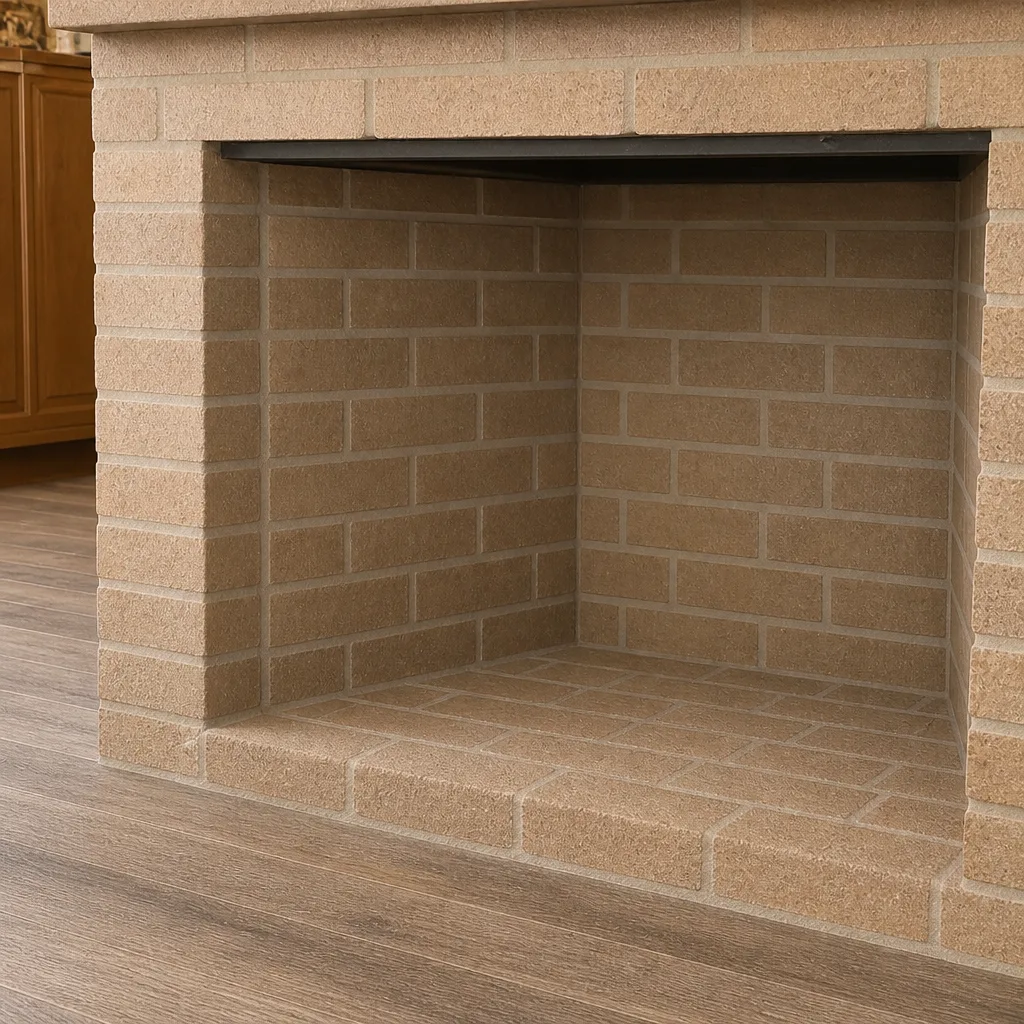 After
When to Call a Professional
Call a professional if any of the following is true: you’re not sure what kind of flue you have, the roof is flat or low-slope, there’s a gas insert or an enclosed fireplace, you’ve had a chimney fire, you see heavy or glazed creosote, the cap or crown is damaged, or you want the cleaning to come with an inspection you can trust. In our experience, those situations cover the majority of Chandler homes. Chandler Chimney Sweep offers free estimates in Chandler and across the East Valley. Call (855) 664-1862. We answer 24/7. Fast dispatch from 7am to 7pm, Sunday through Friday. The estimate is free, and you’ll get a written price before any work begins.
Frequently Asked Questions
It can be safe in a standard masonry flue with no known issues, the right brushes, and a safe roof, but those conditions are the exception in Chandler, where many homes have prefab fireplaces and flat or low-slope roofs. The main danger isn’t the cleaning itself; it’s the roof access and the risk of missing a hidden liner problem. If you can’t confirm all three conditions, treat it as a professional job.
Most Chandler homes need a cleaning every 12 to 24 months, with annual cleaning for homes that burn daily in winter or burn wet wood. Gas inserts and gas fireplaces follow a different schedule based on manufacturer specs and annual inspection. A professional can set a realistic interval for your specific setup after the first visit.
Not safely, in most cases. Prefab fireplaces have a factory-built metal liner that needs a specifically sized poly brush, and any damage you cause is expensive to reverse. Most Chandler homes built after 1990 have some form of prefab or direct-vent system, so this applies widely. A professional sweep is the safer call for these units.
Stage 1 is fluffy, easily brushed soot. Stage 2 is crusty and harder to remove but still brushable with the right tools. Stage 3 is glazed and tarry, and it’s the dangerous one because it can ignite. You can’t reliably tell stage 2 from stage 3 with a flashlight from below; that’s a job for an experienced eye, and treating stage 3 like stage 1 is how chimney fires start.
Creosote builds up in the flue, and at stage 3 it can fuel a chimney fire that damages the liner and can spread into the home’s structure. Beyond fire risk, a blocked or damaged flue can let carbon monoxide back into the living space, which is especially concerning with gas appliances. Skipping cleaning doesn’t just risk the chimney; it risks the house.
Yes. Cleaning and inspection are separate services, and the inspection is the one that catches cracked liners, misaligned joints, and stage 3 creosote you might have missed. A cleaning without inspection is an incomplete maintenance visit. That’s why we treat the two as one service, and why every cleaning we do comes with a visual inspection of the flue.
The Bottom Line
DIY chimney cleaning isn’t inherently wrong. It’s just less often the right call in Chandler than it is in colder climates, because prefab liners, gas inserts, flat roofs, and monsoon-driven water intrusion all raise the risk. Do it yourself if you have a standard masonry flue, the right gear, a safe roof, and a recent professional inspection. Call a pro for everything else, especially if you’re unsure what kind of flue you have or anything on the roof makes you hesitate. A clean flue is a safe flue, and knowing yours is both is worth a short phone call.
Chandler Chimney Sweep offers free estimates, written pricing before work starts, and full-service chimney work from one qualified contractor. Call (855) 664-1862 for your free estimate. We answer 24/7. Fast dispatch from 7am to 7pm, Sunday through Friday.
To learn more about how we approach Chandler Chimney Sweep standards and the chimney cleaning services we offer across the East Valley, reach out any time.
Written by the team at Chandler Chimney Sweep.