
Last updated November 15, 2026
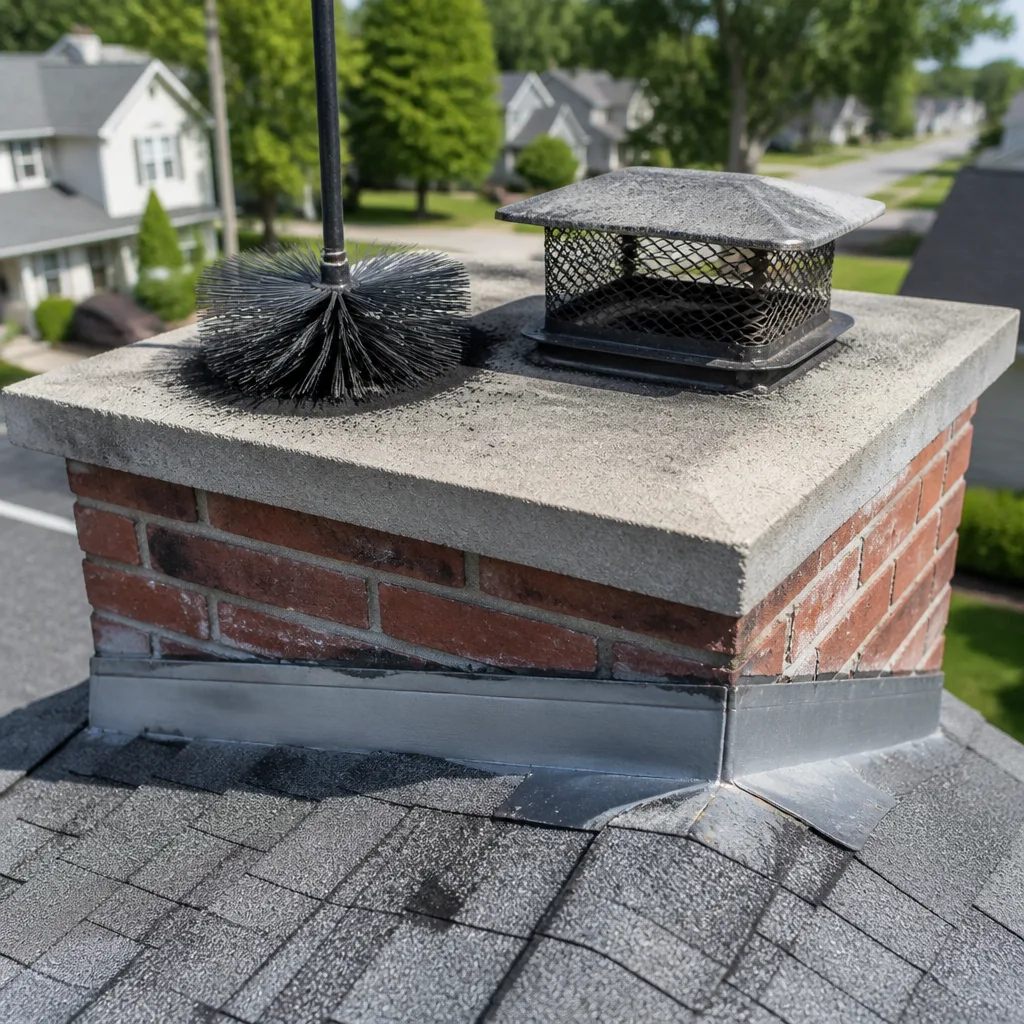 Sweep & inspection
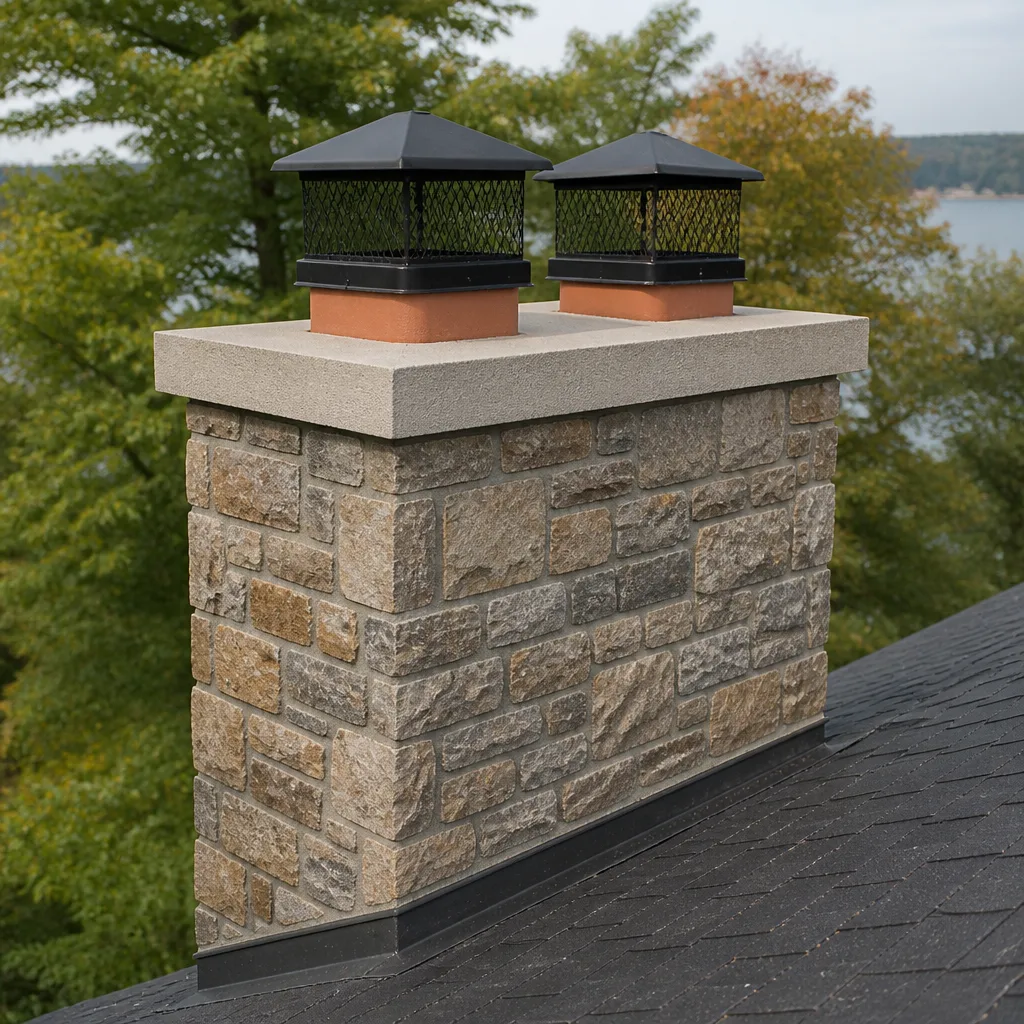 Caps & crowns
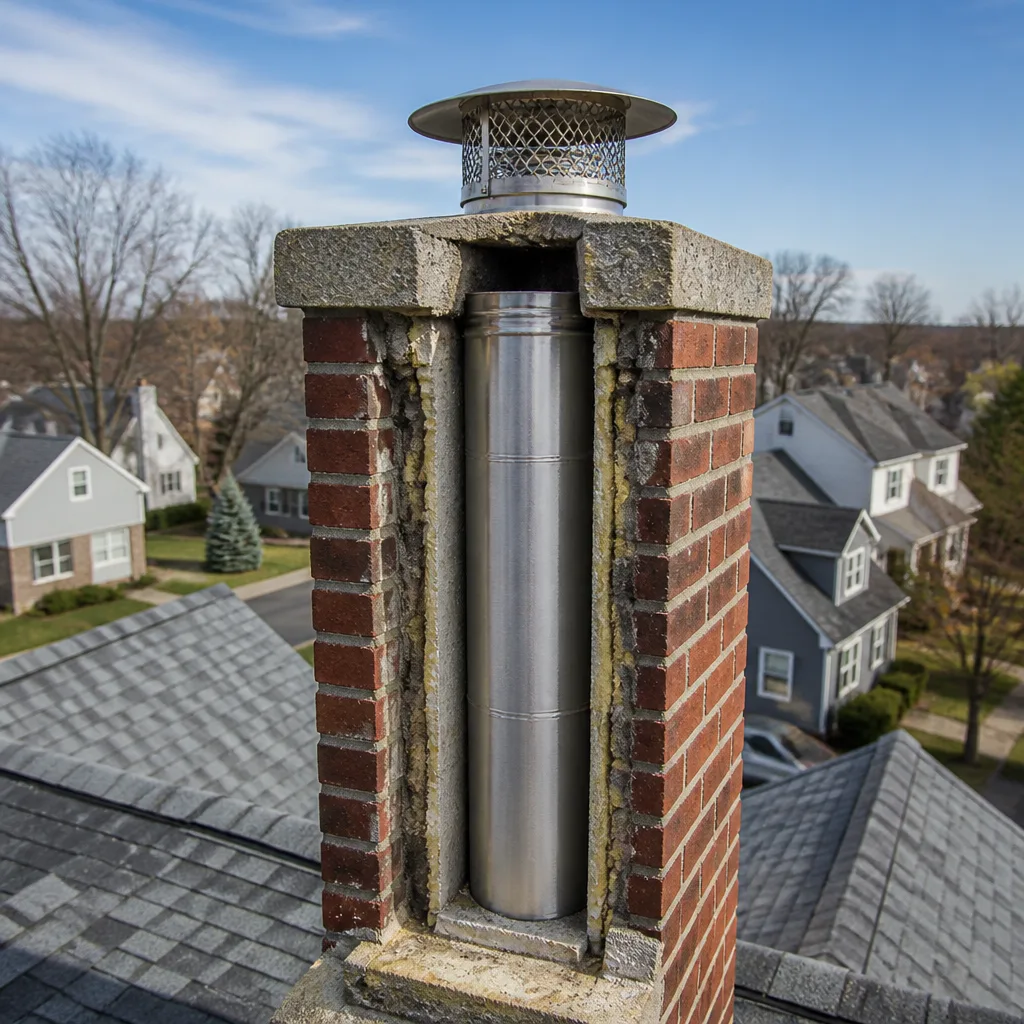 Flue relining
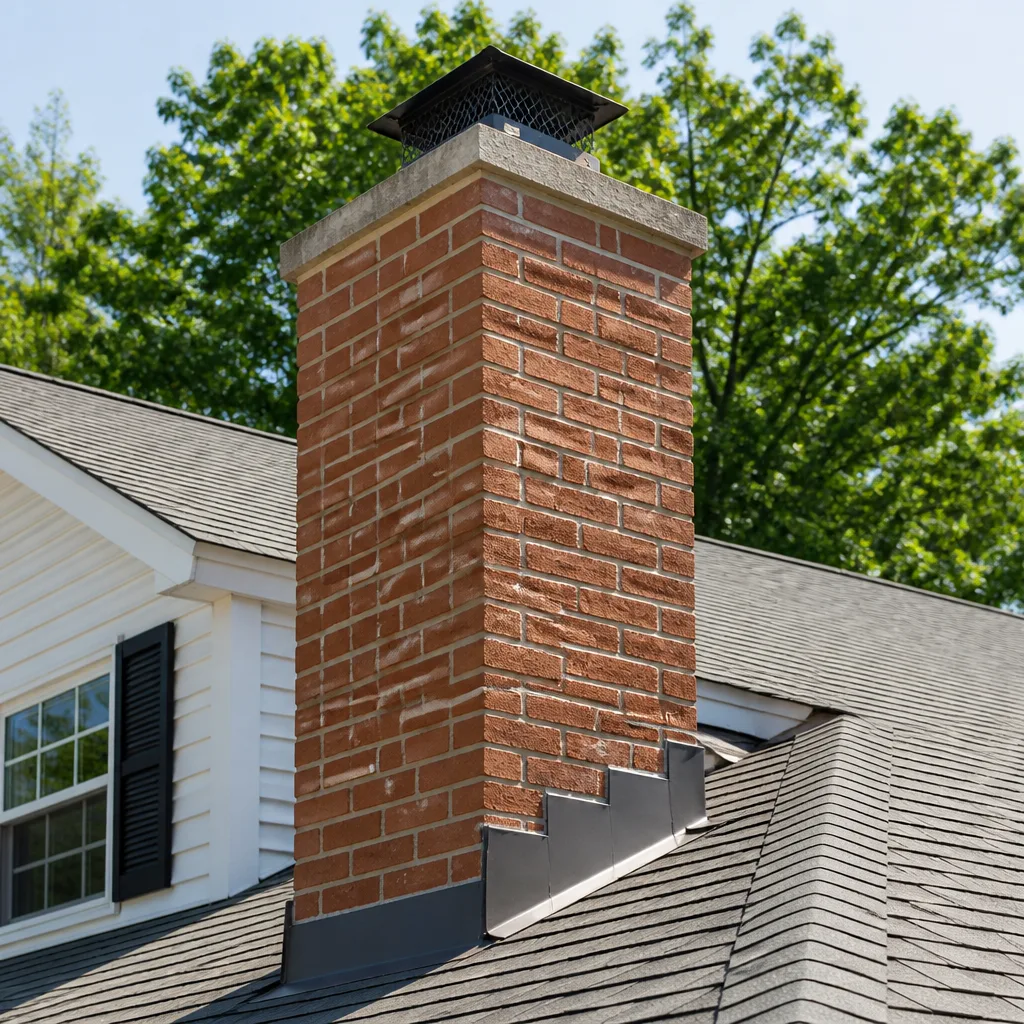 Masonry repair
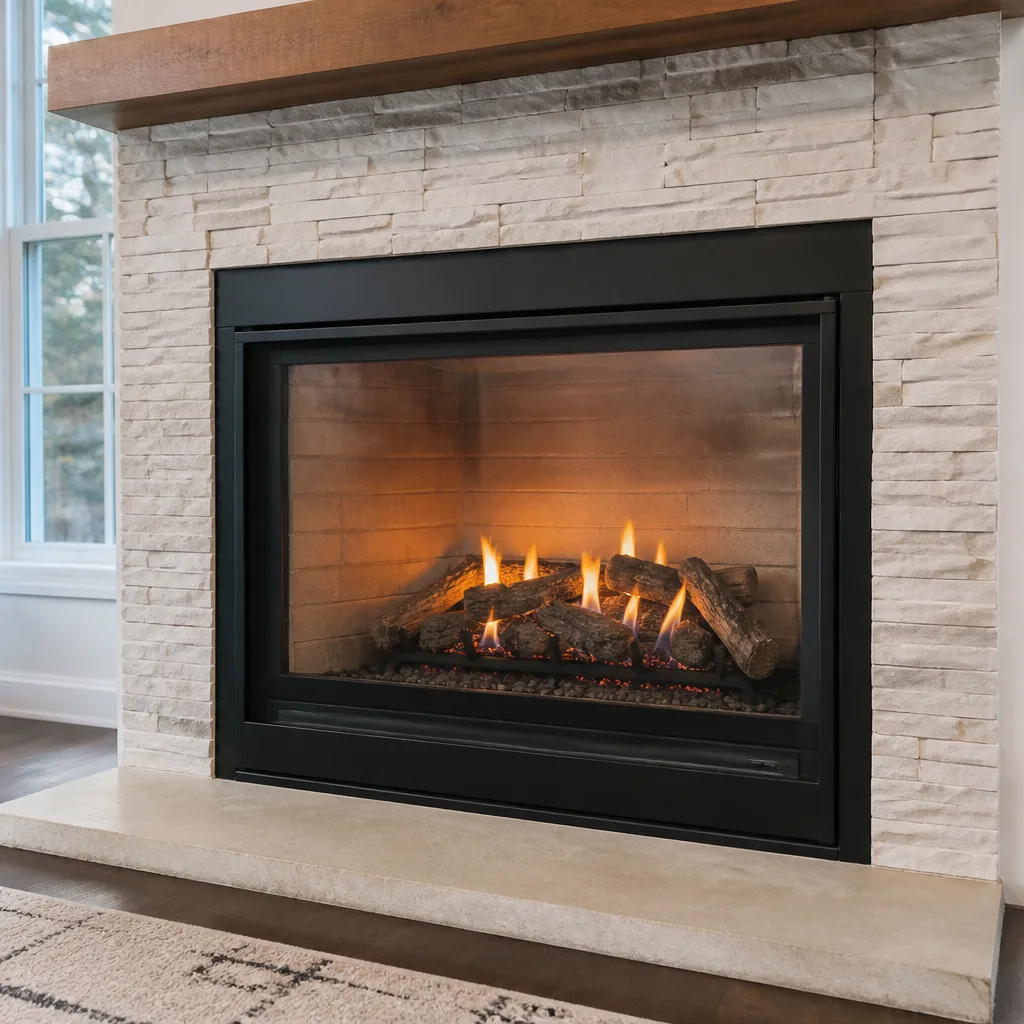 Gas fireplace service
Level 1 sweep and inspection to the NFPA 211 annual standard - flue, crown, cap, and flashing checked and photographed
Chimney sweep logs do not sweep chimneys. They loosen some creosote - which then falls where a brush and vacuum still have to collect it.
The Complete Guide to Chimney Cleaning in Chandler
Most Chandler homeowners light their wood-burning fireplace fewer than ten times a year. That sounds harmless, and it’s the reason a lot of fireplaces here go a decade or more without a sweep. But low-use fireplaces don’t stay clean just because they sit idle. The creosote that builds up from occasional smoldering fires, especially in a cool desert evening when the flue is slow to warm, cures into a hard, glazed layer that a standard brush passes right over. This guide walks through what chimney cleaning in Chandler actually involves: how the local climate changes creosote behavior, why gas log inserts need a different kind of attention, what stucco and block construction means for your chimney’s exterior, and how to tell a real inspection from a glance up the flue. If you’ve never had your chimney looked at, this is the place to start.
Quick Answer
Chimney cleaning in Chandler means removing soot, creosote, and debris from the flue and firebox, then inspecting the liner, crown, cap, and masonry for damage. Because fireplaces here see infrequent use and the desert air swings between dry heat and monsoon moisture, the buildup that does form tends to be harder and more glazed than in cold-climate homes, so a proper sweep matters even for a fireplace you barely use. Most homes need a sweep and a Level 1 or Level 2 inspection roughly once a year, and a camera inspection is the only reliable way to know for certain.
Styles & brands we work with
- Sweep & inspection
- Caps & crowns
- Flue relining
- Masonry repair
- Gas fireplace service
Table of Contents
- Why Low-Use Fireplaces in Chandler Build Up Sticky Creosote
- Gas Log Inserts vs. Wood-Burning: What a Cleaning Actually Involves
- Stucco and Block Construction: What It Means for Your Crown and Cap
- Level 1, 2, and 3 Inspections Explained for Chandler Homeowners
- Monsoon Season and Your Chimney Liner: The Threat Most People Miss
- How Much Does a Chimney Sweep Cost in Chandler?
- What Happens During a Professional Chimney Cleaning
- Dryer Vent Cleaning: The Other Hidden Fire Risk in Your Home
Why Low-Use Fireplaces in Chandler Build Up Sticky Creosote
Creosote is the residue left behind when wood burns incompletely. It starts as a light, flaky soot and hardens over time into three recognizable stages: Stage 1 is soft and brushable, Stage 2 is crusty and more stubborn, and Stage 3 is a glazed, tar-like coating that bonds to the liner. Cold-climate guides assume frequent fires produce steady buildup that gets brushed away regularly. Chandler is the opposite case. A fireplace used a handful of times a year, usually on a chilly winter evening, tends to produce smoldering, low-oxygen fires that generate more creosote per burn than a hot, well-drafted fire would. Those infrequent burns cool quickly against a cold flue and leave behind a sticky film that dries into Stage 2 or Stage 3 far faster than most homeowners expect.
There are a few practical reasons this matters in Chandler specifically:
- Cold flue on first light. Desert evenings drop fast, so the flue is often cold when a fire starts. A cold flue drafts poorly, the fire smolders, and the smoke lingers long enough to deposit more creosote on the liner walls.
- Seasonal gaps. A fireplace that sits six or eight months between fires gives the residue plenty of time to cure and harden before anyone thinks to clean it.
- Mixed fuel habits. Burning scrap wood, construction lumber, or unseasoned firewood adds moisture and impurities that speed creosote formation.
- Gas-heavy inventory. Even homes with a wood-burning fireplace often have gas logs installed, so the wood box is rarely used and stays shut up for long stretches.
Stage 2 creosote can usually be removed with the right mechanical tools and technique. Stage 3 often needs chemical treatment or, in severe cases, liner replacement, and it’s the stage most associated with chimney fires. That’s why a low-use fireplace is not automatically a safe fireplace. The question isn’t how many fires you’ve had; it’s what the liner looks like when a camera goes down.
Gas Log Inserts vs. Wood-Burning: What a Cleaning Actually Involves
Gas log inserts are common in Chandler homes, and they change what a “cleaning” actually means. A gas appliance doesn’t produce creosote the way wood does, but it does produce condensation, light soot, and debris from insects and dust. Gas fireplaces also need different inspection points: the burner assembly, the pilot, the venting, and the combustion air path. A wood-burning system, by contrast, needs the flue brushed, the firebox scraped, the damper checked, and the smoke shelf cleared.
Here’s how the two compare in practice:
- Wood-burning systems: Full flue sweep, firebox cleaning, damper and smoke shelf check, creosote grading, and a visual or camera inspection of the liner. Debris from outside, including nesting material, is common and needs clearing.
- Gas log inserts: Burner and log set inspection, venting check, and cleanup of soot and dust. Gas combustion produces water vapor, so a venting problem can show up as moisture damage rather than creosote. We inspect for that.
- Converted fireplaces: Many Chandler homes have a wood box with gas logs added later. These are the trickiest, because the venting requirements depend on the original wood-burning design and how the gas insert was installed.
If your fireplace is gas, a sweep isn’t the right service; you need an inspection and a cleaning of the appliance itself. When a technician confirms your system is wood-burning and due for service, we schedule a chimney sweep and go from there. We diagnose, we clean, we repair. That single-contractor framing matters with gas appliances because the person inspecting your venting should also be the one who corrects a problem, not someone who hands you off to a second company.
Stucco and Block Construction: What It Means for Your Crown and Cap
A lot of Chandler homes are built with stucco exteriors and block masonry, and that construction has real consequences for chimney maintenance. Stucco is a hard, cement-based skin that resists weather well, but it doesn’t flex. When the chimney crown, the concrete cap at the very top of the stack, develops a hairline crack, water gets behind the stucco and into the masonry. That moisture can’t easily escape in a dry climate, so it works on the mortar joints from the inside. Over time, a cracked crown becomes a cracked chimney.
The specific inspection points for stucco-and-block chimneys:
- Crown condition. Look for cracks, spalling concrete, or separation where the crown meets the stucco. A cracked crown is the single most common cause of water intrusion we find on Chandler chimneys.
- Stucco termination. The stucco should terminate cleanly at the crown, not overlap it in a way that traps water. Improper termination lets moisture pool behind the wall.
- Cap and spark arrestor. A proper cap keeps rain, birds, and debris out of the flue. Missing or damaged caps are common, and monsoon storms are the usual culprit.
- Mortar joints. Block construction shows joint deterioration clearly. Crumbling mortar means water has been getting in, usually from the crown or cap.
- Flashing at the roofline. Where the chimney meets the roof, flashing needs to be intact. Stucco doesn’t seal a roofline the way a shingle-and-fascia detail does.
Wood-frame homes in other climates often fail at the siding or trim first. Here, the chimney crown and cap usually fail first, and the stucco hides the damage until it’s serious. Resurfacing a damaged crown or flue with a ceramic system like HeatShield corrects the problem structurally, not cosmetically. We use HeatShield because it’s what professionals specify for restorative work, and it lasts where a caulk-and-paint patch won’t. The right materials, installed correctly, are what make a repair hold through another summer.
Level 1, 2, and 3 Inspections Explained for Chandler Homeowners
If you’ve ever been quoted three different inspection prices and weren’t sure what you were paying for, you’re not alone. The levels come from NFPA 211, the national standard for chimneys, fireplaces, vents, and solid-fuel appliances. They differ in scope, not just price, and knowing which one you need helps you make a real decision rather than guessing.
Level 1 Inspection
A Level 1 inspection covers the readily accessible parts of your chimney and venting: the firebox, damper, flue, and the visible portions of the exterior. It’s appropriate when your appliance is unchanged, you’re continuing to use it as you always have, and there’s no reason to suspect a problem. This is the standard annual inspection for a home with an unchanged setup.
Level 2 Inspection
A Level 2 inspection goes further and includes a camera scan of the flue, plus accessible portions of attics, crawlspaces, and the chimney exterior. It’s required under NFPA 211 after a chimney fire, after any change to the appliance or fuel type (such as adding gas logs or converting to a new insert), when a property changes hands, or when a Level 1 inspection turns up something that needs a closer look. For most Chandler homeowners buying a resale home, a Level 2 is the sensible choice, because it catches liner problems a visual check would miss.
Level 3 Inspection
A Level 3 inspection is the most involved and may require dismantling parts of the chimney or surrounding structure to reach a suspected problem. It’s reserved for situations where a Level 1 or 2 inspection has identified a serious defect that can’t be accessed otherwise. Most homeowners will never need one.
In our experience, the practical takeaway for a Chandler homeowner is this: a Level 1 is fine for a well-maintained fireplace with no changes, a Level 2 is the right choice after any change to the appliance or a home sale, and a Level 3 only comes up when there’s already a suspected serious problem. A camera inspection with a photo report is how you verify what you’re being told. Nothing should be recommended without camera evidence you can see for yourself.
Monsoon Season and Your Chimney Liner: The Threat Most People Miss
Chandler’s summer monsoon season is the most underappreciated threat to chimney liners and mortar condition, and almost no national guide mentions it. Between roughly June and September, the region sees heavy, wind-driven rain in short bursts. That rain hits a chimney differently than steady northern rain does. It arrives hard and fast, often at an angle, and it finds every weak point in the crown, cap, and flashing. A chimney that looks fine in dry weather can take on water in a single afternoon.
What happens after the water gets in is the real problem. Mortar absorbs moisture and holds it. In a dry climate the exterior dries quickly, but the masonry behind the stucco and inside the flue doesn’t, because it has no sun and no airflow. That trapped moisture attacks the liner from the outside, rusts metal liners, and softens clay tile joints. When the next fire is lit, the liner is already weakened, which is a fire risk and a carbon monoxide risk at the same time.
Signs to watch for after a monsoon storm:
- Damp or discolored patches on the ceiling or wall near the chimney.
- Water stains inside the firebox or on the smoke shelf.
- Rust on the damper or metal liner components.
- Loose or crumbling pieces of mortar on the roof or chimney cap.
- A musty smell in the firebox even when the fireplace hasn’t been used.
The fix starts with keeping water out. A sound crown, a properly installed cap, and intact flashing do more to protect your liner than anything else. When a liner has already been compromised, replacement liners from manufacturers like Olympia Chimney or DuraFlex are how the repair gets done correctly. We work with those product lines because they’re built for the venting and code requirements these homes actually have. When you notice storm damage, a Chandler homeowner’s best move is to have it inspected before the next burn season starts.
How Much Does a Chimney Sweep Cost in Chandler?
A standard chimney sweep in Chandler typically runs a set range depending on the system, the level of inspection, and how much creosote needs removing. Prices are set per job by the written estimate, so what you’re quoted is what you pay, and the estimate itself is free. Below are the typical ranges for the services we handle.
| Service | Typical Estimated Range |
|---|---|
| Standard chimney sweep (wood-burning) | $180 – $340 |
| Sweep plus Level 1 inspection | $220 – $400 |
| Level 2 inspection with camera | $300 – $550 |
| Gas fireplace inspection and cleaning | $150 – $300 |
| Crown repair or resurfacing | $400 – $1,200 |
| Chimney liner replacement | $1,800 – $4,500 |
A few things move the number: how hard the creosote is to remove, whether the flue needs chemical treatment for Stage 3 buildup, how accessible the roof is, and whether the inspection turns up a repair. We include a camera inspection and photo report so you can see what’s in your flue before anyone recommends additional work. If a repair can safely wait, we say so.
The cost question is really a decision question. A sweep protects a $2,000-plus fireplace and the safety of everyone in the house. That’s the comparison that matters. Call us for an exact quote: estimates are free.
What Happens During a Professional Chimney Cleaning
A proper sweep follows a set sequence, and knowing it helps you tell a thorough job from a quick one. The whole visit usually takes under two hours for a standard cleaning, longer if repairs or a Level 2 inspection are needed. Here’s what to expect:
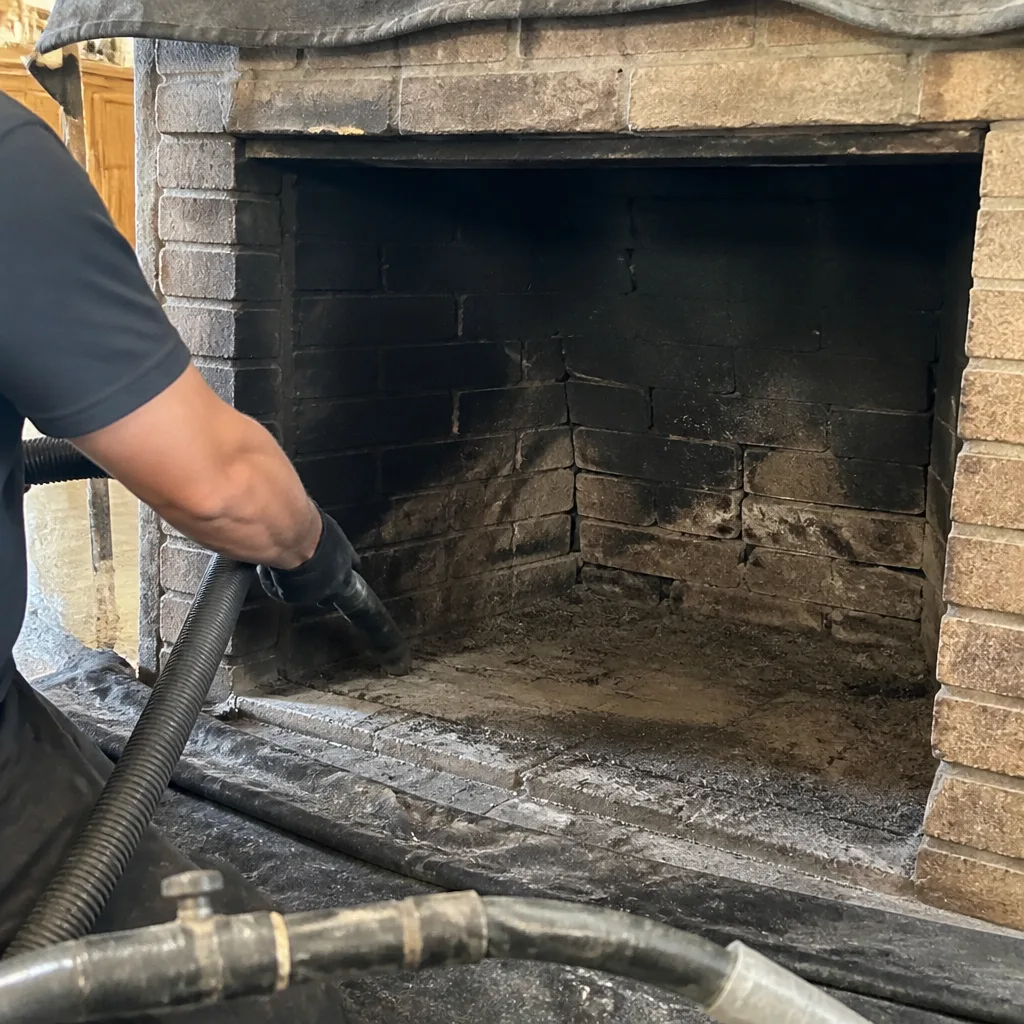
- Setup and protection. The technician lays drop cloths and sealed containment around the firebox so no soot ends up in your living room.
- Initial assessment. Before brushing, the technician looks at the firebox, damper, and flue opening, notes how much creosote is present, and checks for blockages like bird nests or debris.
- Flue cleaning. The flue is brushed from the top or bottom depending on the chimney’s design, using the right brush and tool for the liner material. Hard, glazed creosote may need chemical treatment before or after brushing.
- Firebox and damper cleaning. Soot is removed from the firebox, smoke shelf, and damper. The damper is checked for smooth operation.
- Camera inspection. A camera goes down the flue to check for cracks, gaps in the liner, and damage the brush wouldn’t reach. This is the step that reveals problems a surface look misses.
- Exterior check. Crown, cap, flashing, and masonry are inspected from the roof. Photos of any issues are included in your report.
- Cleanup and reporting. The work area is cleaned, and the technician walks you through what was found and what, if anything, needs repair.
A clean flue is a safe flue, and a proper report is how you prove it. If a technician sweeps your chimney and hands you a bill without showing you a photo of the liner, you haven’t had a full inspection. We do the cleaning and the inspection in the same visit because the two depend on each other.
Dryer Vent Cleaning: The Other Hidden Fire Risk in Your Home
Your dryer vent is a fire hazard most homeowners never think about, and it’s the one service in this guide that has nothing to do with your fireplace. Lint accumulates in the duct every time you run the dryer. It’s highly flammable, and it collects in the bends and at the exterior vent, where airflow is weakest. A clogged duct also makes your dryer run hotter and longer, which is both a safety issue and an efficiency issue.
Signs the vent is due for cleaning:
- Clothes take two cycles to dry when they used to take one.
- The dryer gets hot to the touch or smells unusually warm.
- The exterior vent flap doesn’t open fully or has visible lint around it.
- It’s been longer than a year since the duct was last cleaned.
- You notice lint accumulating on the wall behind or under the dryer.
We offer dryer vent cleaning as a standalone service, so you can have it done without scheduling a chimney visit. It’s a quick job with a real safety payoff, and it extends the same standard we apply to chimney work to the rest of the house. If you have a chimney and a dryer, both are worth an annual look.
Common Mistakes to Avoid
- Skipping the sweep because you barely use the fireplace. Low-use fireplaces in Chandler’s climate build up harder, glazed creosote faster than frequently used ones. The amount of use is not a reliable indicator of liner condition.
- Burning unseasoned or scrap wood. Green wood and construction scraps produce more creosote and moisture than seasoned firewood. It’s one of the fastest ways to turn a clean flue into a Stage 2 problem.
- Ignoring the crown and cap after monsoon season. Storm damage to the crown or cap is easy to miss from the ground. Water intrusion starts there and works its way into the liner.
- Hiring a sweep with no camera and no report. A brush and a flashlight don’t show you what’s inside a liner. If a technician recommends expensive repair without camera evidence, get a second opinion.
- Assuming a gas log insert needs no service. Gas appliances skip creosote but still need venting, burner, and combustion checks. They also produce moisture that can damage the firebox over time.
- Cleaning the chimney but forgetting the dryer vent. The two are separate systems, and both are fire risks. Most homeowners remember the chimney and forget the duct.
- Waiting until the first cold night to schedule. Build-up is inspected in fair weather, and a repair found in October takes longer to correct than one found in spring. Book before the season starts.
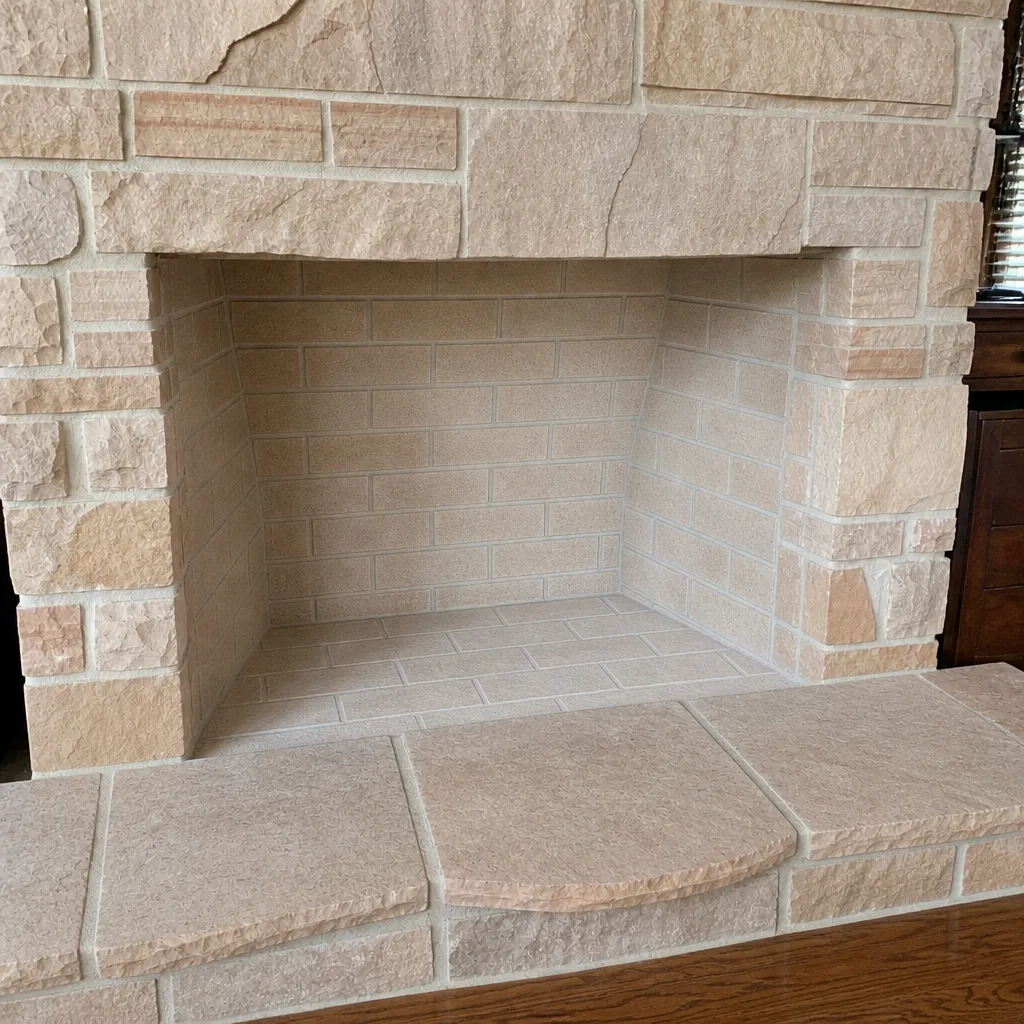
See the difference
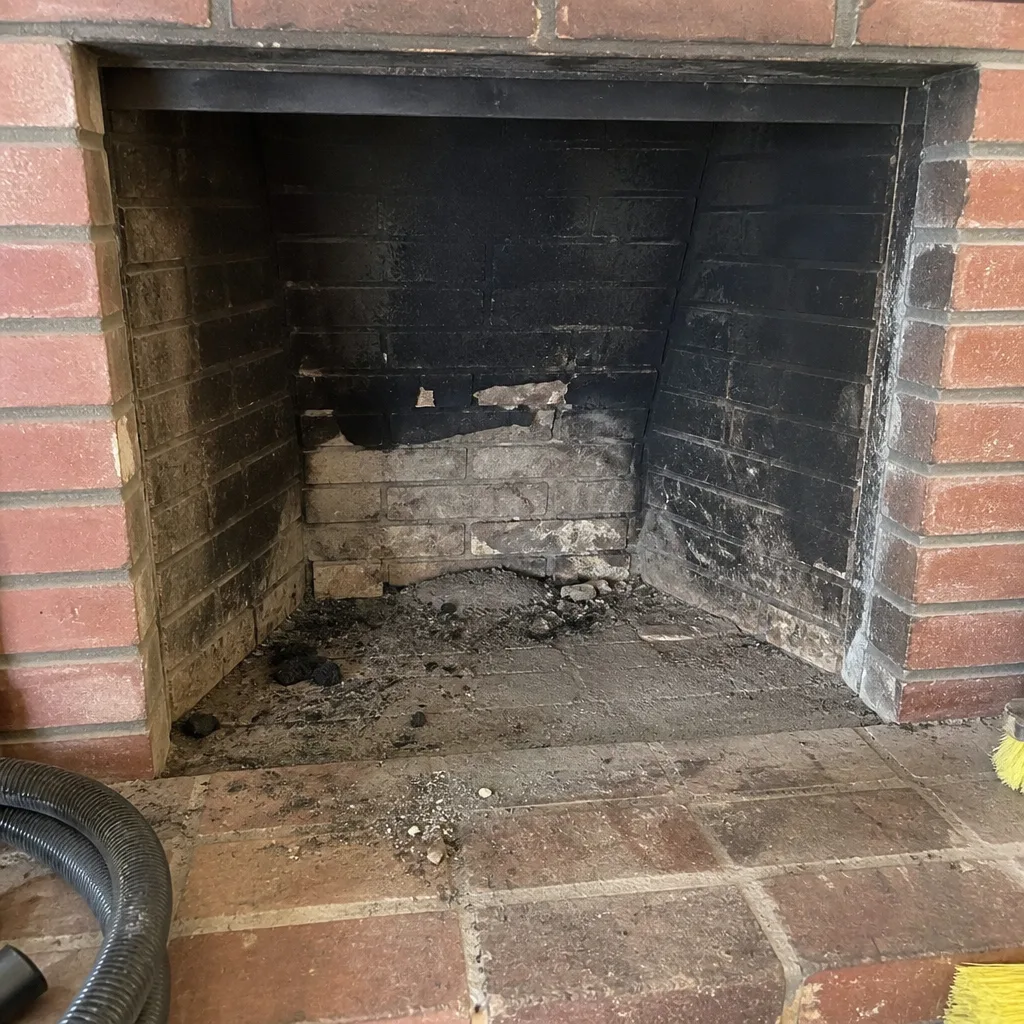 Before
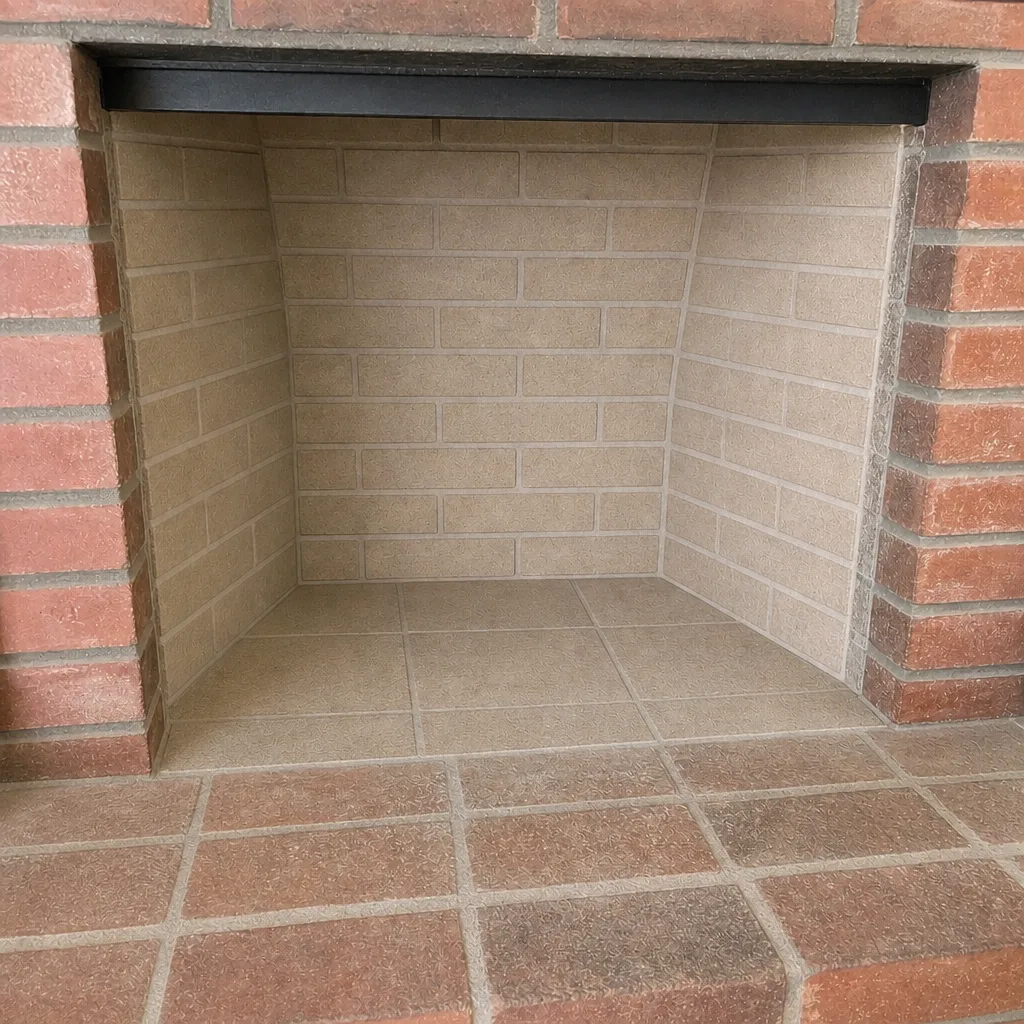 After
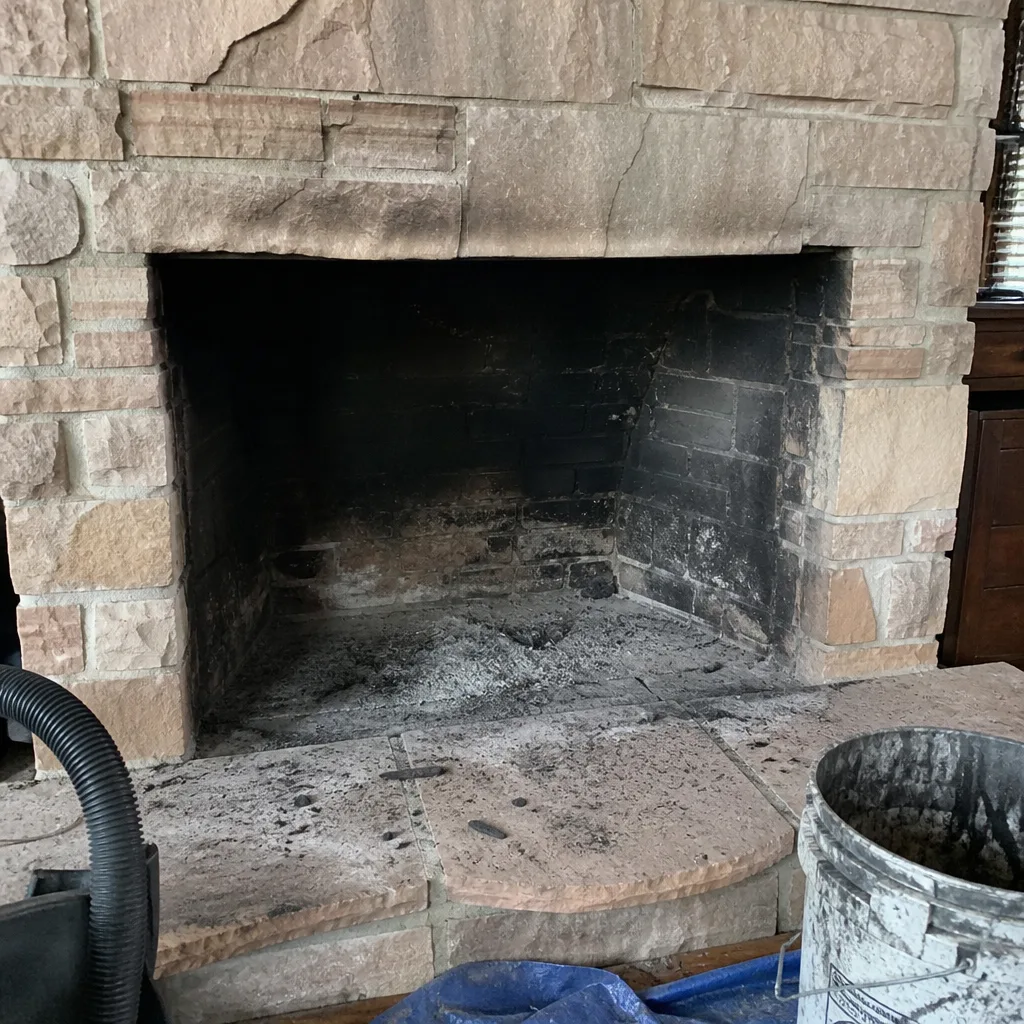 Before
 After
 Before
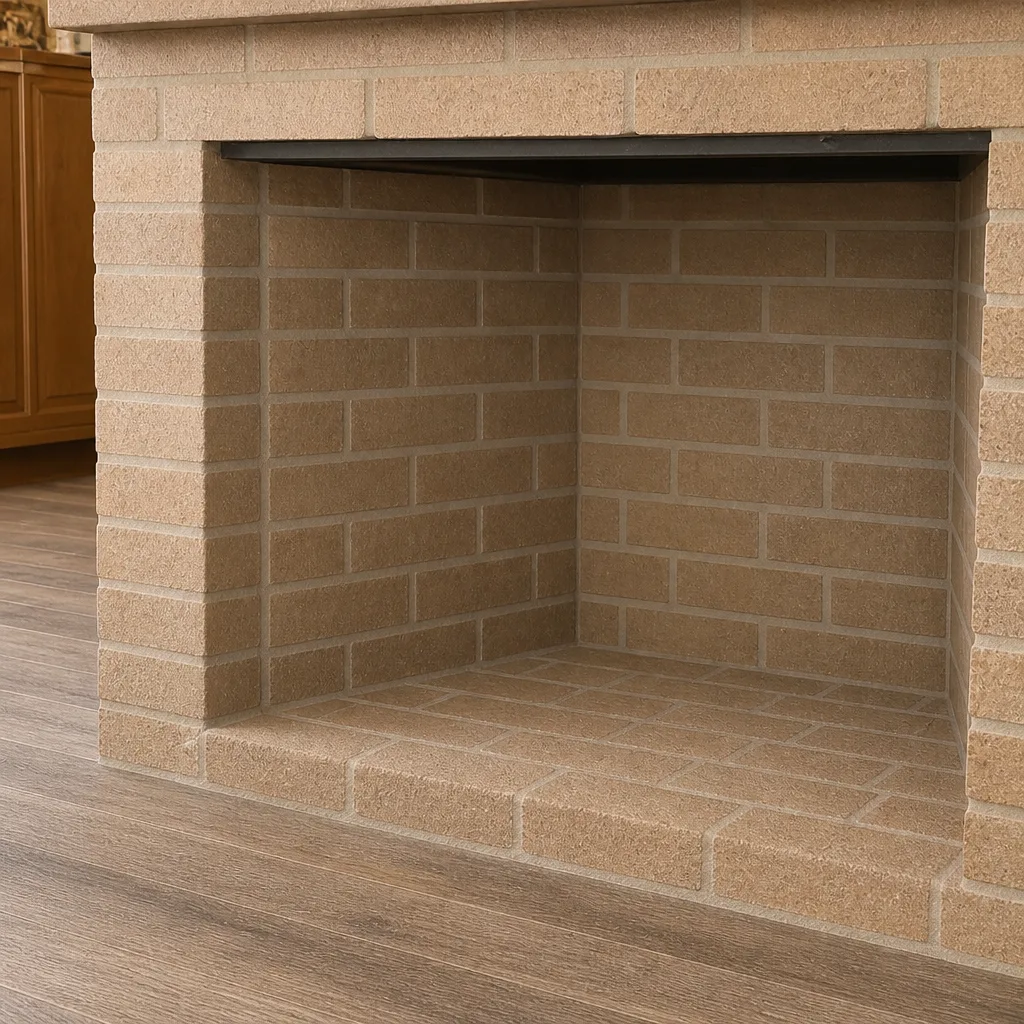 After
When to Call a Professional
Some chimney work is safe for a homeowner to notice, and some isn’t safe for anyone but a trained professional to touch. Call us when you’ve moved into a new home and don’t know the chimney’s history, when you’re adding gas logs or changing the appliance, after a chimney fire or a strong monsoon storm, or when you see loose mortar, water stains, or a cracked crown. High-tension components and liner work carry real injury risk, so we don’t recommend do-it-yourself repairs on flues, crowns, or venting. Our technicians have up to 12 years of experience, and Chandler Chimney Sweep offers free estimates in Chandler, call (855) 664-1862. We answer 24/7. Fast dispatch from 7am to 7pm, Sunday through Friday.
Frequently Asked Questions
A standard chimney sweep in Chandler typically runs $180 – $340, with sweep plus inspection in the $220 – $400 range and a Level 2 camera inspection around $300 – $550. The written estimate sets the final price, and the estimate is free. Call (855) 664-1862 for an exact quote.
Most homes should have the chimney swept and inspected once a year, even if the fireplace is used only a few times. In Chandler, the long gaps between burns let creosote harden into a tougher stage that’s harder to remove, so an annual look catches it early. Call us to book your sweep before burn season.
Not necessarily. A liner only needs replacement if a camera inspection shows cracks, gaps, or corrosion that make it unsafe. If a technician recommends a new liner, ask to see the camera footage and a photo report first, because a sound liner can often be cleaned and returned to service. Call (855) 664-1862 and we’ll show you what’s actually in your flue before recommending anything.
Skipping a sweep lets creosote and debris build up until the risk of a chimney fire or carbon monoxide exposure increases. The buildup also corrodes the liner over time, turning a cleaning into a repair. A sweep is inexpensive compared to liner replacement, and it’s the simplest way to keep the system safe. Call for a free estimate and we’ll tell you honestly whether your chimney can wait.
Yes, though not the same kind of cleaning a wood-burning fireplace needs. Gas appliances need burner, venting, and combustion checks, plus removal of soot and dust, and they produce moisture that can damage the firebox if venting is compromised. Call us and we’ll schedule the right service for your system.
A standard sweep usually takes under two hours, and a visit that includes a Level 2 camera inspection or minor repair runs longer. We book a set window and work through the full sequence: setup, sweeping, firebox cleaning, camera inspection, exterior check, and cleanup. Call (855) 664-1862 to schedule.
We handle cleaning, repair, and liner work under one roof, so there’s no handoff to a second contractor. If the inspection turns up a crown issue or a liner problem, the same qualified technician can diagnose it, quote it, and correct it. Call us for a free estimate.
The Bottom Line
Chimney cleaning in Chandler is not the same job a national guide describes. Low-use fireplaces build up glazed creosote faster here than heavily used ones elsewhere, gas log inserts need appliance-level inspection rather than a sweep, stucco and block construction puts the crown and cap at the front of the failure line, and monsoon storms do more liner damage than most homeowners realize. A camera inspection with a photo report is how you know what you’re dealing with, and a single qualified contractor who can diagnose, clean, and repair is how it gets handled right. Our technicians have up to 12 years of experience, and we work with professional-grade brands like Olympia Chimney, DuraFlex, HeatShield, and Gelco because the right materials installed correctly are what make a repair last. If it’s been more than a year since your chimney was inspected, start there.
Call Chandler Chimney Sweep at (855) 664-1862 for a free estimate. We answer 24/7. Fast dispatch from 7am to 7pm, Sunday through Friday. You can also start with our Chandler Chimney Sweep homepage to see the full range of services.
Written by the team at Chandler Chimney Sweep.