
Last updated November 15, 2026
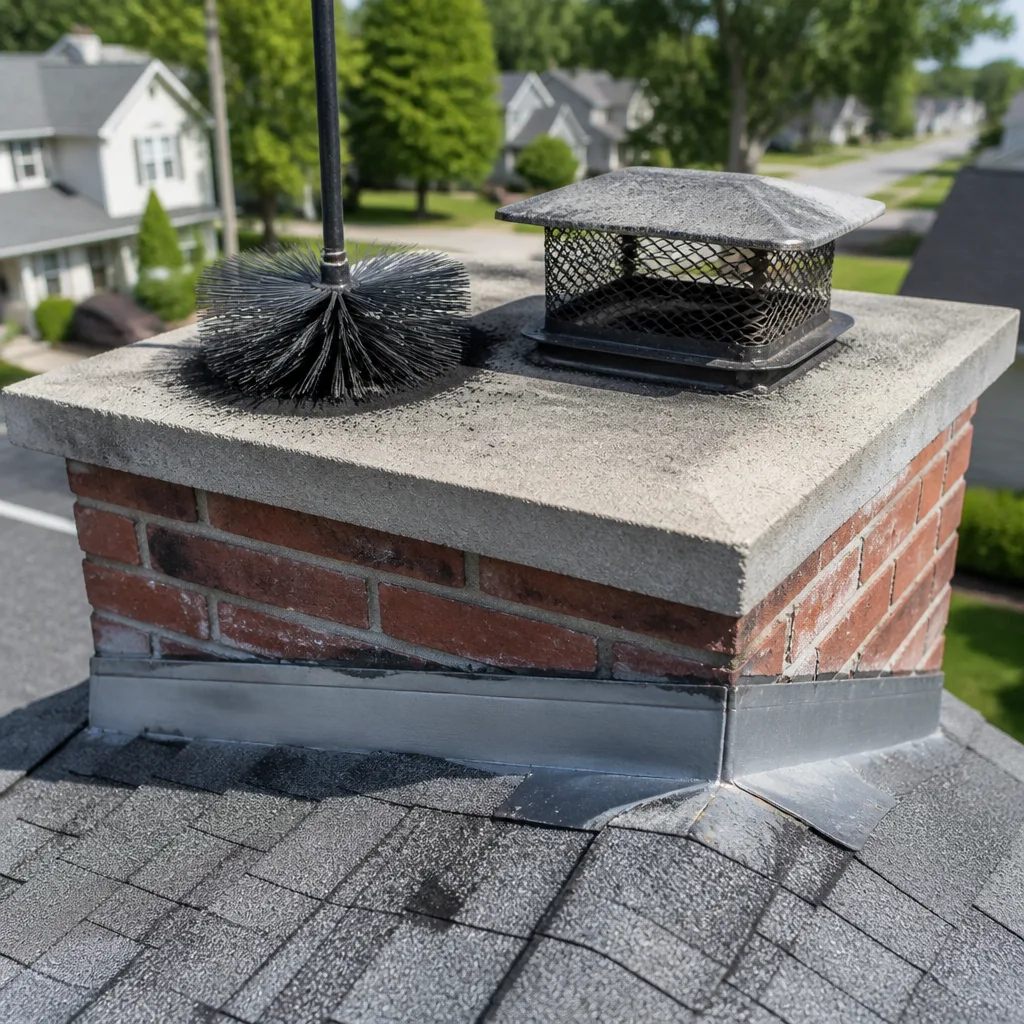 Sweep & inspection
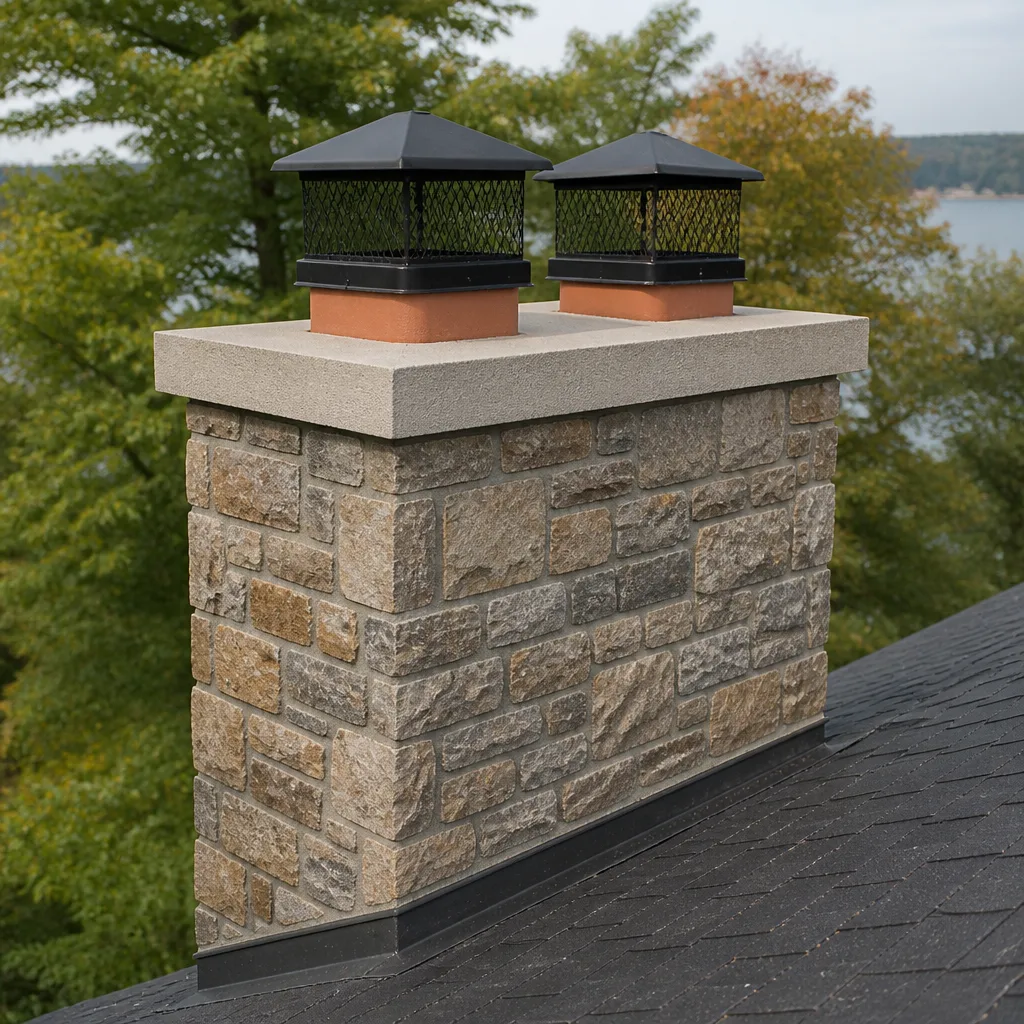 Caps & crowns
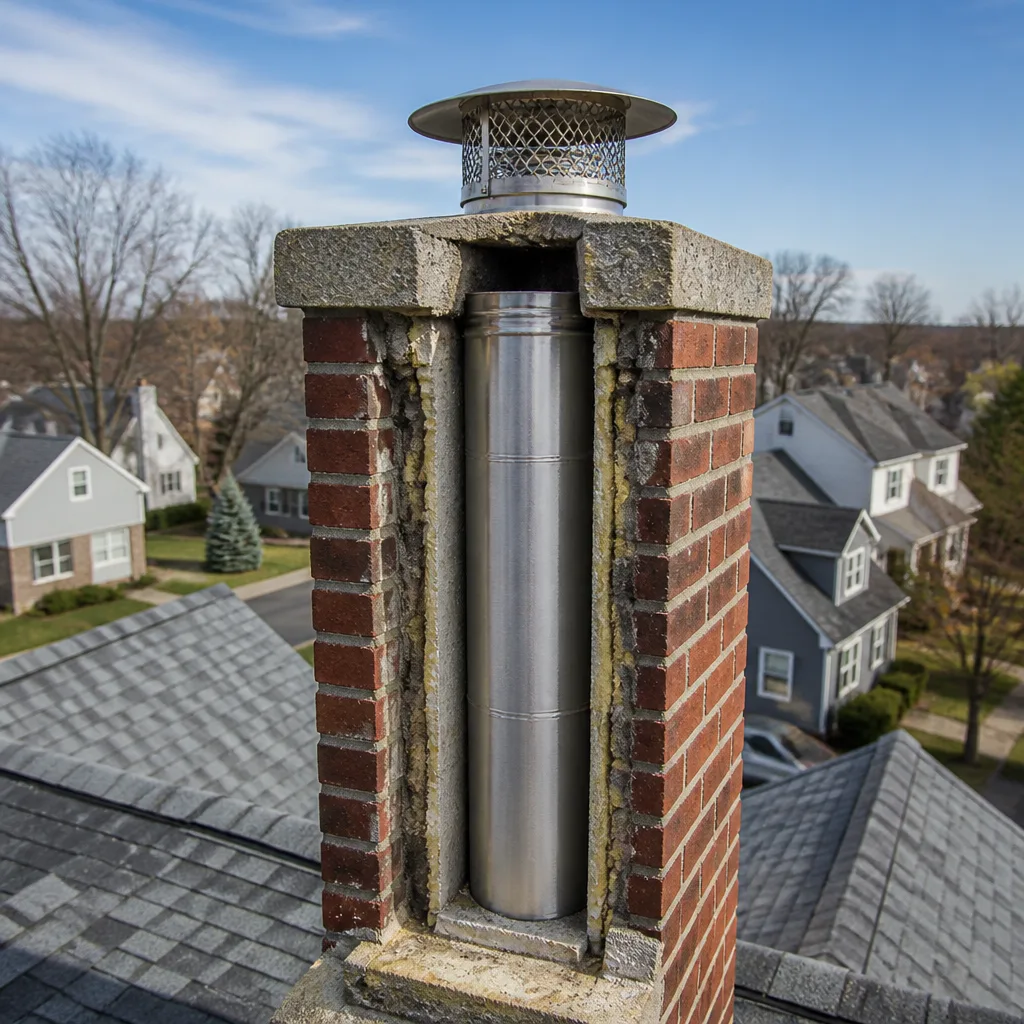 Flue relining
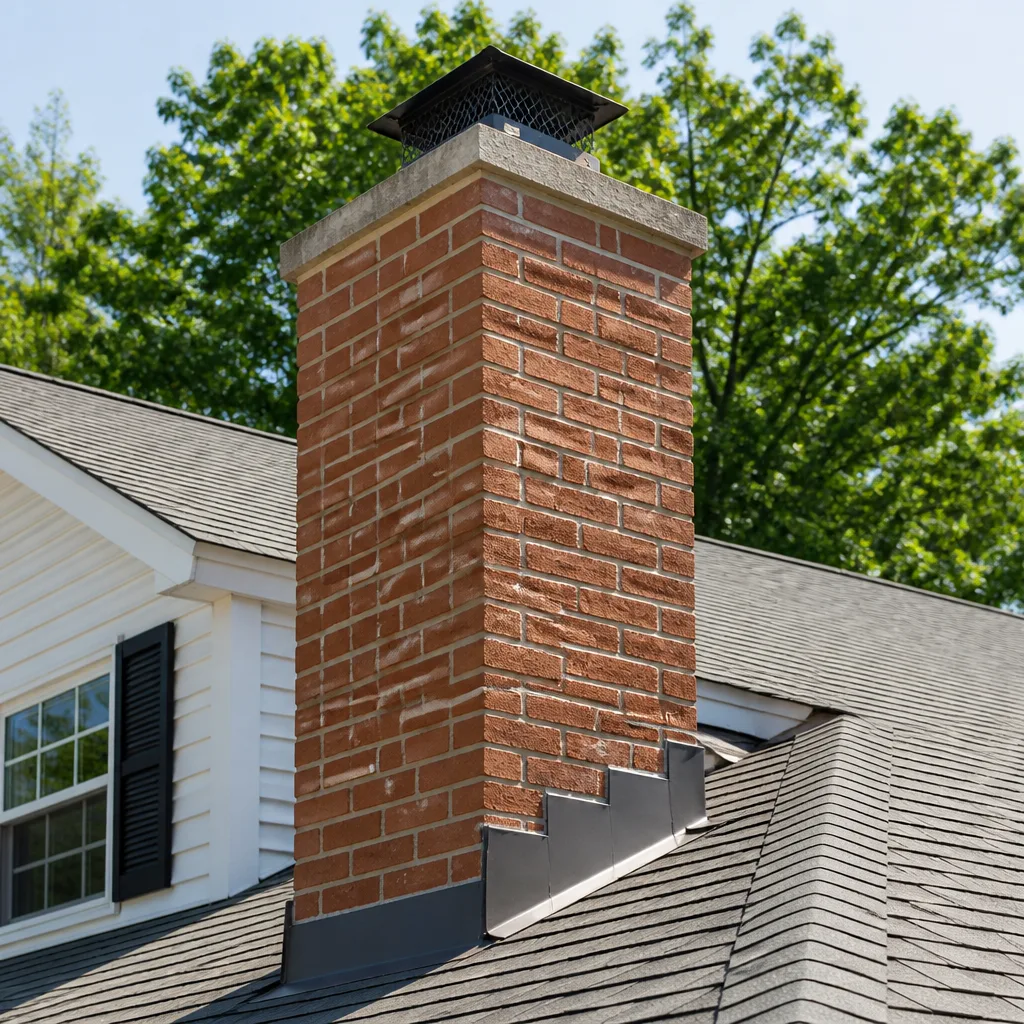 Masonry repair
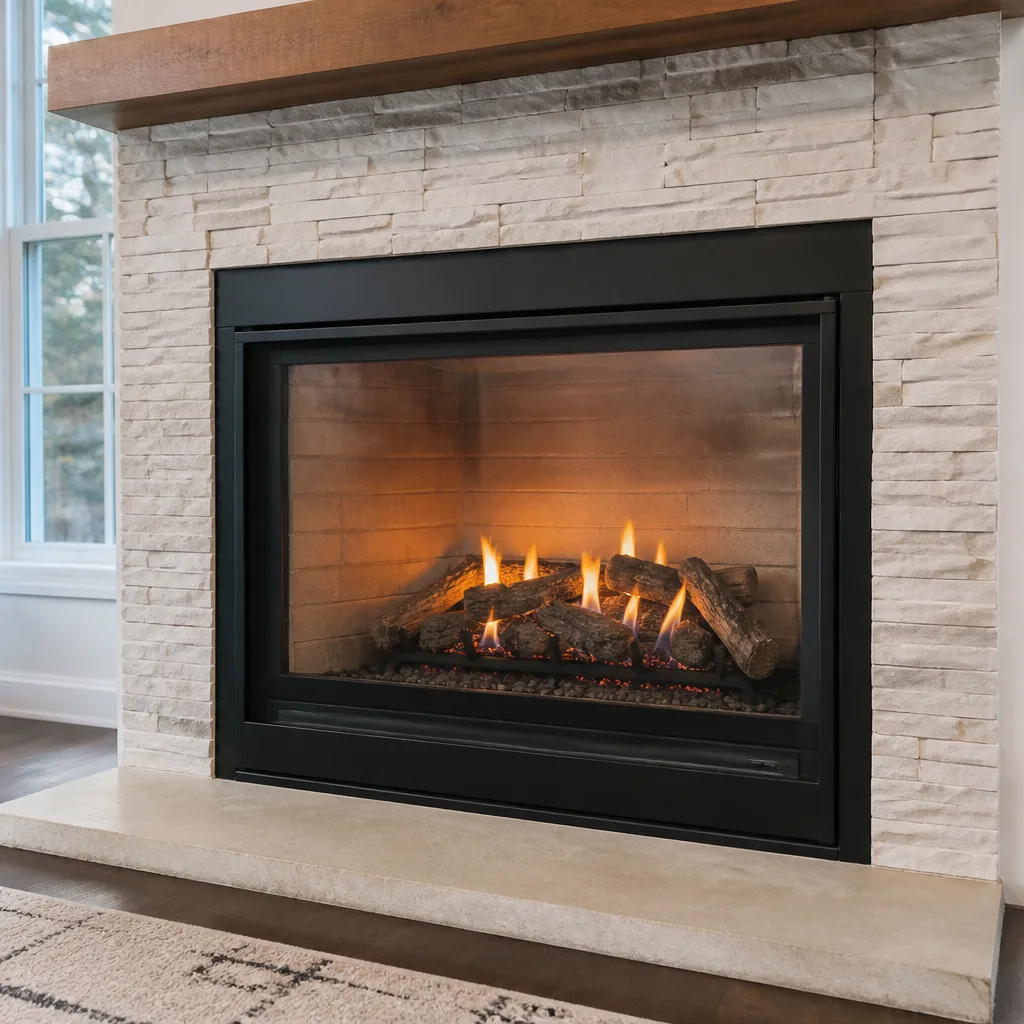 Gas fireplace service
Level 1 sweep and inspection to the NFPA 211 annual standard - flue, crown, cap, and flashing checked and photographed
Chimney sweep logs do not sweep chimneys. They loosen some creosote - which then falls where a brush and vacuum still have to collect it.
Chimney Sweep Maintenance Schedule: What to Do and When
The standard advice says to get your chimney swept once a year, and for a lot of homes that line gets repeated without anyone asking whether it fits. Here’s the problem: a Chandler homeowner burning three cords of mesquite through the cold months and a homeowner who lights a gas fireplace six times a season do not own the same chimney, and they shouldn’t be on the same maintenance schedule. One needs an inspection cadence built around heavy creosote loads. The other mainly needs to confirm nothing has moved, cracked or nested over the summer. Treating both as “annual sweep” wastes money on one and misses real risk on the other. In this guide we’ll lay out a decision-based framework: how fuel type, burn frequency and Chandler’s own seasonal rhythm set the intervals, what each tier of inspection actually covers, and where the dryer vent belongs in the same logic. You’ll finish knowing exactly what to do this month, this season and this year.
Quick Answer
There’s no single right schedule; the right one depends on how much and what you burn. As a baseline, most Chandler chimneys used regularly should be inspected once a year and swept whenever the technician measures roughly an eighth of an inch of creosote, while gas-only fireplaces and lightly used wood-burning fireplaces can often go longer between sweeps if inspections stay clear. Late spring, before monsoon humidity arrives, is the highest-leverage inspection window for an Arizona home. Heavy wood burners should be inspected more often, not less.
If you want your flue checked properly the first time, start with a professional chimney sweep who inspects with a camera, not just a brush and a flashlight.
Styles & brands we work with
- Sweep & inspection
- Caps & crowns
- Flue relining
- Masonry repair
- Gas fireplace service
Table of Contents
- The Three Usage Tiers That Set Your Schedule
- Why Late Spring Is the Highest-Leverage Maintenance Window in Chandler
- What You Can Check Yourself Every Month
- What Requires a Camera Inspection
- The Dryer Vent Schedule Most Homeowners Ignore
- How Long Do Liners and Clay Tile Actually Last?
- Gas, Wood and Pellet: Different Schedules for Different Fuels
- Building Your Annual Maintenance Calendar
The Three Usage Tiers That Set Your Schedule
Usage, not the calendar, is the main variable that shapes your sweep interval. The calendar gives you a reminder; your burn habits tell you what actually needs to happen.
Here’s how we sort it. Tier one is light seasonal use: your fireplace warms the living room on chilly evenings, you go through maybe half a cord or less, and there are nights the hearth sits cold for weeks. Tier two is moderate weekend burning: family fires on cold nights, guests over for cookouts in the cooler months, and a steady stream of short, hot fires through December and January. Tier three is heavy primary-heat use: the fireplace or wood stove is a working heat source through the cold months and you’re feeding it a cord every few weeks. A homeowner burning mesquite steadily is squarely in tier three before the season ends.
Each tier changes two things: how often the flue gets inspected, and what the technician is looking for once they’re inside.
- Tier one (light seasonal use): Annual inspection with a camera. Sweep when creosote measures at or above the threshold. For wood-burning fireplaces in this tier, many homes can go a couple of seasons between actual sweeps if the inspection stays clear.
- Tier two (moderate weekend use): Annual inspection, and plan on a sweep roughly every season if you’re burning consistently through the winter. Creosote starts to accumulate faster than people expect once you’re lighting regular fires.
- Tier three (heavy primary-heat use): Inspect at the start of the season and mid-season, and sweep whenever the creosote layer hits the threshold. This is the tier where skipping a mid-winter check is the mistake we see most often.
One honest caveat: the creosote threshold that triggers a sweep is a measurement, not a guess. A technician with a camera and a ruler tells you exactly where you stand. If you’ve been told “you need a sweep” without evidence of the creosote layer, ask to see it.
Chandler’s mild winters make it easy to underestimate tier placement. People burn more nights than they realize between November and February, and a fireplace that feels “occasional” often lands solidly in tier two by the end of the season.
Why Late Spring Is the Highest-Leverage Maintenance Window in Chandler
The single best month to book an inspection in Chandler is late spring, before monsoon humidity arrives. That surprises people who assume “fall inspection, sweep before you burn” is the rule. It is the rule in cold climates. Here it isn’t.
Here’s the reasoning. The dry, warm stretch from March through May is when a chimney that has spent the winter burning is most likely to show its wear honestly: cracks look like cracks, soot displaces visibly, and the cap and crown are dry enough to inspect properly. Then the monsoon season rolls in with its afternoon storms and higher humidity. If your chimney cap is damaged or the flue has a hidden opening, that’s when water intrusion and insects find their way in. Swallows, pigeons and other birds nest in open or damaged flues in the warm months, and the nest material becomes a fire hazard the next time you light a fire. Waiting until fall to notice the problem is how a minor cap repair turns into a flue full of debris and pests.
The pre-monsoon window also gives you time to fix what’s found. In late spring you have weeks to schedule a repair before the burning season starts. In October you’re booking against a queue, with the first cold nights coming fast.
Late spring in Chandler looks like this:
- Book the inspection in April or May, before humidity spikes and before nests are occupied.
- Have the technician check the cap condition, crown and any chase enclosure, along with the flue interior via camera.
- Address any cracks, missing cap mesh or loose mortar now, not October.
- Schedule the seasonal sweep in the fall so you start the burn season with a clear flue.
The takeaway is simple: the pre-monsoon inspection catches the damage in time to fix it comfortably. Fall is for the sweep. Late spring is for the structural check.
What You Can Check Yourself Every Month
Some things a homeowner can and should watch monthly. Others require equipment and training. Knowing the line between them saves you from both unnecessary worry and dangerous assumptions. These monthly checks take five minutes and don’t involve the inside of the flue.
- Damper operation: Open and close the damper a few times. It should move smoothly and fully with the handle. If it sticks, loosens or won’t fully close, that’s worth reporting on your next call.
- Visible cap condition: From the ground or a window, look at the chimney cap. Mesh should be intact and attached. Missing mesh means animals get in; a leaning or rusted cap means water can follow. Binoculars help if the cap is high.
- Odor changes: A persistent smoky, sour or acrid smell even when the fireplace hasn’t been lit is a signal to investigate. It can indicate a blockage, downdraft or moisture issue. It doesn’t confirm a fire hazard in itself, but it warrants a professional look.
- Smoke behavior: A fire that smokes into the room instead of up the flue, on a fire that used to draw well, suggests a partial blockage or a change in the venting. Stop using it and have it checked.
- Creosote build-up at the firebox throat: Look just above the damper for a glossy brown or black crust where you can reach it. That’s a hint creosote is accumulating in the flue above, though the real measurement requires someone inside the flue.
- Visible exterior cracks: From the ground, check for any new cracks in the brickwork or mortar joints, and crumbling in the crown.
What you shouldn’t do yourself: probe, scrape or reach into the flue above the damper, and never try to clean the interior without proper brushes and a camera. A blocked or coated flue is exactly the condition that turns a small mistake into a house fire. Monthly checks are a watch-keeping habit, not a DIY cleaning regimen.
What Requires a Camera Inspection
A Level II inspection is the real diagnostic. It uses a camera run through the flue to see the parts you can’t see from the damper or from the ground. It’s the difference between “the visible portion looks fine” and “the full flue is intact.”
A Level II inspection is recommended in these situations:
- You’ve just moved into a home with a chimney, and you have no record of when it was last inspected.
- The usage tier changed: you switched from occasional evenings to daily burning, or vice versa.
- There was a chimney fire, a flue fire or a strong smoke event, even one that didn’t cause visible damage.
- You’re selling or buying a home and need documentation of the chimney’s condition.
- A major change was made to the heating system or the venting, such as a new appliance or liner.
- A visual check found cracks, a partial obstruction or significant creosote, and you need to know the full extent.
- You have a history of chimney-related problems: smoke backup, odors, water entry, birds or debris in the firebox.
During the inspection, the camera reveals the exact condition of the flue lining from firebox to cap: cracks in the clay tile, gaps in a liner joint, creosote and glaze coating, debris, animal nests and the point where a stove or insert connects. A camera inspection is information you can act on. When a technician tells you a tile is cracked or a liner needs replacing, they should be able to show you the image. If they can’t, ask why.
This is where a full-service contractor earns the trust. We diagnose, we clean, we repair, and we carry the restorative materials – HeatShield for ceramic resurfacing, DuraFlex for liner systems, Gelco and Olympia Chimney and Famco for venting and components – so the answer to “your flue has a problem” doesn’t mean a handoff to a second company. If you’d rather not book a sweep blind, an inspection with photo documentation is the honest starting point.
The Dryer Vent Schedule Most Homeowners Ignore
Dryer vent maintenance runs on the same usage-based logic as the chimney, and most households have never thought about it. Lint accumulates in the exhaust run at a rate that depends on household size, how often you run the dryer and what you dry. A full vent that used to be clear will eventually slow your dryer and, in the worst cases, catch fire. A blocked dryer vent tops the lists of common causes of residential fires, and it’s almost entirely preventable.
The schedule most often recommended is once a year for typical homes. From there, the same variables that tier a chimney adjust it:
- Small household: A one or two person home running a couple of loads a week is usually on the lighter end and can stretch toward a longer interval if an inspection shows a clean run.
- Family with heavy laundry: A household running laundry most days, especially with every load going through the dryer, should plan on more frequent checks than the annual baseline.
- Heavy lint generators: Drying lint-heavy fabrics – and using the dryer heavily in general – fills the vent faster. If you dry a lot of heavy fabrics or find lint on the floor around the dryer, check sooner.
- Longer, more complicated vent runs: A long run with multiple bends collects lint faster than a short, direct run and deserves more frequent attention.
Warning signs a vent is overdue: clothes take longer to dry than they used to, the dryer body feels hot, or lint clumps appear at the outside vent hood. If you’re noticing any of these, don’t wait for the calendar. Professional dryer vent cleaning clears the run properly and tells you what the inside condition looks like, which is the part you can’t check from the laundry room.
How Long Do Liners and Clay Tile Actually Last?
The lifetime of your flue lining depends on the material, the fuel and whether a prior problem was addressed. Knowing what to expect helps you budget for service versus replacement instead of being surprised.
Clay tile flues are the standard in many older Chandler homes. They’re durable, but they aren’t immune to damage. The mortar joints between tiles crack, tiles can spall or shift as the chimney settles, and heavy use compounds the wear. Under normal light use, a well-built clay tile flue can last decades, but the joints are what usually fail first. A camera inspection is the only reliable way to know whether your tiles and joints are still intact. Once a joint opens, combustion gases and creosote can reach the structure around the flue, and that’s a problem to fix, not patch.
Stainless steel liner systems, including the DuraFlex systems we work with, offer a defined service life and get specified when a clay flue is cracked, when an appliance needs a correctly sized flue, or when a homeowner wants a reliable long-term solution. Any stainless liner will eventually reach the end of its service life, and the installation quality matters as much as the product. That’s why we work with professional-grade products rather than the cheapest liner available. The difference shows up years down the road.
The practical guidance:
- For clay tile, budget for inspection and inspection-led repair. Budgeting for partial tile work once a camera finds a cracked joint is normal, not a sign of failure.
- For stainless liners, a professional install from a known product line tends to outlast a bargain install, but the system still needs annual inspection.
- For either material, a damaged crown, missing cap or water intrusion above can shorten the life of the lining below. Fix the top before it damages the flue.
- If a camera inspection shows a liner at the end of its life, plan the replacement before the next burn season, not during it. It’s cheaper and calmer that way.
Our technicians have up to 12 years of experience reading exactly these conditions. If you’re not sure which material you have or how much life it has left, an inspection with a clear report is where to start.
Gas, Wood and Pellet: Different Schedules for Different Fuels
Fuel type changes what accumulates and how fast, so it changes the schedule. The annual inspection rule and the sweep interval mean different things depending on what you burn.
Wood burning, including the mesquite a lot of Chandler homes use, produces creosote and soot. Creosote is what drives the sweep interval, and heavy use accelerates it. A wood-burning fireplace needs a real sweep when the creosote layer reaches the threshold, not just a visual inspection.
Gas fireplaces, including gas logs, produce much less of that sooty residue and don’t generate creosote the way wood does. That often means less frequent sweeping. But gas is not maintenance-free: the flue can collect debris, the burner and logs need to be checked to make sure they’re clean and properly positioned, draft must be verified, and the venting system can develop cracks or blockages that warrant a camera inspection. A gas fireplace that is “just for looks” six nights a year sits in tier one, but it still needs that annual look.
Pellet stoves are their own case. Pellet ash is fine and can build up in the flue and the vent, and the stove’s mechanical components all add to the maintenance load. Treat them as their own category: annual inspection plus a scheduled cleaning, adjusted for how many bags you burn.
If you’re not sure what your appliance needs, describe your setup honestly to whoever inspects it. The type of appliance, its age, its venting and your burn habits are the inputs. The schedule follows.
Building Your Annual Maintenance Calendar
A calendar alone is not enough, so this one combines the timing with the logic behind each entry. For a Chandler home burning at least moderately, the year looks like this.
- Late spring: inspection. Before monsoon humidity, get an inspection with a camera. Check the cap, crown, chase enclosure and flue interior. This is the window to find and fix structural issues and to catch any bird or pest activity before it becomes a problem.
- Late spring: dryer vent check. Same visit or same season, have the dryer vent run checked and cleared. The dryer and the fireplace both get attention before the warm season, and both benefit from the same visit.
- Early fall: pre-season sweep. Before you start burning regularly, have the flue swept if the inspection showed a threshold creosote layer. This is the “clean flue for a safe flue” moment of the year.
- Mid-winter (tier two and three): mid-season check. If you’re burning steadily through the season, a mid-winter inspection catches the creosote build-up before it becomes dangerous. This is the step most homeowners skip.
- Monthly: your own five-minute check. Damper, cap, odors, exterior cracks and fire behavior. Report anything off.
- After any flue fire, smoke event or change in usage: schedule a Level II inspection, regardless of where you are in the calendar.
If you want this on a schedule you won’t have to remember, a professional sweep can inspect and document your system and recommend the next check based on what the camera actually shows, not a generic reminder card.
Common Mistakes to Avoid
- Treating “annual sweep” as a complete maintenance plan. An annual sweep is one step. The inspection that catches a cracked crown or colonized flue is what actually protects the home. Book the inspection, and let it decide whether you need a sweep that year.
- Waiting for fall in Chandler. By fall, the fixing window is short and the repair queue is long. The pre-monsoon inspection is the one that gives you time to act before the burning season.
- Ignoring the damper until it sticks. A damper that won’t close fully wastes warm air all summer and can let drafts and pests in. Check it monthly; a stuck damper is a signal, not just an annoyance.
- Skipping the drying vent because the dryer still works. A partially blocked vent still dries clothes – just slower, and hotter. A dryer running longer than it should is a warning sign to have the vent checked.
- Assuming a gas fireplace needs nothing. Gas fireplaces produce less creosote, but they still need an annual inspection of the venting, burner and draft. A gas unit that’s never been looked at can hide a blocked vent or a displaced log.
- Getting one company to sweep and another to repair. When the sweep finds a cracked tile or failed liner, a sweep-only operation hands you off to someone else. A full-service contractor can diagnose, clean and repair in one visit and show you the evidence for each step.
- Taking “you need a liner” on faith. The real question is whether the problem is visible on camera. Ask to see it, ask whether the repair can reasonably wait, and get a written estimate before work begins. Any honest contractor will walk you through what the camera found.
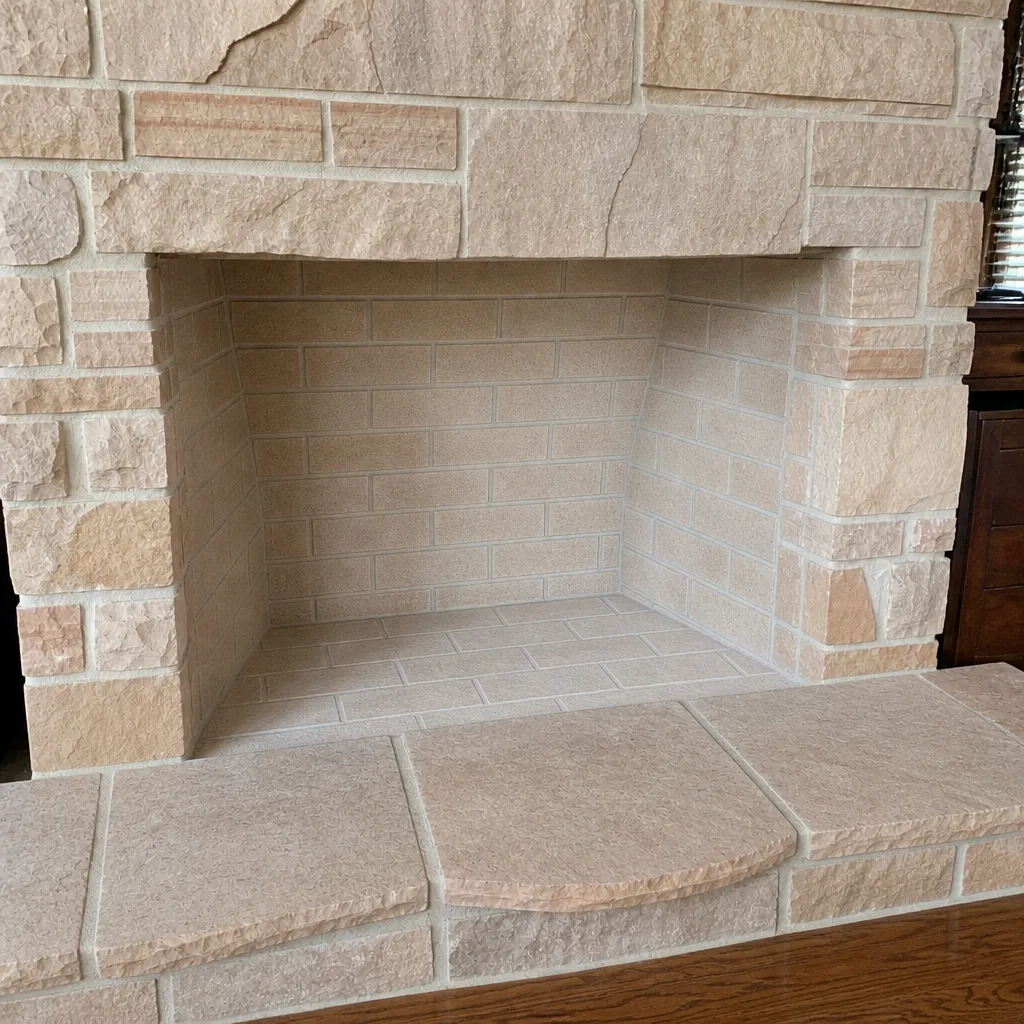
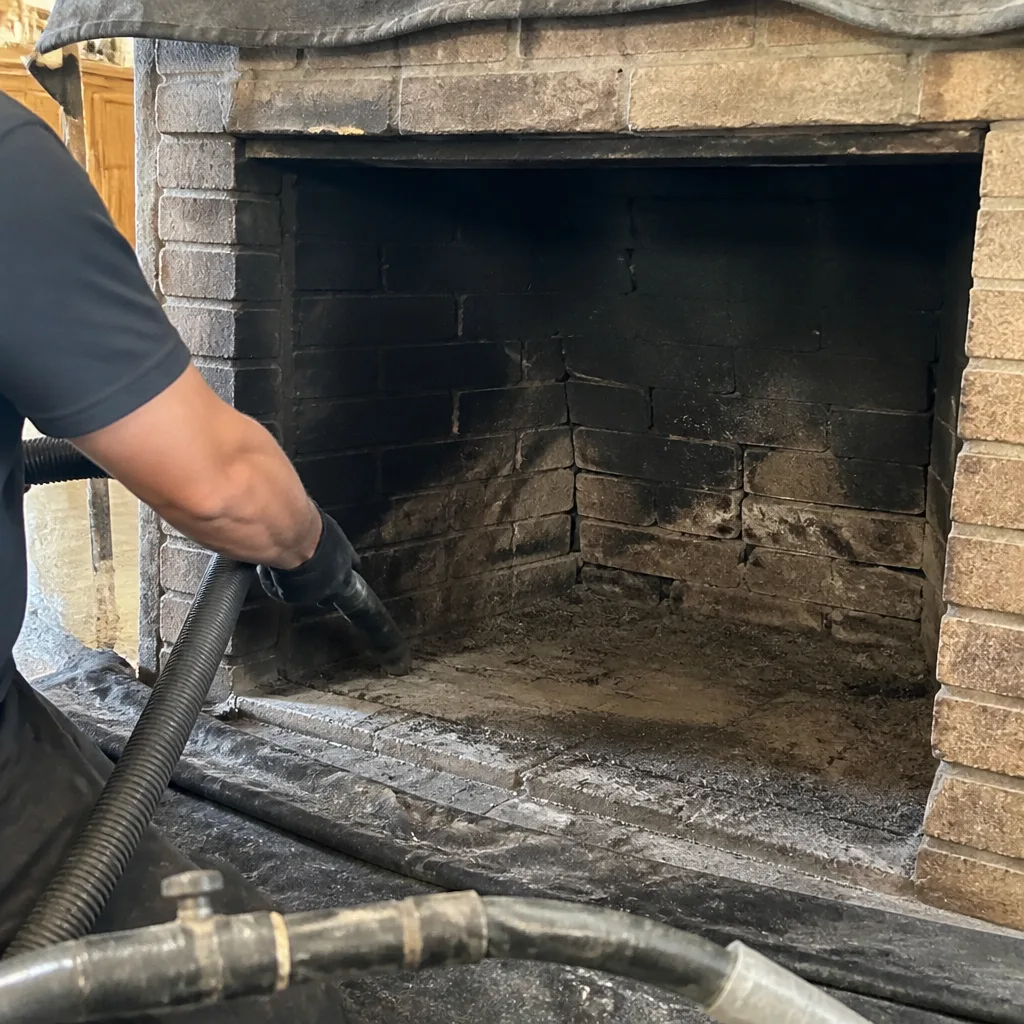
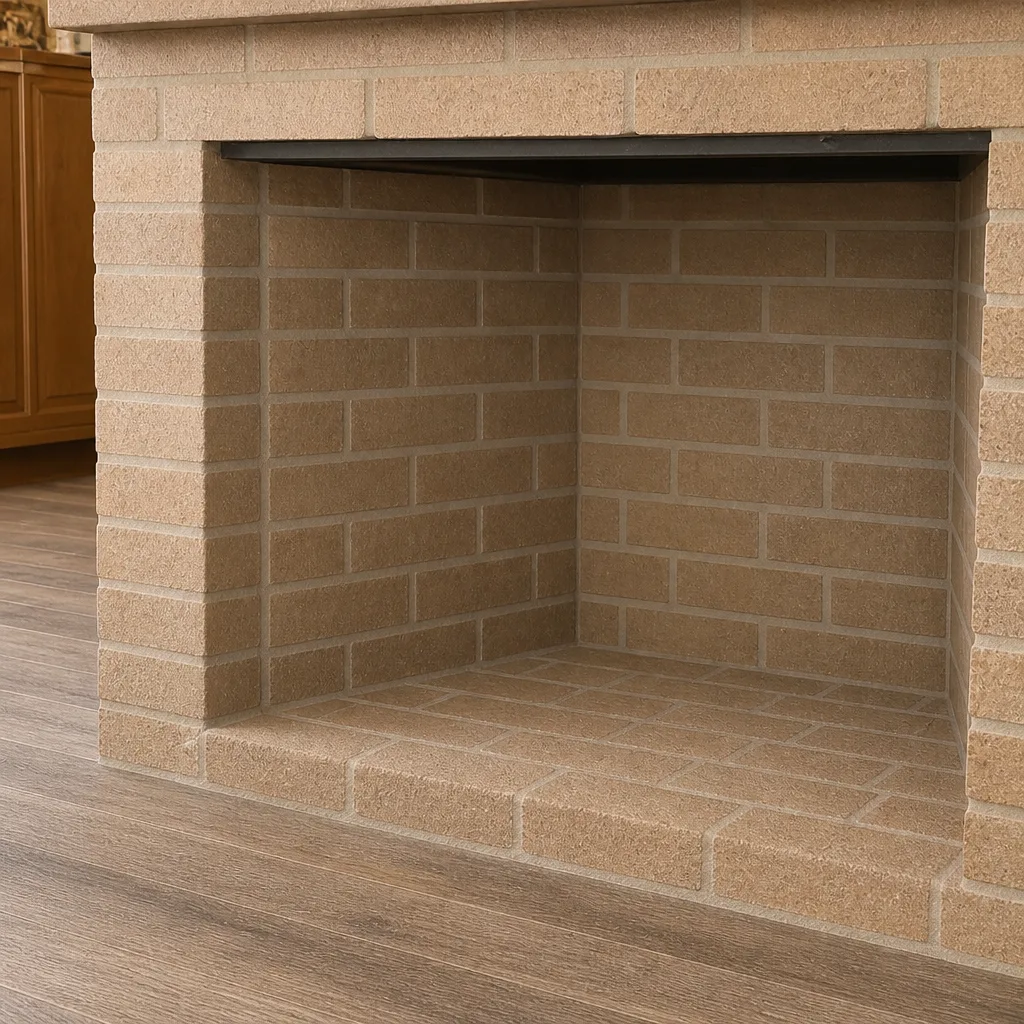
See the difference
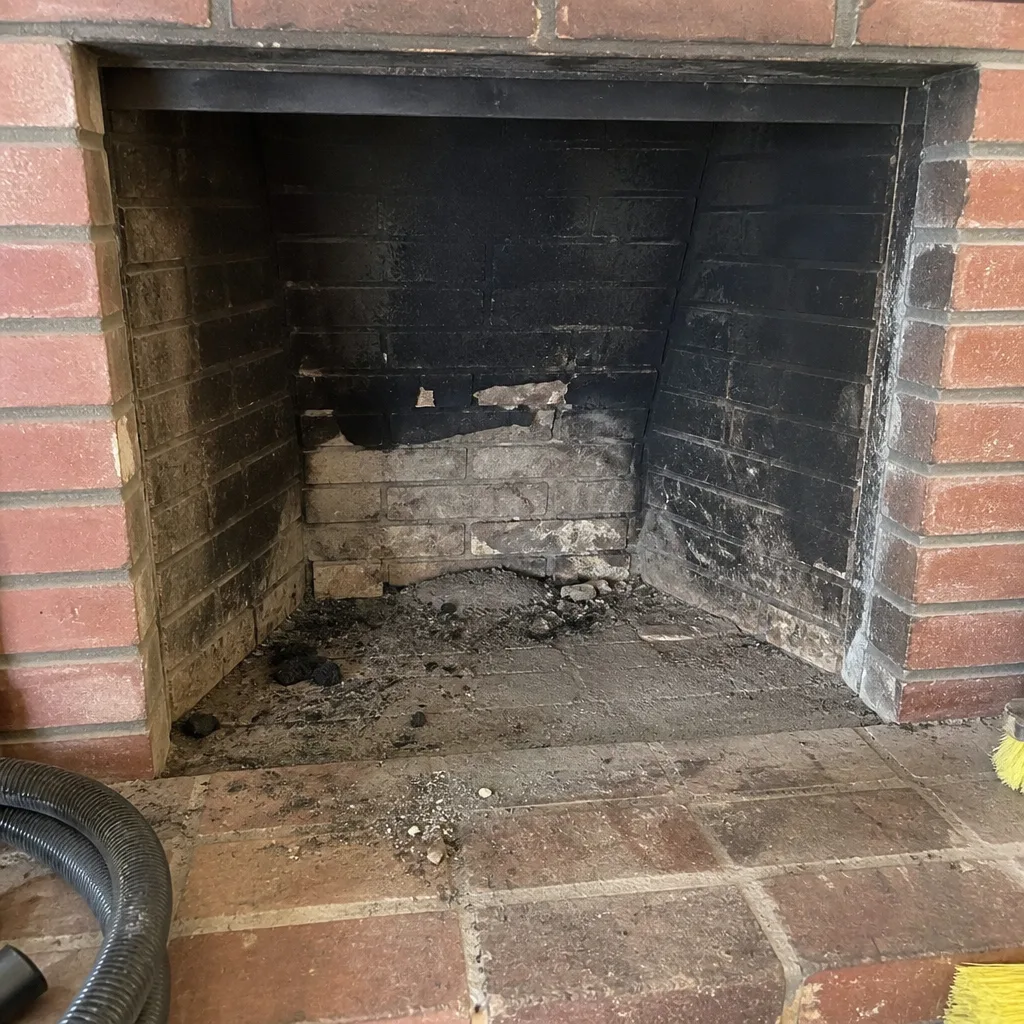 Before
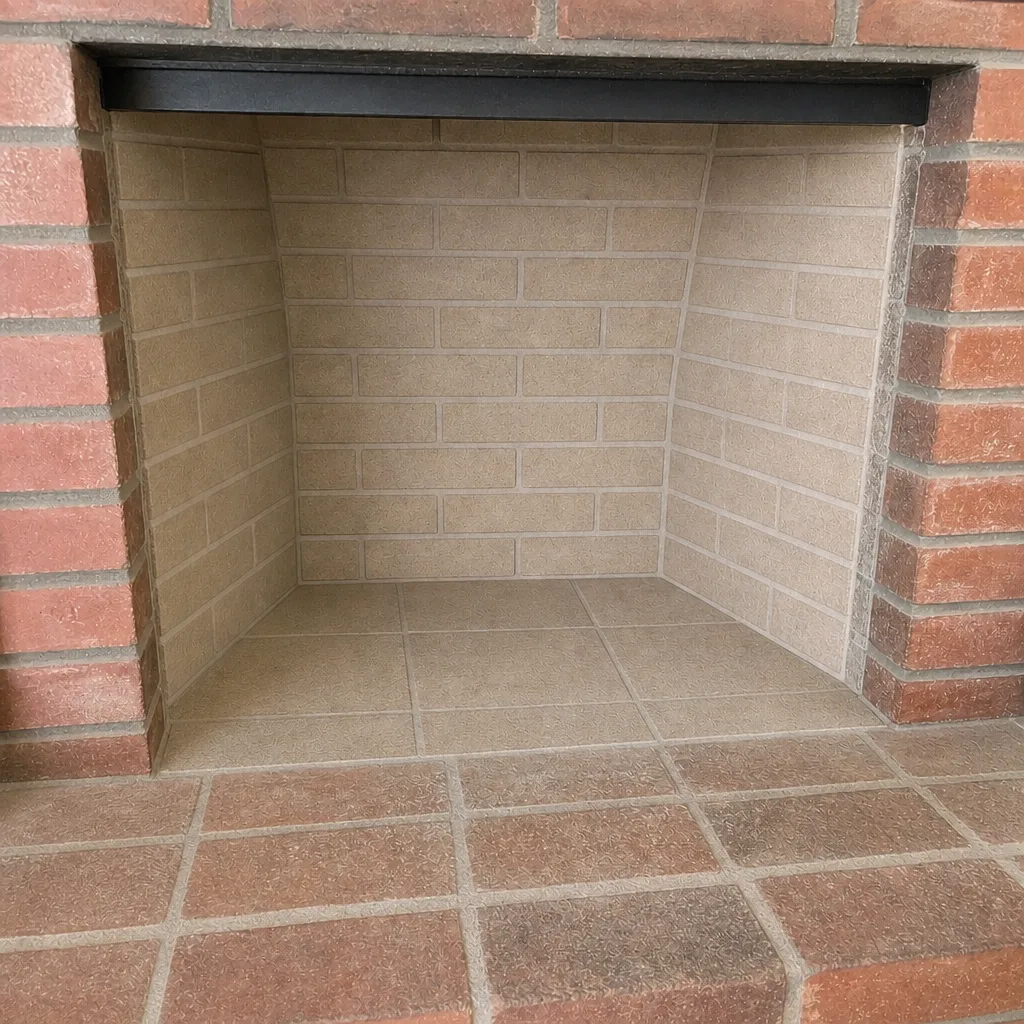 After
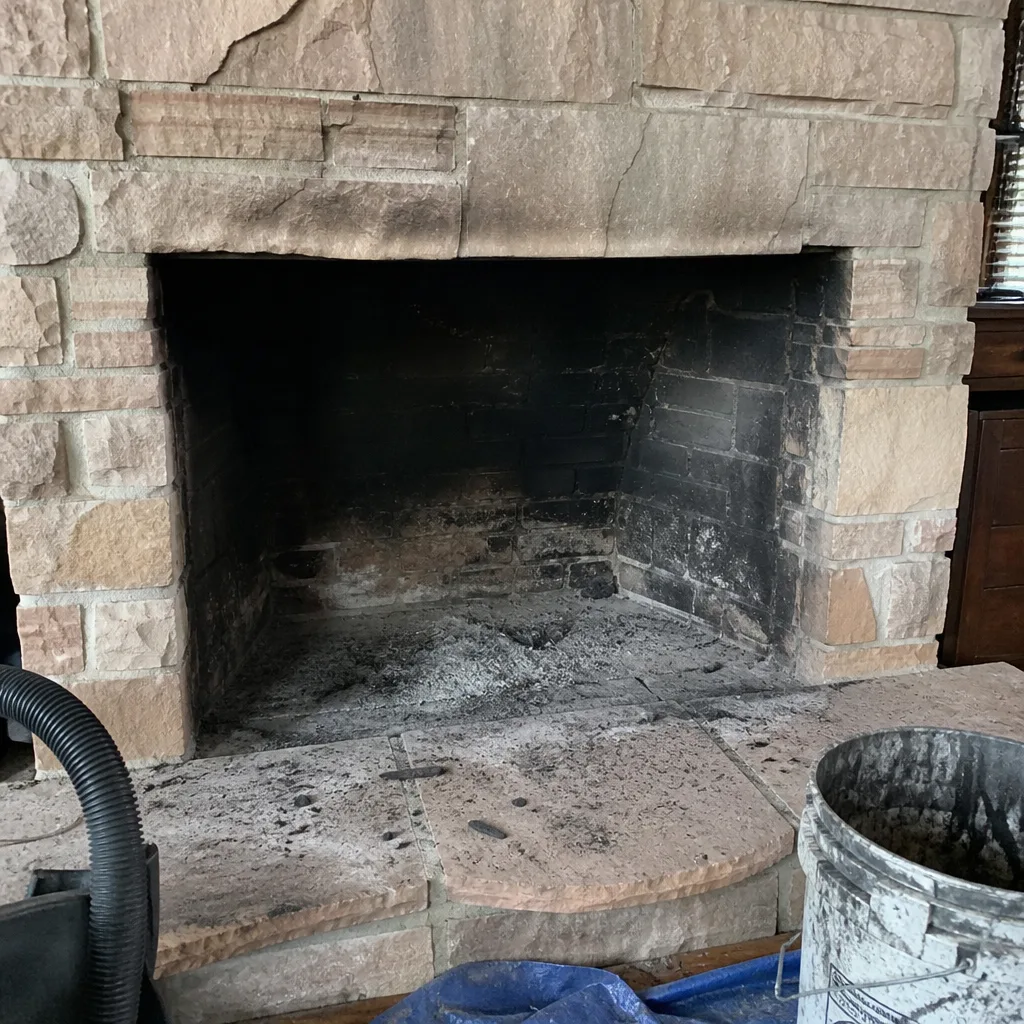 Before
 After
 Before
 After
When to Call a Professional
Call when you have a fire behavior change: smoke backing into the room, a smell that doesn’t clear, or a fire that won’t draw. Call after any chimney fire or strong smoke event, even one that seemed minor. Call when you’ve moved into a new home and don’t know the inspection history. Call when the monthly check turns up a cap problem, a stuck damper, visible cracks or signs of birds or debris. And call on the calendar: the pre-monsoon inspection in late spring and the pre-season sweep in early fall. A dryer vent that’s running slow, hot or noisy is also a call. We diagnose, we clean and we repair, and we don’t recommend work you can’t verify. Chandler Chimney Sweep offers free estimates in Chandler – call (855) 664-1862.
Frequently Asked Questions
Most regularly used chimneys should be inspected once a year and swept whenever the technician measures about an eighth of an inch of creosote, which for moderate to heavy wood burners usually works out to roughly seasonal or mid-season. Lightly used wood fireplaces and gas fireplaces often go longer between sweeps if inspections stay clear. If you burn heavily through the cold months, plan on more frequent checks, not fewer. Call (855) 664-1862 for a free estimate on an inspection and sweep.
Only if a camera inspection shows the existing flue lining is cracked, failed or unsafe. A clay tile with a cracked joint is a real problem that can be repaired or relined; it’s not a sales pitch. Ask to see the camera image, ask whether the issue can safely wait, and get a written estimate before any work starts. Any recommendation should come with visual evidence you can see for yourself. Call (855) 664-1862 to book an inspection.
Creosote builds up in the flue and can ignite, so a skipped sweep raises your chimney fire risk, and a blocked or damaged flue can let carbon monoxide back into the home. The milder risk is water and pest damage, which costs more the longer it sits. Skipping isn’t a guaranteed disaster; it’s simply less safe and more expensive in the long run. Call (855) 664-1862 for an honest assessment of where your chimney stands.
Yes, for finding structural problems. Late spring, before monsoon humidity and nesting season, is the best window to catch cracks, cap damage and pest activity, and it leaves time to repair before the burning season. Fall is when the sweep happens and the flue is readied for use. Doing both keeps the schedule honest. Call (855) 664-1862 to get on a Chandler schedule.
Once a year is the baseline, but a larger household running laundry most days should check it more often. Longer vent runs with more bends fill faster. Any drop in dryer performance, extra heat or lint near the vent hood is a signal to check sooner. Call (855) 664-1862 to book dryer vent cleaning.
It depends on the material. A well-built clay tile flue can last decades under light use, but the joints usually fail first. A stainless liner specified and installed correctly has a long service life, though the install quality matters as much as the product. That’s why we use DuraFlex for liners and HeatShield for restorative resurfacing, and why annual inspections matter for both. Call (855) 664-1862 for a liner condition check.
The Bottom Line
The one-size-fits-all annual sweep is a starting point, not a maintenance plan. Build your schedule around how much you actually burn, the type of fuel and Chandler’s own rhythm. Get the structural inspection done in late spring, before monsoon humidity, then sweep in the fall before the burning season. Check the damper, cap, odors and exterior monthly yourself, and let a camera inspection handle the interior. Put the dryer vent on the same usage-based logic you use for the chimney. And when a technician recommends real work, ask to see the evidence and the written estimate. That’s how your chimney stays safe, your home stays dry, and your budget stays predictable. Call (855) 664-1862 for a free estimate. We answer 24/7. Fast dispatch from 7am to 7pm, Sunday through Friday.
If you’re choosing a contractor, our guide to what a Chandler homeowner should expect from a chimney and vent schedule covers the service area and how we work. For a broader look at the company and our services, see Chandler Chimney Sweep.
Written by the team at Chandler Chimney Sweep.