
Last updated November 15, 2026
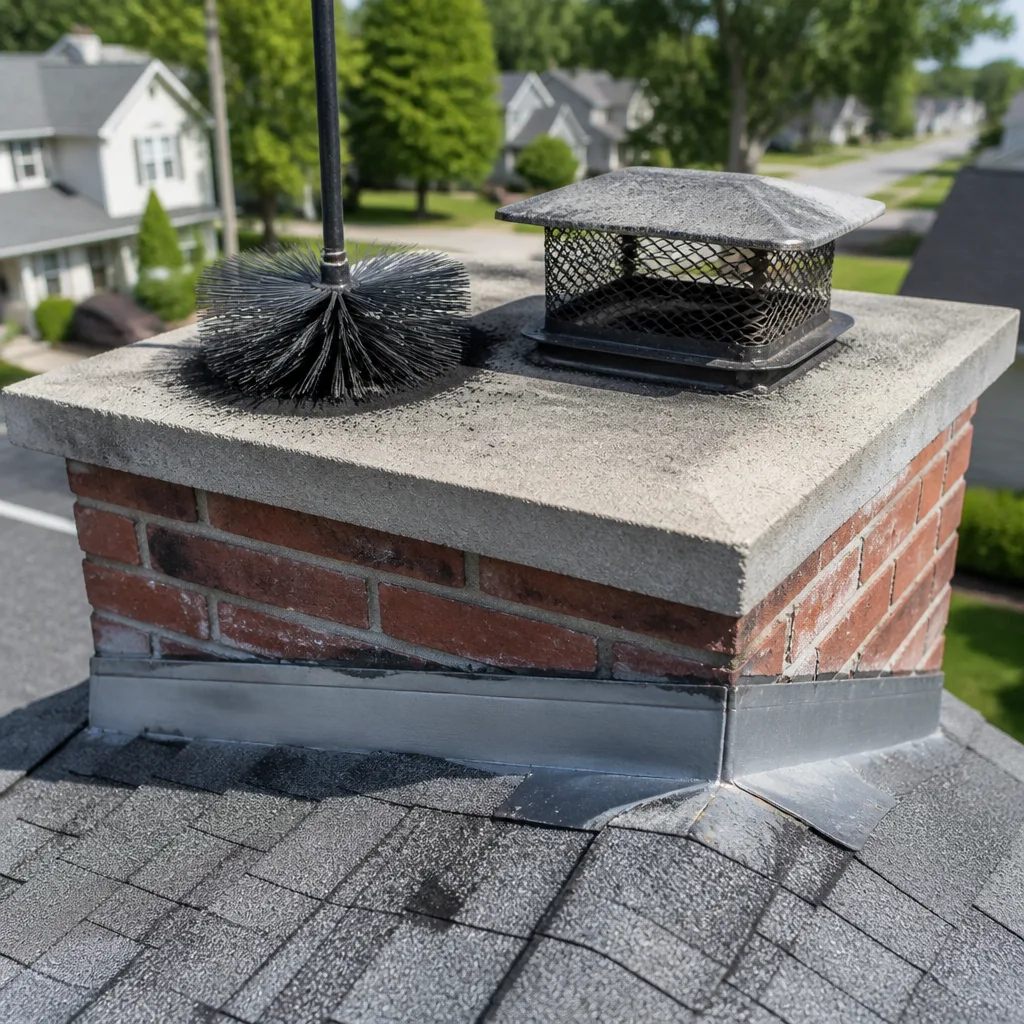 Sweep & inspection
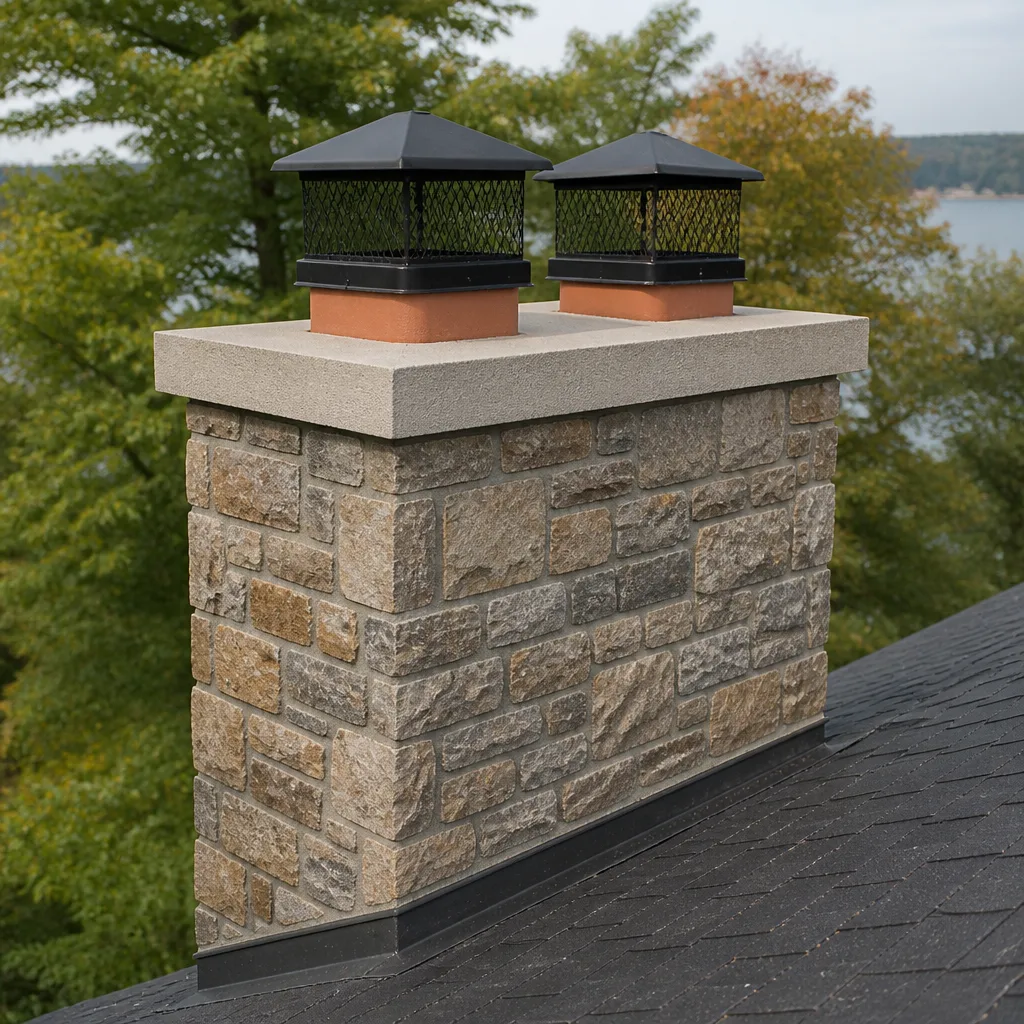 Caps & crowns
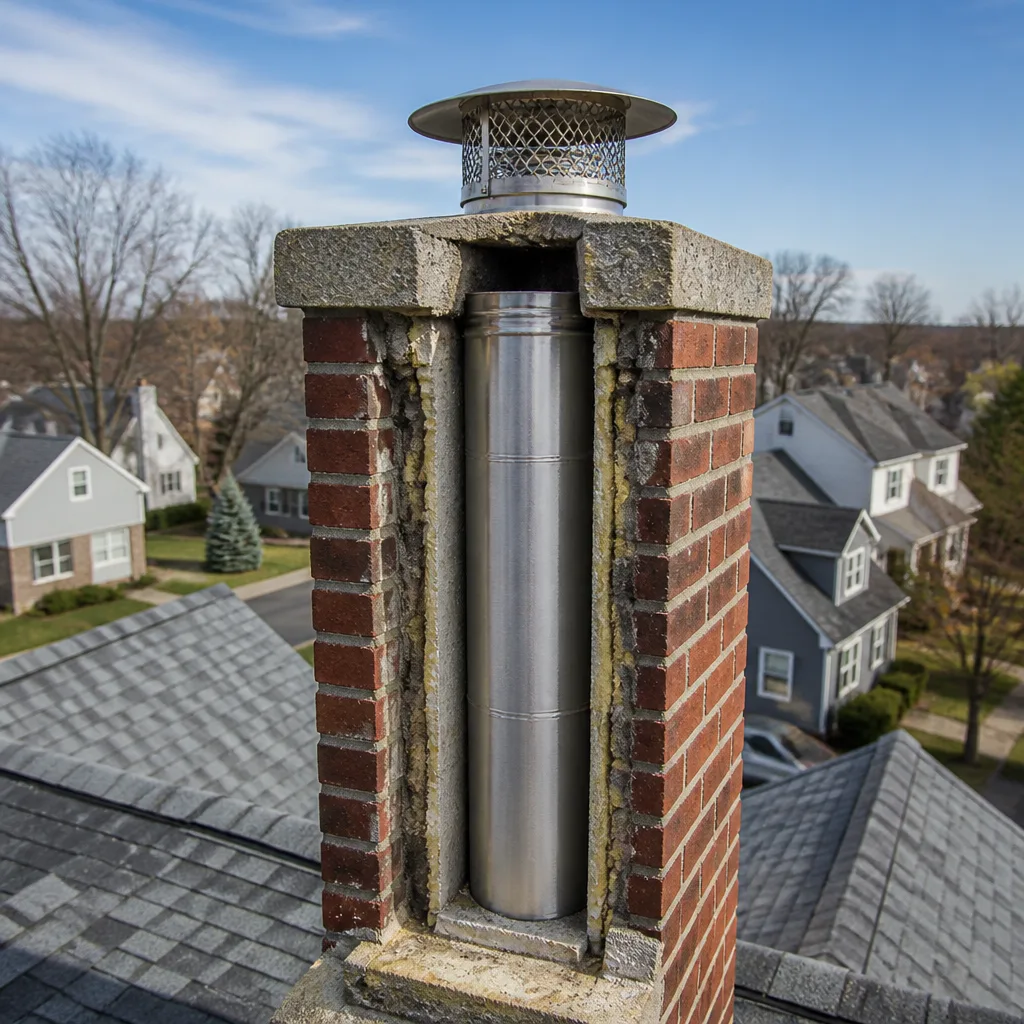 Flue relining
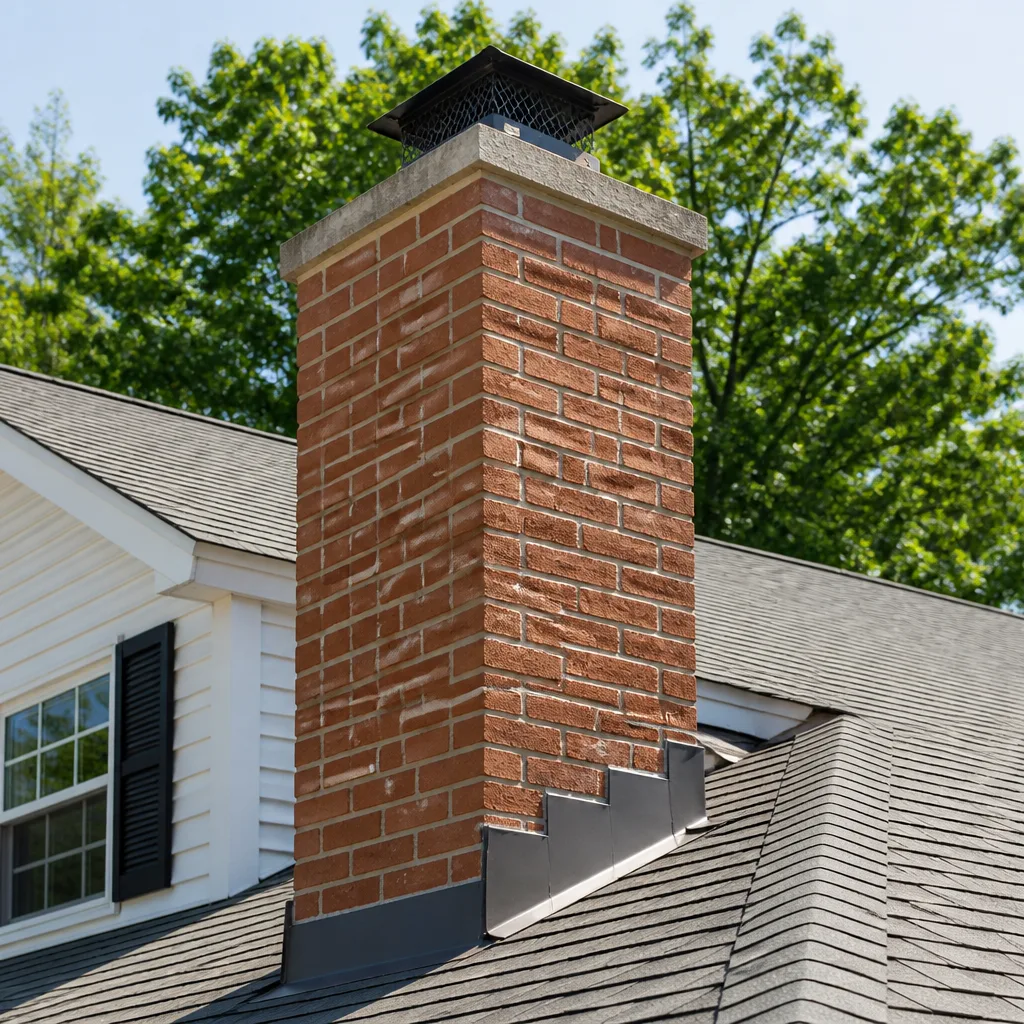 Masonry repair
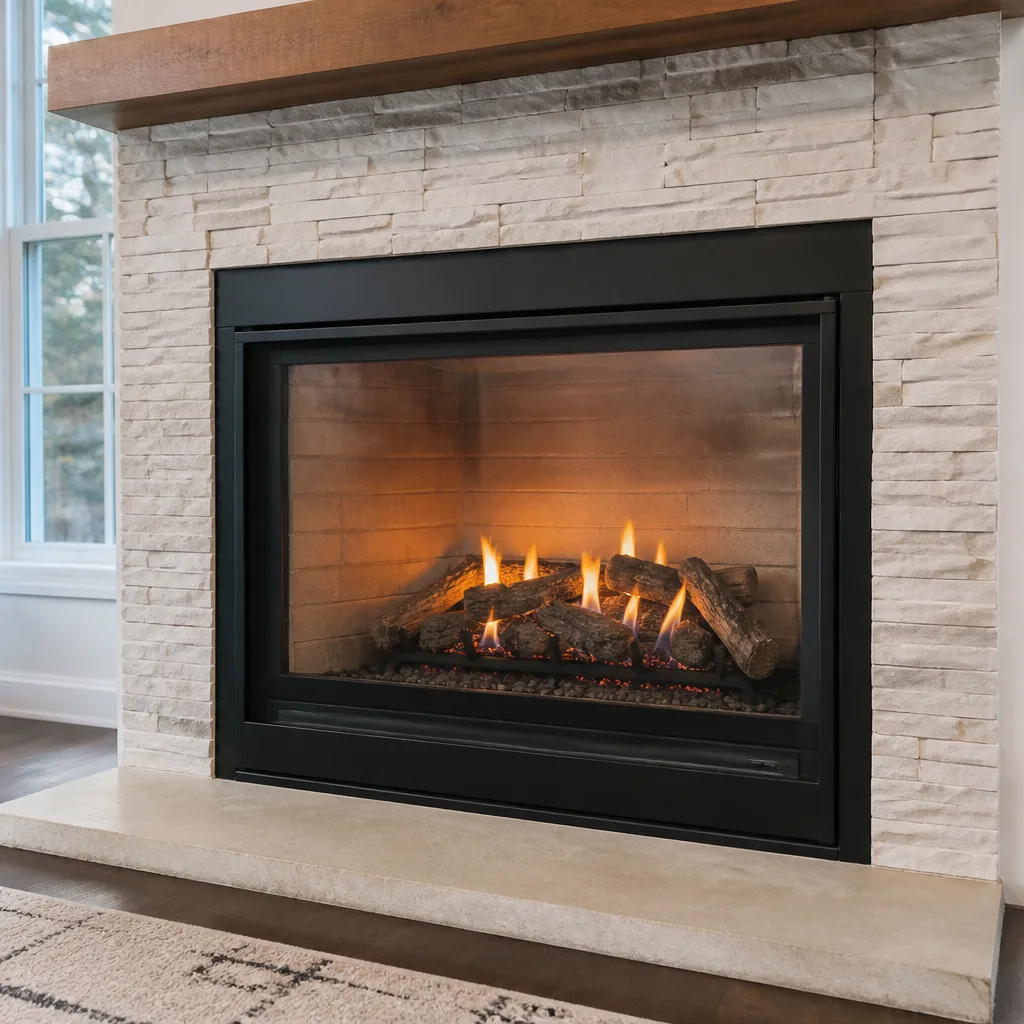 Gas fireplace service
Level 1 sweep and inspection to the NFPA 211 annual standard - flue, crown, cap, and flashing checked and photographed
Chimney sweep logs do not sweep chimneys. They loosen some creosote - which then falls where a brush and vacuum still have to collect it.
Chimney Cleaning Permits, Codes & Inspections in Chandler, AZ: What You Need to Know
Most homeowners assume the paperwork side of chimney work is somebody else’s problem. Here’s the part that surprises people: cleaning a chimney in Chandler doesn’t require a permit, but the moment a sweep finds a cracked flue, a failing liner or a damaged firebox, the repair that follows usually does. Plenty of contractors skip that step, and the person legally holding the bag for unpermitted work is the homeowner, not the contractor who skipped it. This guide walks through what needs a permit in Chandler, how the national chimney code meets local rules, what you can verify before you buy a house with a fireplace, and why an insurance claim can stall when prior work was never inspected.
Quick Answer
In Chandler, routine chimney sweeping and inspection are maintenance and generally don’t require a building permit. Structural repairs, liner replacements, firebox rebuilds and any work that alters the venting system usually do require a permit from the City of Chandler. Repair work is inspected against NFPA 211 and the fireplace and chimney provisions of the International Residential Code as Chandler adopts them, and the homeowner carries the liability if a contractor does the work without pulling one.
Styles & brands we work with
- Sweep & inspection
- Caps & crowns
- Flue relining
- Masonry repair
- Gas fireplace service
Table of Contents
- Does chimney cleaning require a permit in Chandler?
- Which chimney services need a permit and which don’t
- NFPA 211 and IRC Chapter 10: how they work in Chandler
- What an inspection actually covers
- How to verify permit status on prior chimney work
- How to ask a contractor about permits
- The insurance angle on unpermitted repairs
- Common mistakes to avoid
Does chimney cleaning require a permit in Chandler?
No. Sweeping a chimney is maintenance, and maintenance is exempt from permitting. You don’t need a permit to have creosote removed, to have the flue brushed, or to have the firebox vacuumed out. A chimney sweep in Chandler can come out, run a camera, clean the flue and hand you a report without any interaction with the city.
The line gets crossed when the work changes something structural. A permit is generally required when a job involves:
- Replacing a flue liner, whether clay tile or stainless steel
- Rebuilding or resurfacing a damaged firebox
- Repairing or replacing a chimney crown or the masonry above the roofline
- Altering the height or shape of the chimney
- Connecting a new appliance to an existing flue
- Removing a chimney and closing the roof penetration
These jobs affect how the house vents smoke and carbon monoxide, which is why the city wants to see them. A cleaning that finds nothing wrong stays on the maintenance side of the line. A cleaning that finds a cracked liner moves the job into permit territory. That’s the fork in the road most homeowners don’t see coming.
We diagnose, we clean, we repair. When a sweep on a Chandler home turns up a liner or firebox problem, we tell the homeowner what needs a permit and what doesn’t before any work gets scheduled.
Which chimney services need a permit and which don’t
This is the quick-reference version. If you’re weighing a bid, sort the scope of work against these two columns.
| Service | Permit status in Chandler |
|---|---|
| Annual chimney sweep and visual inspection | No permit |
| Level 2 camera inspection | No permit |
| Creosote removal and flue brushing | No permit |
| Cap replacement | Typically no permit (matches existing footprint) |
| Chimney crown repair or rebuild | Usually a permit |
| Flue liner replacement | Permit required |
| Firebox rebuild or resurfacing | Permit required |
| Chimney height change or removal | Permit required |
| Drafting or venting changes | Permit and inspection required |
Two things to keep in mind about that table. First, every job is judged on its actual scope, so a contractor who tells you “crown work never needs a permit” is either wrong or avoiding the question. Second, even permit-exempt work still has to follow code. Sweeping doesn’t need a permit, but a sweep that leaves the flue in an unsafe state doesn’t pass the professional standard either. We work with brands like DuraFlex and Copperfield on liner work because the materials are what the inspector will check against the manufacturer’s listing.
NFPA 211 and IRC Chapter 10: how they work in Chandler
Two code documents govern chimney work in Chandler, and they overlap. NFPA 211 is the national standard for chimneys, fireplaces, vents and solid-fuel appliances. IRC Chapter 10 is the fireplace and chimney chapter of the International Residential Code, which is the model code Arizona and Chandler build on. Chandler amends and adopts that code locally, so the version on the books is what a permit reviewer actually applies.
Where they intersect matters for inspections:
- NFPA 211 sets the inspection standard. The Level 1, 2 and 3 inspection framework comes from NFPA 211. When a sweep tells you a Level 2 inspection is needed, that reference has a specific meaning, not just a sales pitch.
- IRC Chapter 10 sets construction requirements. Flue liner materials, clearance to combustibles, chimney height above the roofline and hearth extension dimensions all come from the IRC.
- Chandler’s local amendments decide the details. Adopted local code may tighten or adjust the model code. A contractor who only knows the national standard is guessing on the local details.
In our experience, most of the failed inspections around Chandler come down to clearance and liner condition, not exotic code provisions. A liner replaced with the wrong gauge, a firebox rebuild that narrows the opening dimensions, or a crown that shifts water onto the flue: those are the common problems. Using listed products like Olympia Chimney and Famco supports compliance because the inspector can reference the listing and the installation instructions during the permit review.
If you don’t know whether work on your house was inspected, this is where a Level 2 camera inspection pays for itself. We can read what’s actually inside the flue, and you’ll see the footage yourself.
What an inspection actually covers
Chimney inspections are graded by level, and each level answers a different question. Here’s what each one does:
- Level 1 inspection. A visual check of the firebox, damper, flue and any accessible appliance connections, done with the chimney in normal service. No camera. Best when nothing has changed.
- Level 2 inspection. Everything in Level 1 plus a camera survey of the flue interior, the accessible parts of the chimney exterior, and the attic and crawlspace if accessible. Required after a chimney fire, a change of fuel type, a new appliance, or when a home is being sold.
- Level 3 inspection. A Level 2 plus access to concealed areas, which can mean removing part of a chimney chase or wall. Used when the Level 2 inspection turns up a problem that can only be confirmed by opening things up.
Almost every Chandler home we inspect during a sale or after a chimney fire lands on Level 2. It’s the most useful single inspection for a homeowner who needs proof rather than reassurance.
The report matters as much as the inspection. A good one shows you photographs of the flue interior, notes any cracks or gaps, and recommends work in plain terms. If a sweep can’t show you what he found, you have no way to verify anything.
One safety note: don’t put a camera or your hand into a flue that’s hot, and never assume a firebox is safe to open if there’s a smell of gas. A trained technician handles both safely. The right move is to stop and let someone qualified look.
How to verify permit status on prior chimney work
If you’re buying a Chandler home with a fireplace, prior chimney repair is worth checking. Here’s the sequence we’d follow if it were our own house:
- Ask the seller for the permit history. Any liner or firebox replacement should have a permit record with the City of Chandler.
- Call the city’s building department. Ask for permit records tied to the property address, not the contractor. The records belong to the property.
- Check the inspection sign-off. An open permit with no final inspection is a red flag, even if the work looks complete.
- Request a Level 2 inspection before closing. A camera survey is the only way to see whether the liner was installed correctly.
- Document what you find. Keep photos and the inspection report with the closing paperwork.
The tricky part is that unpermitted work often looks fine. A liner installed without a permit can still be installed correctly. It can also be undersized, improperly sealed or made from the wrong material, and none of that shows up without a camera. In our experience, the homes with the worst hidden problems are the ones where the paperwork is thin.
For buyers in Chandler, this is where a routine dryer vent cleaning visit can double as an opportunity to look at the fireplace, since both involve the same flue and venting questions.
How to ask a contractor about permits
The conversation you have before the job starts is where unpermitted work either happens or doesn’t. Ask these three questions directly:
- “Will this repair require a permit?” A knowledgeable contractor answers this without hesitation. A vague answer is a warning.
- “Will you pull it, or am I pulling it?” The contractor should take responsibility for the permit application. A homeowner who pulls a permit for a contractor’s work has no oversight of what gets done.
- “Can I see the inspection sign-off when it’s done?” A contractor who resists this question is a liability, not a convenience.
There’s one more to add: ask what the inspection will check. A contractor who can name the clearance, the liner listing and the firebox dimensions knows what an inspector looks for. One who can’t, doesn’t.
A contractor who pushes back on pulling permits is saving their own time, not yours. The risk lands on you when the work is later inspected and found non-compliant, or when an insurer asks for documentation after a chimney fire. If you can’t get a straight answer from whoever you hire, call us instead. We work through repairs with the paperwork handled properly.
The insurance angle on unpermitted repairs
Unpermitted chimney work can complicate an insurance claim. It can also, depending on the policy language and the facts, void coverage for the loss. The logic is straightforward: the insurer wants to know the work was done to code and inspected. If the fire starts in a flue with an unpermitted liner replacement, the insurer will ask who replaced the liner, with what, and whether a permit was pulled.
Here’s what happens when those questions land:
- The insurer requests the permit record. If none exists, the claim gets flagged.
- An adjuster arranges a cause-and-origin investigation, which slows the claim and sometimes drags out for weeks.
- The insurer may deny the claim if the unpermitted work clearly caused or contributed to the loss.
- Even if the claim is paid, the homeowner has an unpermitted repair to resolve before selling the home.
The most common scenario in Chandler is a liner replacement done years before the current owner moved in. The current owner has no idea there’s a problem until a chimney fire happens or a buyer’s inspector finds it. That’s why we always recommend keeping the inspection report and the permit documentation with the property records.
Common Mistakes to Avoid
- Assuming cleaning covers repairs. Cleaning doesn’t need a permit, but a repair discovered during the cleaning usually does. Homeowners assume “I had it cleaned” means “I’m covered.” It doesn’t.
- Hiring a handyman for liner work. Generalists often skip permits because they don’t know the requirements. Use a contractor who works with listed liner products like DuraFlex and can name the code provisions being met.
- Pulling your own permit for a contractor’s job. If a contractor asks you to pull the permit, you’re carrying the liability for work you’re not doing and can’t oversee.
- Skipping the Level 2 inspection at sale. A visual check isn’t enough. In our experience, this is the single most common way Chandler homeowners end up with a fireplace they don’t know the true condition of.
- Ignoring the inspection report because “the fire still works.” A fire that draws well can still have a cracked flue. Working fires don’t guarantee a compliant chimney.
- Not keeping the paperwork. If you can’t produce the permit record and inspection sign-off when you sell, you’ll be explaining it instead of handing it over.
- Assuming the city will catch it. The city inspects work that’s permitted. Unpermitted work sits unnoticed until a sale, a claim or a problem forces it into view.
See the difference
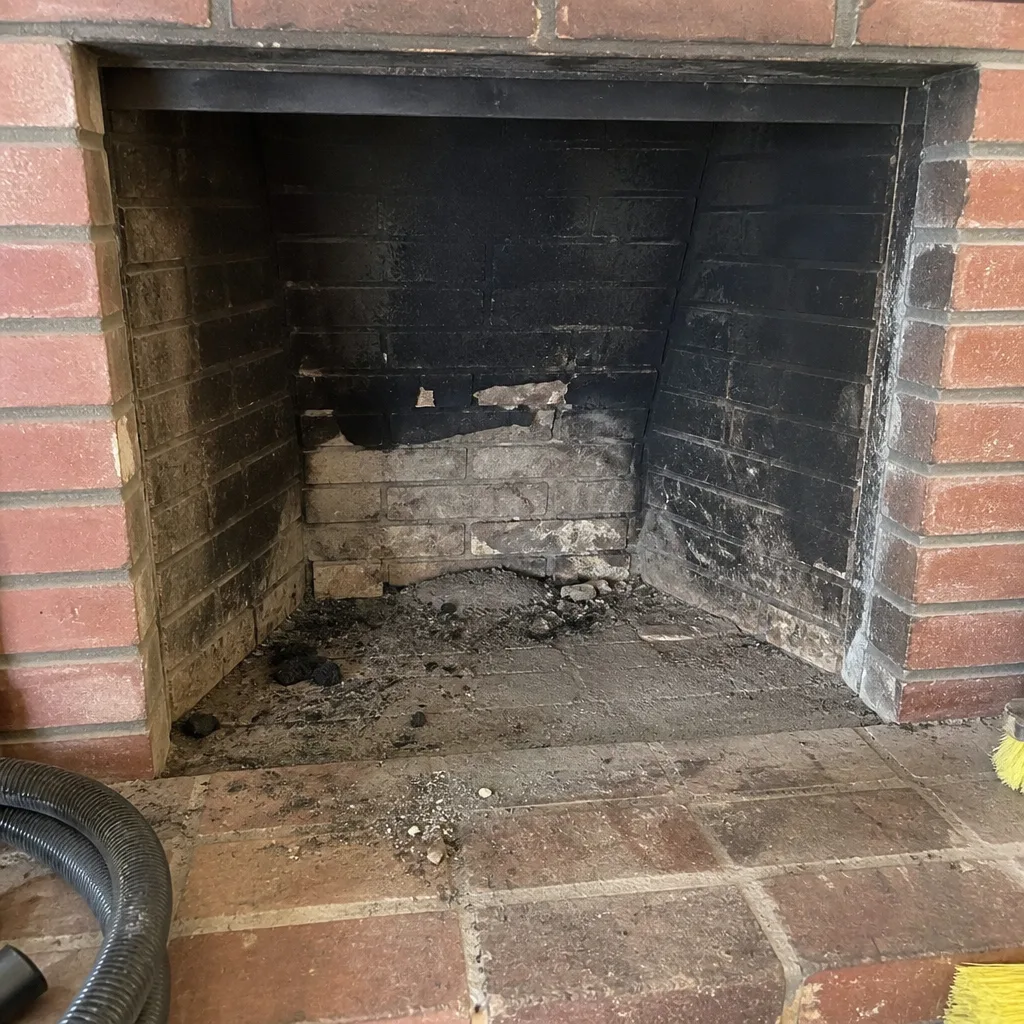 Before
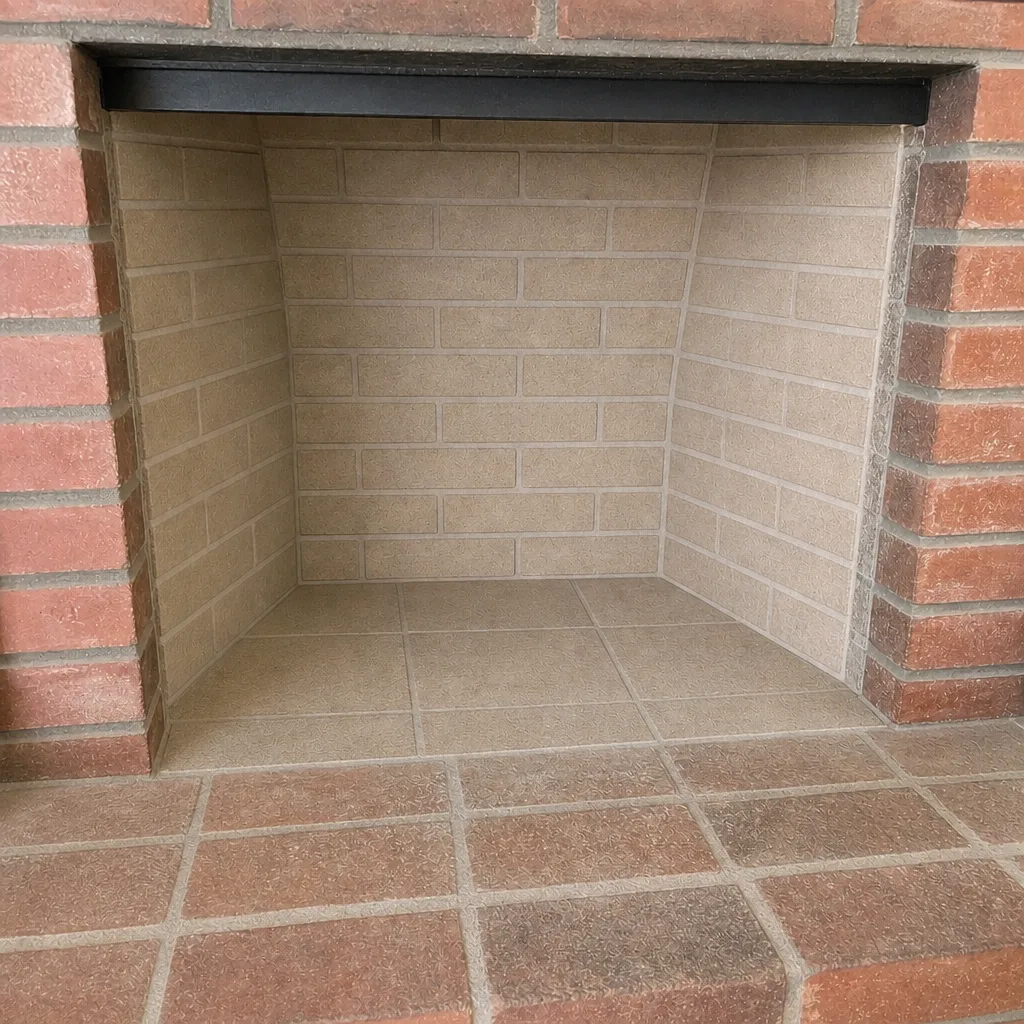 After
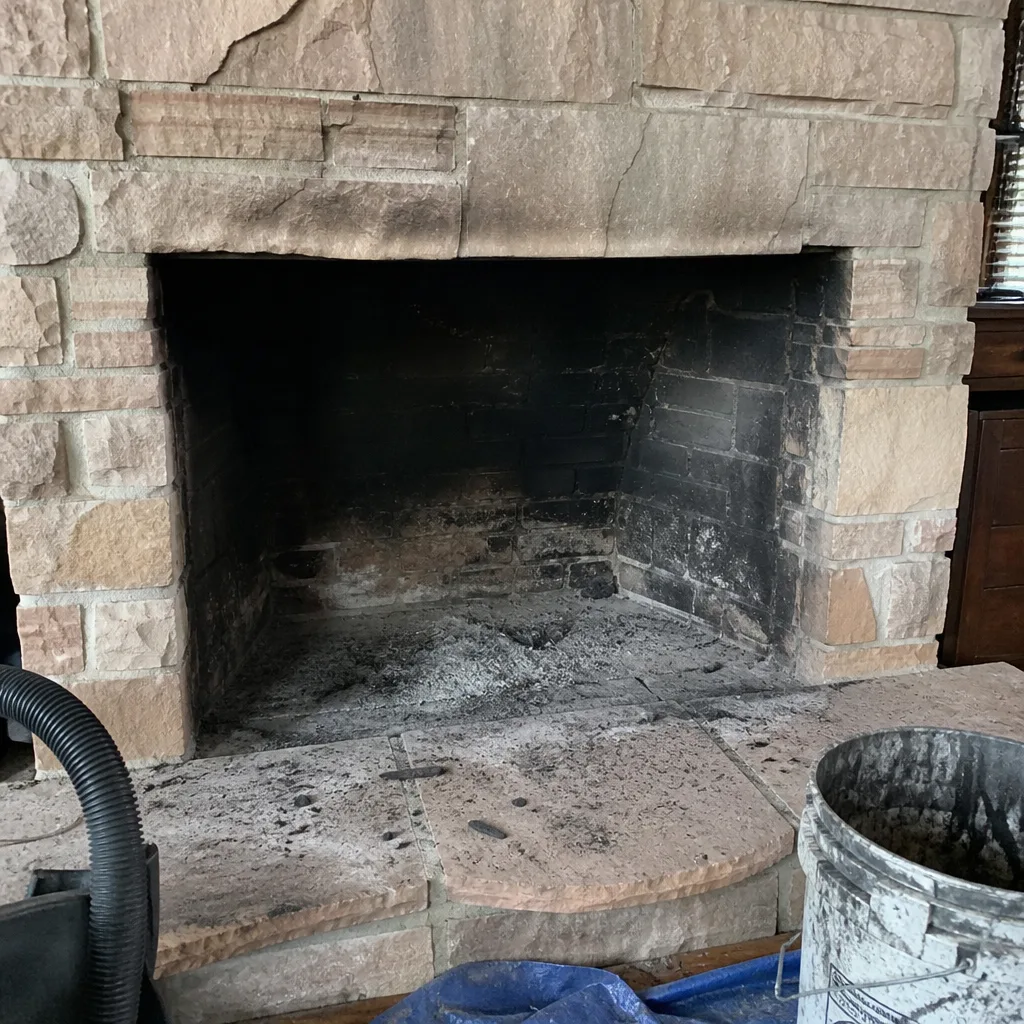 Before
 After
 Before
 After
When to Call a Professional
Call a professional before you buy or sell a home with a fireplace, after a chimney fire, when you’ve had a liner or firebox repaired and aren’t sure a permit was pulled, or when a chimney sweep tells you there’s a problem but can’t show you the evidence. If you’re in Chandler and need to verify what’s actually inside the flue, we can help. Chandler Chimney Sweep offers free estimates in Chandler – call (855) 664-1862. We answer 24/7, and we can talk you through what the paperwork should look like.
Frequently Asked Questions
No. Routine chimney sweeping and inspection in Chandler are maintenance and don’t require a building permit. Repairs to the liner, firebox or chimney structure do, so a cleaning that turns up a problem crosses into permit territory. Call (855) 664-1862 for an exact quote – estimates are free.
Not automatically. A liner needs replacing when a camera inspection shows cracking, gaps, misalignment or damage that affects the flue’s ability to vent safely. Nothing should be recommended without camera evidence you can see for yourself. If the liner is sound, it can safely wait. Call (855) 664-1862 for an exact quote – estimates are free.
A standard sweep and inspection in Chandler is typically an estimated range of $180 to $340, varying with chimney height, accessibility and whether a Level 2 camera inspection is included. The written estimate sets the final price. Call (855) 664-1862 for an exact quote – estimates are free.
Chimneys used regularly should be swept annually, and wood-burning fireplaces that get heavy use may need more frequent cleaning depending on creosote buildup. An inspection each season catches problems before they turn into repairs. Call (855) 664-1862 for an exact quote – estimates are free.
Skipping an annual inspection lets creosote accumulate, and creosote is the fuel a chimney fire burns. It also lets small cracks and gaps go unnoticed until they turn into an expensive repair. Call (855) 664-1862 for an exact quote – estimates are free.
Yes. Permit records belong to the property, not the contractor, so you can call the City of Chandler building department and ask for permits issued at the property address. Pair that with a Level 2 camera inspection before you close. Call (855) 664-1862 for an exact quote – estimates are free.
The Bottom Line
Cleaning is maintenance and doesn’t need a permit. Liner replacement, firebox rebuilds and structural chimney repairs do. The gap between those two positions is where problems live, because unpermitted work can look fine, pass a casual eye, and still surface in a home sale or an insurance claim years later. Verify permit history before you buy, ask any contractor straight out whether they’ll pull the permit, and keep the paperwork. Our technicians have up to 12 years of experience reading exactly this kind of situation. Call Chandler Chimney Sweep at (855) 664-1862. We answer 24/7. Fast dispatch from 7am to 7pm, Sunday through Friday.
Written by the team at Chandler Chimney Sweep.