
Last updated November 15, 2026
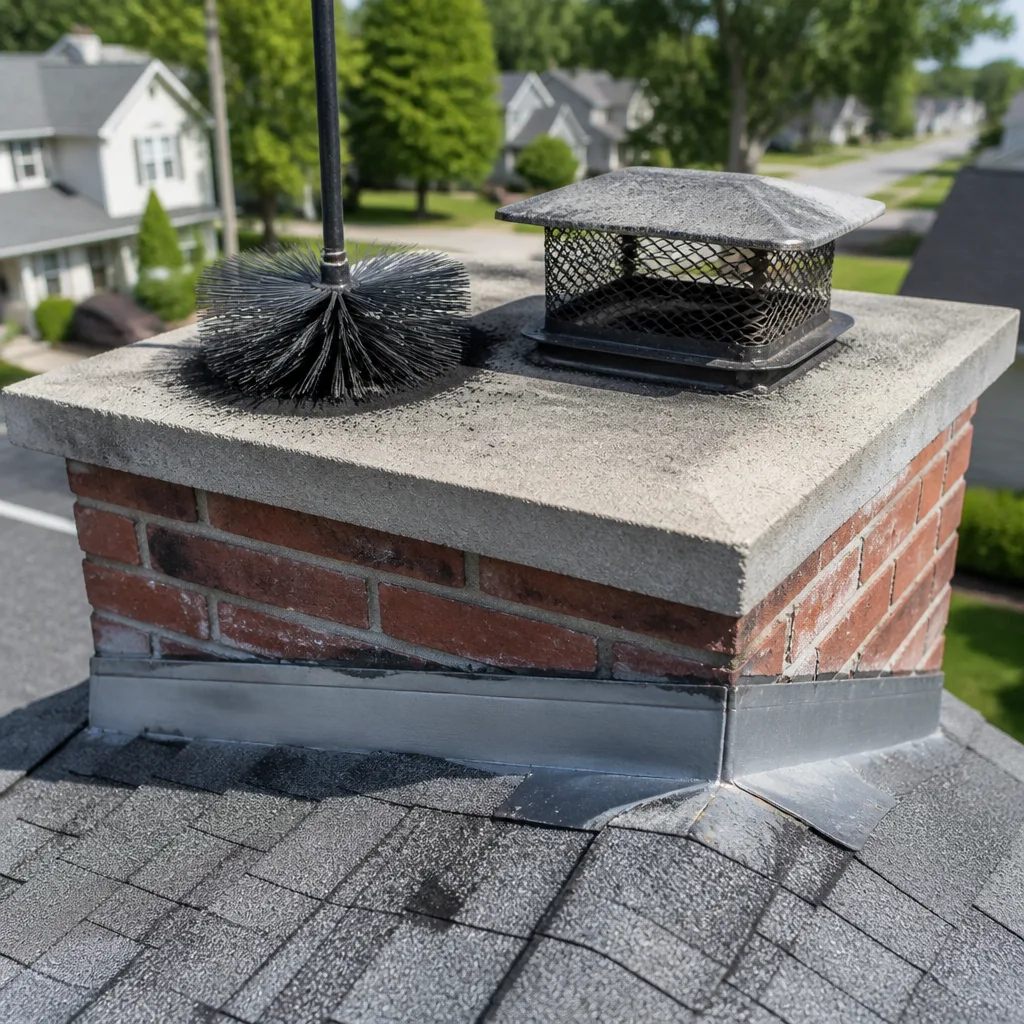 Sweep & inspection
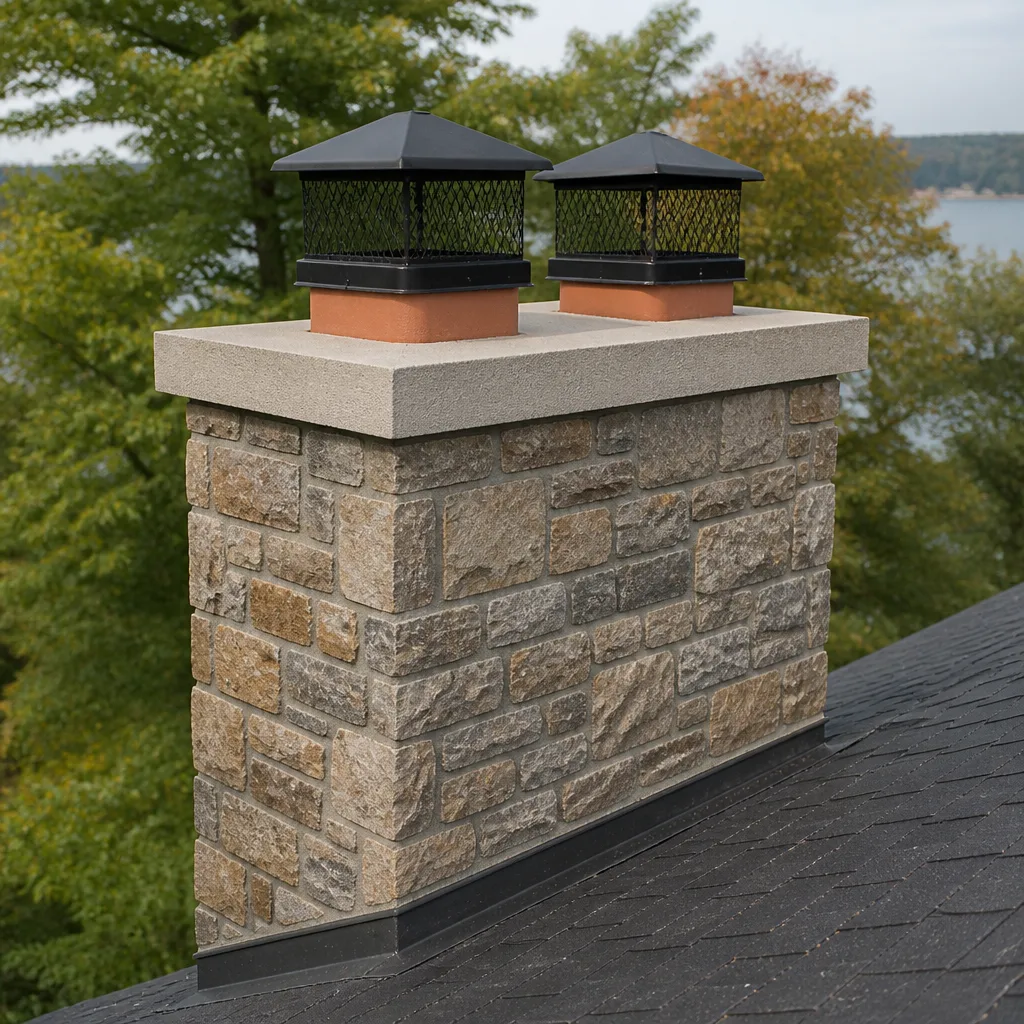 Caps & crowns
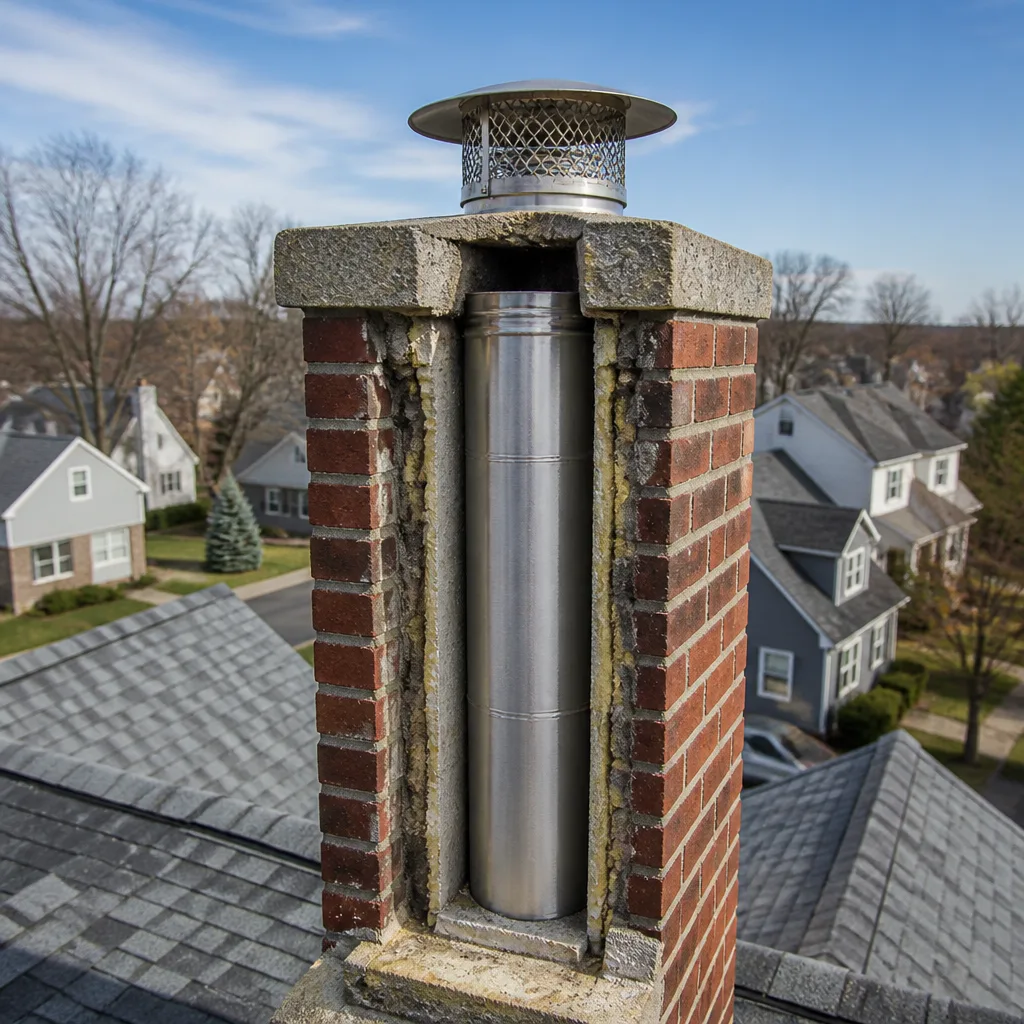 Flue relining
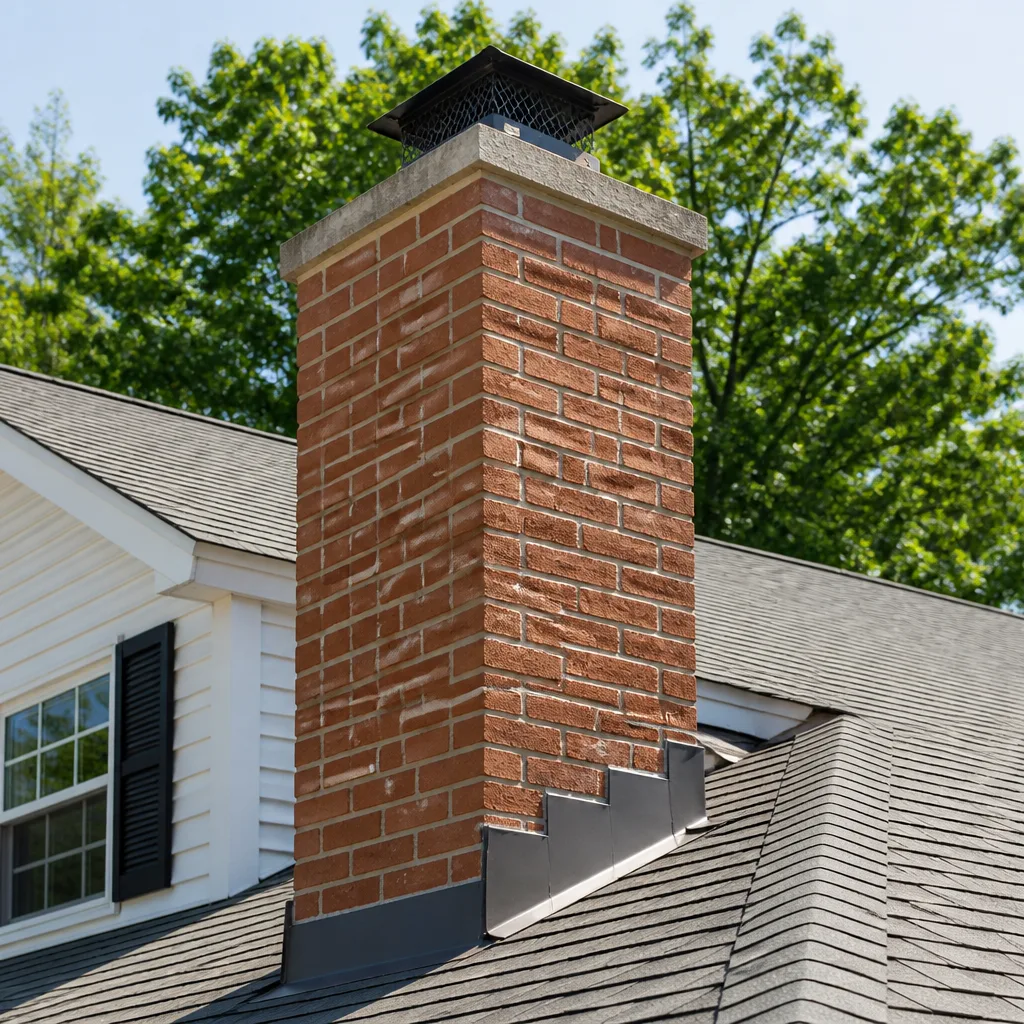 Masonry repair
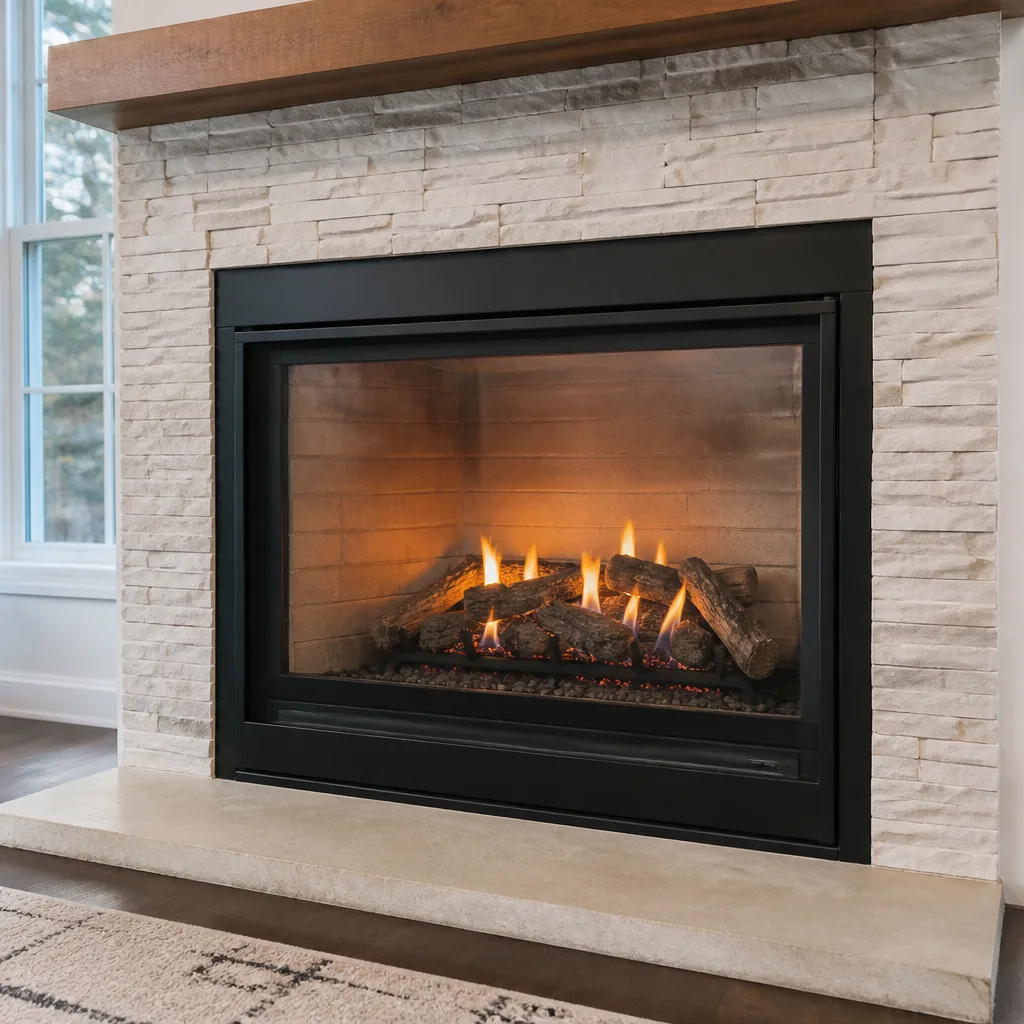 Gas fireplace service
Level 1 sweep and inspection to the NFPA 211 annual standard - flue, crown, cap, and flashing checked and photographed
Chimney sweep logs do not sweep chimneys. They loosen some creosote - which then falls where a brush and vacuum still have to collect it.
Chimney Cleaning Warning Signs: A Chandler Homeowner’s Reference Guide
Most chimney warning sign articles describe problems that are already emergencies. That’s backwards. Long before a flue is choked with creosote or a liner is cracked through, your chimney gives off quiet signals that something is drifting out of balance. A faint smoky smell on a hot afternoon. A dull thud when the wind kicks up. A hairline crack in the stucco at the base. In Chandler, where fireplaces sit idle through long stretches of warm weather and then get worked hard when the calendar turns, those early signals matter more than ever. This guide teaches you to read them while there’s still time to act on your own schedule. We’ll show you what’s normal and what’s not.
Quick Answer
The earliest chimney warning signs in Chandler are usually a smoky smell when the fireplace is off, weak draft that pushes smoke into the room, soot or dark staining near the firebox, and water marks or stucco cracking at the exterior base. Any of these means it’s time for an inspection, not a wait-and-see. Sound, smell, and draft changes are the signals homeowners most often dismiss, yet they’re the ones that point to early problems you can still fix without a major rebuild.
Styles & brands we work with
- Sweep & inspection
- Caps & crowns
- Flue relining
- Masonry repair
- Gas fireplace service
Table of Contents
- Warning Signs You Can Read from Inside the House
- Warning Signs You Can See from Outside the House
- What a Draft Problem Feels, Sounds, and Smells Like
- Chandler-Specific Warning Signs: Pests, Monsoon Water, and Stucco
- Sound and Smell Cues Homeowners Mistake for Normal
- A Severity Guide: Monitor, Schedule Soon, or Call Now
- The Dryer Vent Warning Signs You’re Probably Ignoring
- Common Mistakes to Avoid
Warning Signs You Can Read from Inside the House
Start your walkthrough indoors. It’s the safest place to look first, because you’re not climbing onto a roof or leaning over a cap, and it’s where the earliest clues tend to appear. A firebox and flue that are working properly leave little trace you can detect by eye. When something shifts, the interior shows it first.
Check these in order, from the fireplace outward:
- Soot on the firebox walls. A light, even dusting is normal. Thick, glossy black buildup, or soot creeping up and out onto the face of the fireplace, suggests draft trouble or a flue restriction.
- Creosote texture. Creosote goes from light and flaky to crusty and brittle to a slick, glazed coating. The glazed stage is harder to remove and burns hotter, which makes it worth a professional sweep well before it forms.
- Dark staining above the firebox. A smoky shadow on the wall or mantel is the mark of smoke escaping the box instead of going up the flue.
- Water in the firebox. Any moisture or rust inside the box after rain points to a cap, crown, or flashing problem letting water in from above.
- Loose or powdery mortar at the joints. Brick joints that crumble when you touch them signal moisture and age. Do not test this by force; note what you see.
- The damper’s movement. It should open and close freely. A sticky or jammed damper may be warped or blocked.
Note what you find and photograph it. In our experience, homeowners who bring a phone full of firebox photos get a clearer, more useful conversation than those trying to describe a smell. If nothing on this list surprises you, you’re likely in good shape. If one or two items jump out, that moves you toward the next section’s outside checks.
Warning Signs You Can See from Outside the House
The exterior of a Chandler chimney tells a different story than the interior. Where the inside shows you what’s happening with combustion, the outside shows you what the weather and time are doing to the structure itself. You can read most of this from the ground with a pair of binoculars, and you should never stand on a roof to look. Height work is a job for a trained professional, no exceptions.
Stand back and examine the chimney from several angles. Then look for these:
- Cracked or missing chimney cap. The cap keeps rain and animals out. A missing or rusted-through cap is an open door.
- Spalling brick. Brick faces that are flaking, pitted, or peeling off in layers mean the masonry is absorbing water and breaking down.
- Stucco cracks at the base. In Chandler, stucco is the finish on most homes, and a crack where the chimney meets the wall is worth watching. A true chimney problem often shows as hairline cracks that widen over the seasons.
- Crown damage. The concrete crown at the very top is the chimney’s umbrella. A cracked crown lets water into the flue.
- White, chalky stains. Efflorescence on masonry means moisture is moving through it. Moisture movement means the structure is working against itself.
- Rust streaks or loose flashing at the roofline. Flashing is the metal that seals the chimney to the roof. When it pulls away, water finds the gap.
- Tilt. A chimney that visibly leans is a serious structural concern and should be checked right away.
Water is the slow enemy of every chimney, and it doesn’t announce itself loudly. Efflorescence and stucco cracking are how it quietly tells on itself. Catching a flashing or crown issue early is the difference between a small repair and rebuilding the top of the chimney. For a broader look at keeping a Chandler chimney sound through the year, the team at our Chandler Chimney Sweep page covers the maintenance picture.
What a Draft Problem Feels, Sounds, and Smells Like
A draft problem is one of the most misunderstood signals in a house. Homeowners often feel the fireplace “isn’t drawing right” and chalk it up to a cold snap or a quirky house. But draft is the entire point of a chimney. If smoke sits, hovers, or drifts into the room, the flue isn’t doing its one job.
Here’s what a draft problem actually feels like:
- Feel: A cold draft from the fireplace when there’s no fire, or a fire that suddenly starts to lag and won’t pull. Sometimes you feel a “puff” of air coming into the room at ignition.
- Sound: A low, hollow rumble when you open the damper, or a popping, rattling noise up the flue that has nothing to do with the fire. Loud whistling or rushing sounds can mean air is moving where it shouldn’t.
- Smell: Stale ash and smoky odor in the room when the fireplace is idle, especially on a hot day. That smoky smell on an afternoon when you haven’t burned a thing is what we call a draft reversal signal, and it often points to a blockage, an animal intrusion, or a compromised liner. It’s worth immediate attention.
The reason draft matters beyond comfort is that a poorly drawing chimney sends smoke, and the gases in that smoke, back into the house. That’s an air quality issue first and a safety concern second. It’s not a quirk of an old house; it’s a signal that the venting is compromised. If you notice any of this, get it looked at, and call (855) 664-1862 if you’d like an inspection booked. We answer 24/7. Fast dispatch from 7am to 7pm, Sunday through Friday.
Chandler-Specific Warning Signs: Pests, Monsoon Water, and Stucco
Some warning signs are universal. Others are shaped by where you live. Chandler’s mild winters, warm summers, and monsoon season create a specific set of pressures on a chimney that you won’t read about in a generic guide.
Pest entry points. Roof rats and starlings are persistent opportunists in Chandler. Both are drawn to an open or damaged flue. Look for:
- A cap that’s missing, cracked, or loose.
- Nesting material visible at the top of the flue from the ground (with binoculars).
- Droppings or debris at the top of the firebox, or a strong, musty animal smell inside the box.
- Scratching or fluttering sounds from the flue, particularly when the house is quiet.
Monsoon water staining. Chandler’s summer monsoon rains arrive with force and sideways wind. That combination finds every weak point on a chimney. Look for dark water stains running down the firebox walls, at the top of the box, or on the ceiling around the chimney. A firebox that’s damp after a storm means water is coming down the flue from above. That’s a cap or crown issue.
Stucco cracking at the chimney base. Stucco finishing swells and contracts over time, and the joint where the chimney meets the home is a natural stress point. A single hairline crack isn’t cause for alarm. A crack that runs, or one that widens, is worth professional eyes. This is also where a restorative material makes the difference. A sweep-only operation can clean and leave; a full-service contractor can act on the diagnosis. HeatShield is the ceramic resurfacing system professionals reach for when a chimney needs structural correction rather than a cosmetic patch, and it’s part of what we use. For repairs, we work with professional-grade products, including Gelco and Olympia Chimney components, because the right materials installed correctly are what hold up through a Chandler summer.
Sound and Smell Cues Homeowners Mistake for Normal
Our ears and noses are the two most underrated diagnostic tools a homeowner has. Certain sounds and smells get dismissed because they’re faint, intermittent, or easy to explain away. Read them correctly and they become early warnings.
Here’s how to interpret the cues that most people ignore:
- A burning smell with no fire. If the house smells faintly of burning when the fireplace is idle, something may be baking off the flue or a nearby component. It can also indicate a draft or blockage problem. Treat any unexplained burning smell as a call-now signal.
- Smoke that lingers in the room. A little smoke at ignition is common; a fire that leaves lingering haze for the whole burn means the draft isn’t pulling. That’s a real problem, not “just how this fireplace is.”
- A musty, damp odor from the firebox. In our trade this almost always traces back to water. It points to a leak from above that has been slowly soaking the masonry.
- A faint animal or ammonia smell. This often means animals have moved in. Starlings and rats both leave their mark.
- Rumbling or rattle-hum from the flue. A hollow, uneven sound when you’re running a fire can mean the venting path is inconsistent.
- Chimney odor returning when it gets humid or hot. A stale chimney smell that returns with warm weather is a hallmark of creosote and soot that’s absorbed moisture and is now off-gassing. It’s a signal that a cleaning is overdue.
Soot and creosote that build up in a flue don’t just sit there; they actively hold moisture from the air, and a flue that stays damp fouls faster. That’s why the smell comes back with a change in the weather. A chimney sweep removes both the deposits and the smell they carry. A clean flue is a safe flue, and we can prove yours is both.
A Severity Guide: Monitor, Schedule Soon, or Call Now
Not every warning sign carries the same weight. Some are worth watching; others shouldn’t wait another burn season. Here’s a plain-language tier system to help you decide how quickly to act. Keep this guide nearby and use it as a quick reference when a signal turns up.
Monitor (keep an eye, note the change):
- A single hairline crack in the stucco at the base.
- Light, even soot dusting in the firebox.
- A faint smoky smell in the house after a fire cools completely.
- A slightly sticky damper that still opens fully.
Schedule soon (book an inspection within the season):
- Efflorescence or spalling brick on the exterior.
- Creosote that’s crusty rather than flaky.
- Water marks in the firebox after rain.
- A cap that’s rusty, cracked, or loose.
- Smoke that lingers in the room for the full burn.
Call now (don’t wait for the next burn):
- An unexplained burning smell with no fire.
- A strong smoke smell on a hot day when the fireplace is idle.
- Visible animals, nesting material, or droppings in the firebox.
- A visible crack in the flue liner, or flue tiles that look broken.
- A chimney that leans, or a crown that’s cracked through.
When in doubt, lean toward the higher tier. An inspection is a low-cost way to find out whether the problem is real, and it beats guessing. High-tension springs and electrical work aren’t part of this list, but the principle is the same: when in doubt, get a trained professional in. Call (855) 664-1862 to book, and the estimate is free.
The Dryer Vent Warning Signs You’re Probably Ignoring
This guide is about chimneys, but there’s a second exhaust line in most Chandler homes that’s an equally real fire risk, and it almost never gets inspected: the dryer vent. Lint accumulates in the duct the same way creosote accumulates in a flue. The difference is that most homeowners never think to look.
The warning signs for a clogged dryer vent are subtle and easy to dismiss:
- Clothes take two cycles to dry instead of one.
- The dryer feels hot to the touch on the outside.
- The laundry room stays humid or smells musty after a load.
- A burning or “hot dust” smell near the dryer.
- Lint visible around the outside vent flap, or the flap doesn’t open fully.
- Debris or nesting material around the exterior vent hood.
A dryer vent cleaning is offered here as a standalone service because it applies to any home, chimney or not. It’s a core part of what we do, not a side offering. If you’ve never had the dryer vent cleaned, the duct is worth a look the next time you notice clothes taking longer to dry. Professional dryer vent cleaning clears lint and debris from the whole run, not just at the two ends. For local context on storm readiness and general home safety in the area, our Chandler page is a good place to start.
Common Mistakes to Avoid
- Waiting for visible smoke damage before acting. By the time soot is staining the wall, the problem has been developing for a while. The early signals covered above are your chance to act sooner.
- Treating a hot-day chimney smell as normal. It isn’t a quirk of the climate. It usually means draft reversal, a blockage, or a liner issue, and it deserves the “call now” tier, not a shrug.
- Climbing on the roof to inspect the cap yourself. Height work on a Chandler rooftop is genuinely dangerous, especially on tile or a pitched roof. Use binoculars from the ground and let a trained professional take the roof side.
- Assuming a chimney sweep and a chimney repair are two separate calls. A sweep-only operation can clean but can’t diagnose and fix structural issues. Working with a single qualified contractor who can clean and repair under one roof avoids the handoff and the guesswork.
- Ignoring the dryer vent because “the dryer still works.” A working dryer can still have a badly clogged vent. Performance doesn’t equal safety. Lint in the duct is a fire fuel regardless of whether the tumbler spins.
- Choosing a sweep based solely on price. A low quote on a cleaning can mask the lack of a real inspection. You want the technician to diagnose what’s going on, not just run a brush.
- Cleaning around a problem instead of correcting it. A cosmetic patch over a failing crown or a swept flue next to a cracked liner doesn’t fix the thing causing the warning sign. Restorative resurfacing with the right material lasts; looking better for a season does not.
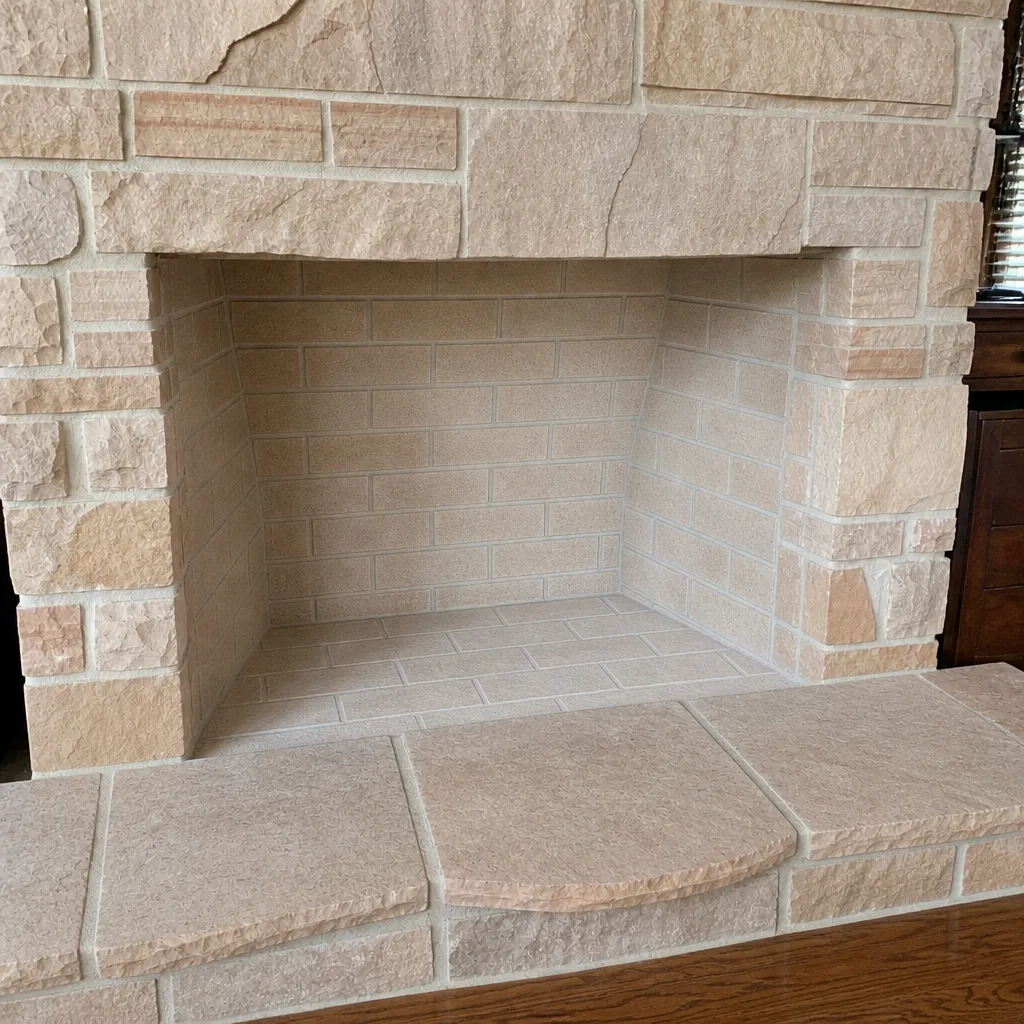
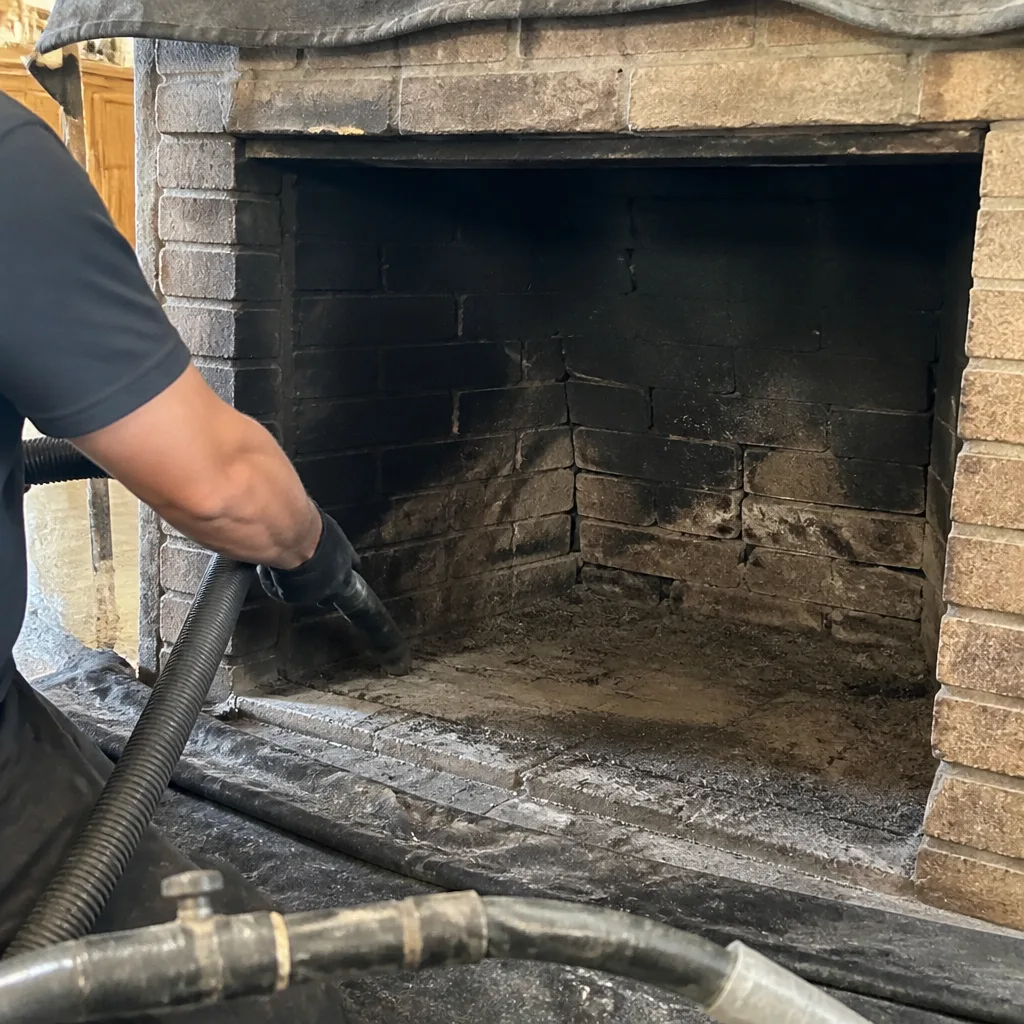
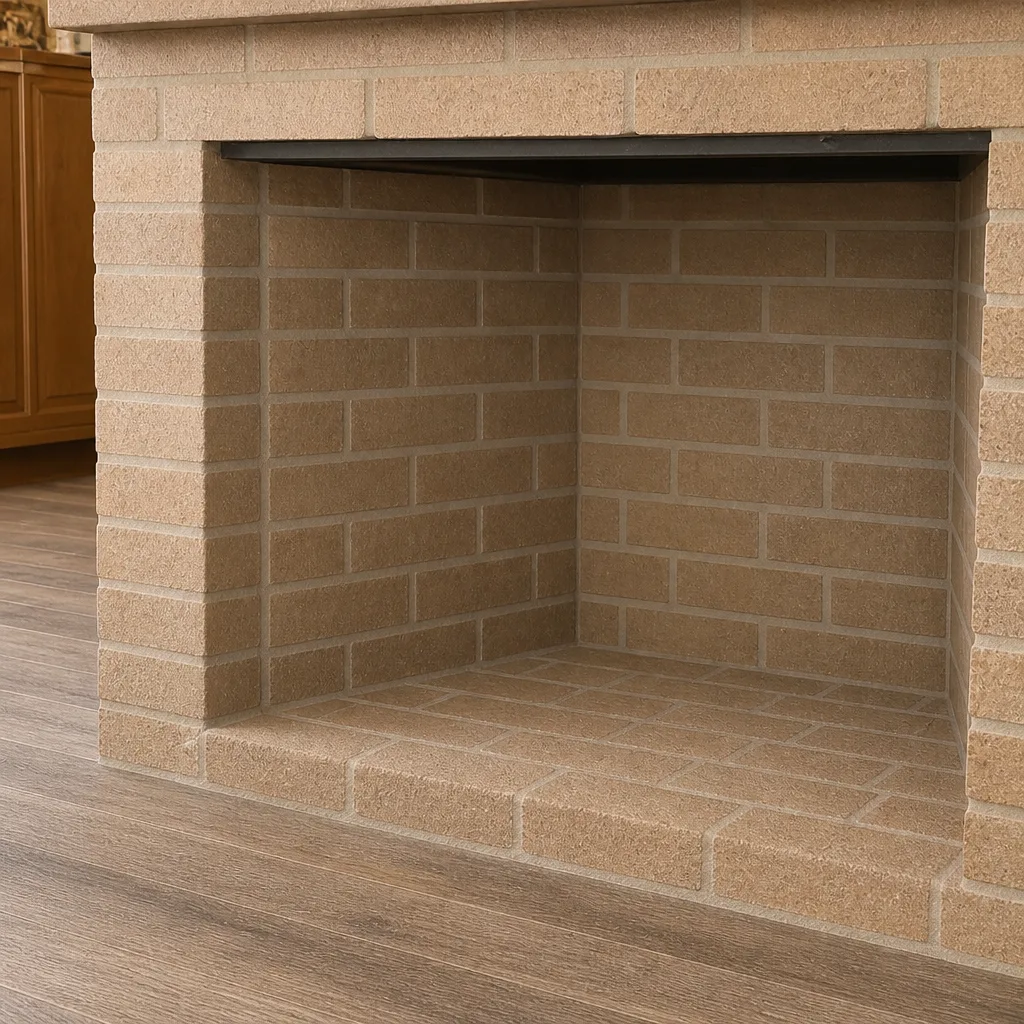
See the difference
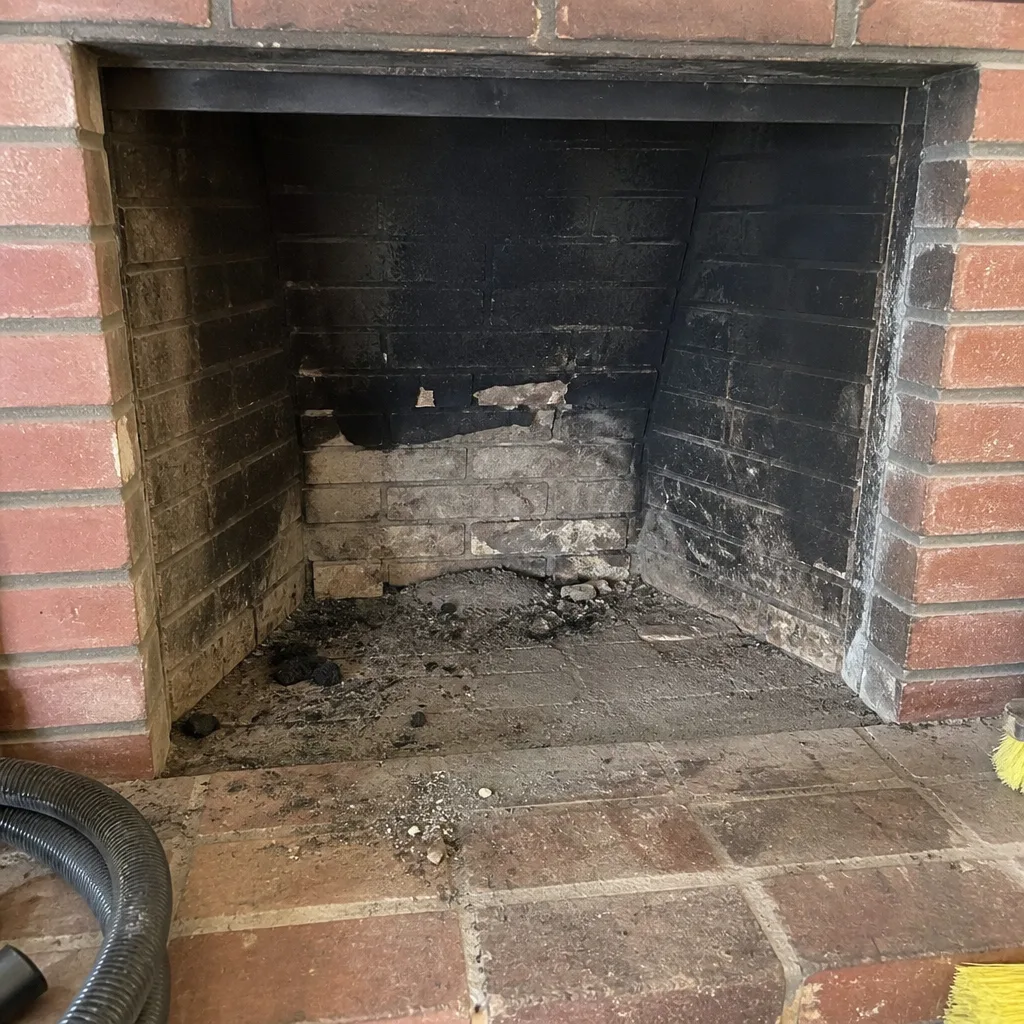 Before
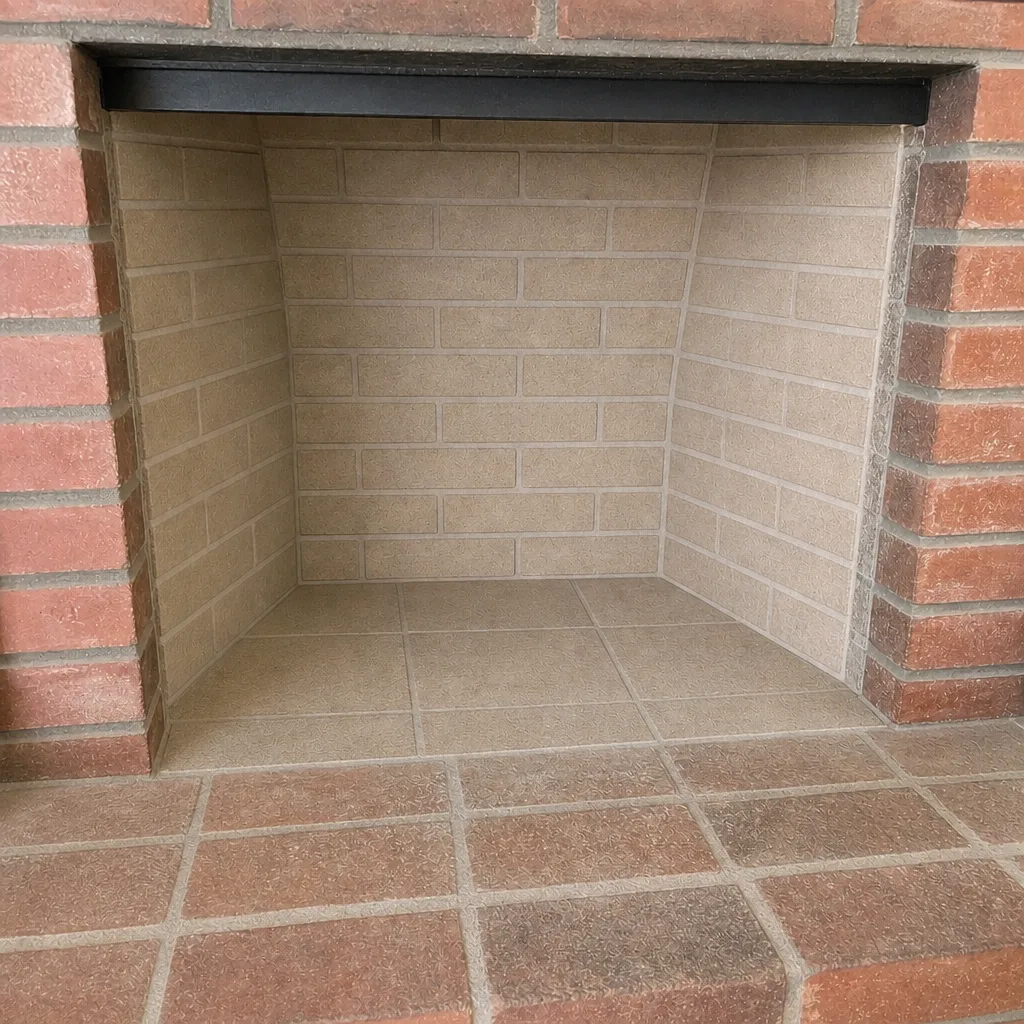 After
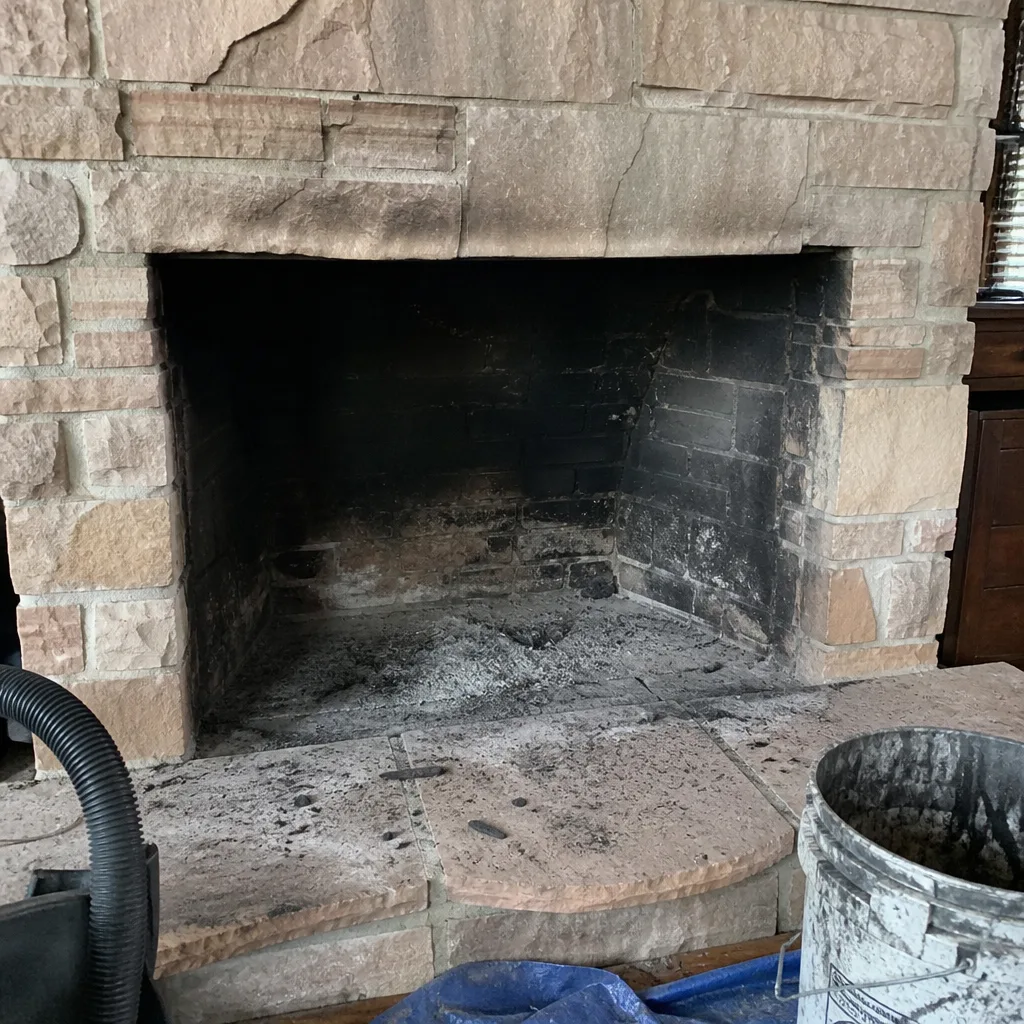 Before
 After
 Before
 After
When to Call a Professional
Bring in a trained professional the moment a warning sign moves out of the monitor tier. Call if you see moisture in the firebox after rain, smell smoke or burning when there’s no fire, hear an animal in the flue, spot a leaning chimney, or notice the stucco crack at the base widening. Call if creosote has gone crusty or glazed, if the cap is loose or missing, or if the fire rarely draws well. And call if you haven’t had a full inspection in some time and simply don’t know what you’re sitting on. In Chandler, our full-service work means we diagnose, we clean, and we repair, without sending part of the job to a second company. Our technicians have up to 12 years of experience, and the estimate is free. Call (855) 664-1862. We answer 24/7. Fast dispatch from 7am to 7pm, Sunday through Friday.
Frequently Asked Questions
The smoky smell in a room when the fireplace is off, especially on a hot day, is often the earliest signal a Chandler homeowner will notice. That draft reversal smell usually points to a blockage, animal intrusion, or liner issue, and it’s worth attention right away. Call (855) 664-1862 for an inspection and a free estimate.
Yes, and that’s why the guide organizes them separately. Interior signs like soot, creosote texture, and water in the firebox tell you about combustion and draft. Exterior signs like cracked stucco, spalling brick, and a damaged cap tell you about the structure and weather exposure. Read both, starting indoors where it’s safer to look. Call (855) 664-1862 if you’re not sure what you’re seeing; estimates are free.
It usually is. A smoky smell in a warm house with no fire can be a draft reversal signal, and it often points to a blockage, animal intrusion, or a failing liner. It belongs in the “call now” tier, not the wait-and-see tier. Call (855) 664-1862 to get it checked.
Look for dampness or rust inside the firebox after a storm, dark water tracks running down the firebox walls, or a musty smell from the box. On the outside, dark staining, efflorescence, and stucco cracking near the base all point to moisture. Calling for an inspection is the reliable way to find out for certain; estimates are free. Call (855) 664-1862.
Yes. Roof rats and starlings are the most common culprits in Chandler, and both will enter through a missing or damaged cap. They bring nesting material and droppings, which both obstruct the flue and create a fire risk. A secure cap and a routine inspection are the fix. Call (855) 664-1862 to get it set up.
It does, and they look different from chimney signs. Clothes that take two cycles to dry, a hot dryer, a musty laundry room, and lint around the exterior vent are all signals of a clogged vent. It’s worth a look even if you have no chimney. Call (855) 664-1862 to book a dryer vent cleaning; estimates are free.
A fireplace can work fine while something is quietly failing. Treat the warning sign as the information, not the performance. Use the severity tiers in this guide to decide whether to monitor, schedule soon, or call now, and when in doubt, book the inspection. Call (855) 664-1862; the estimate is free.
The Bottom Line
The real value in this reference guide is timing. The warning signs that matter most are the ones that appear while a problem is still small: a smell, a sound, a hairline crack, a bit of soot. Read them early and you have choices. Ignore them and the choices narrow. In Chandler, watch for pest entry points, monsoon water stains in the firebox, and stucco cracking at the base, and don’t overlook the dryer vent, which carries its own fire risk. When a sign moves up a tier, act. A single qualified contractor who can diagnose, clean, and repair keeps the whole job in one set of hands.
If a warning sign has caught your eye, call Chandler Chimney Sweep at (855) 664-1862 for a free estimate. We answer 24/7. Fast dispatch from 7am to 7pm, Sunday through Friday. Estimates are free, and the written estimate sets the final price. We use professional-grade materials from brands like DuraFlex and Famco because the right materials installed correctly are what hold up over the long run. Whether you need a cleaning, a repair, or a liner assessment, we diagnose, we clean, we repair, and we can prove it.
Written by the team at Chandler Chimney Sweep.