
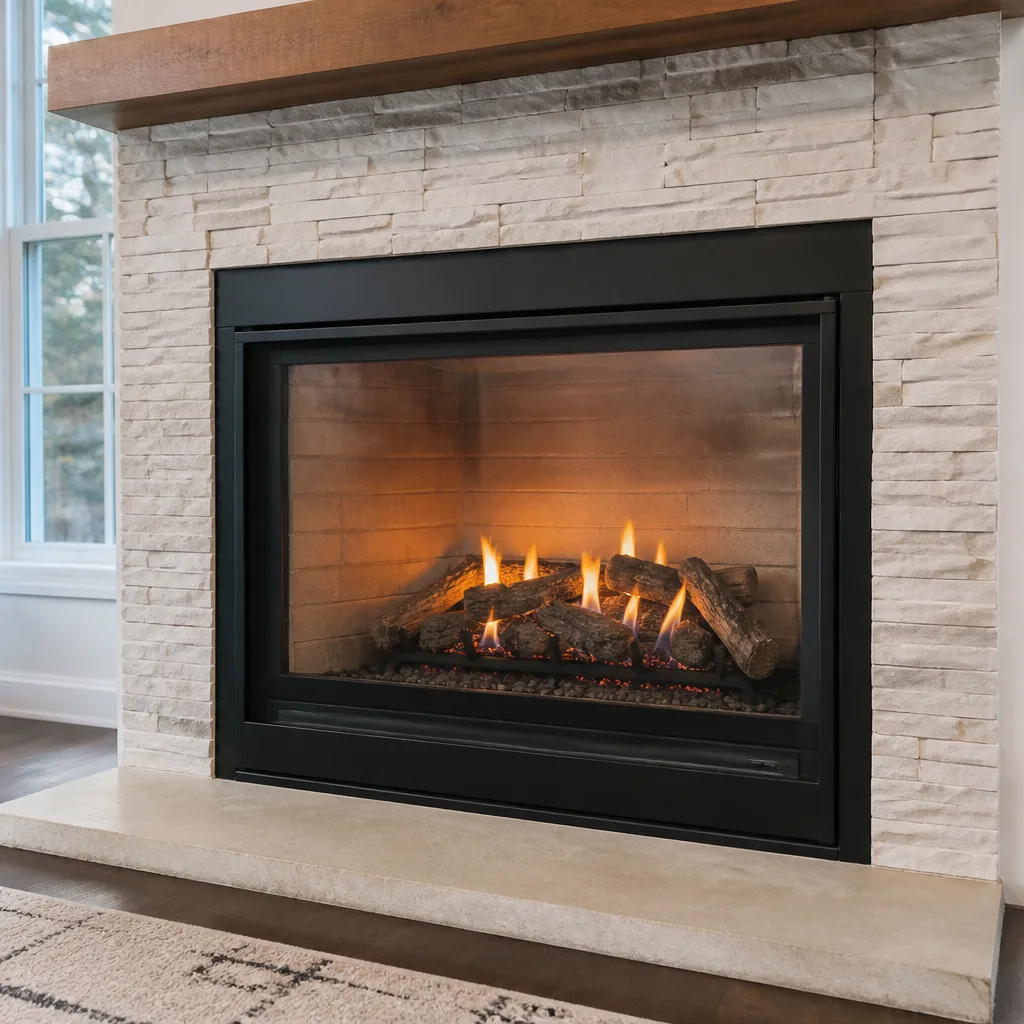
 Gas fireplace service
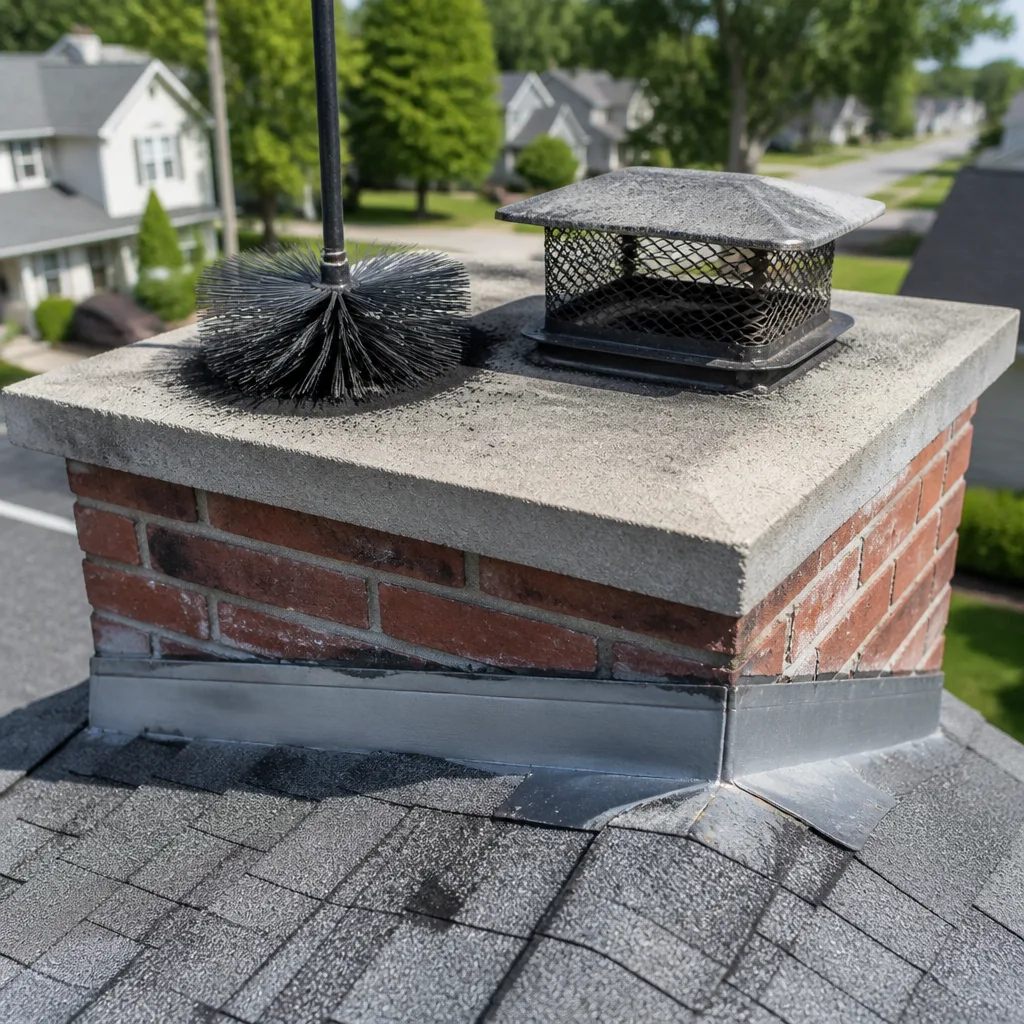 Sweep & inspection
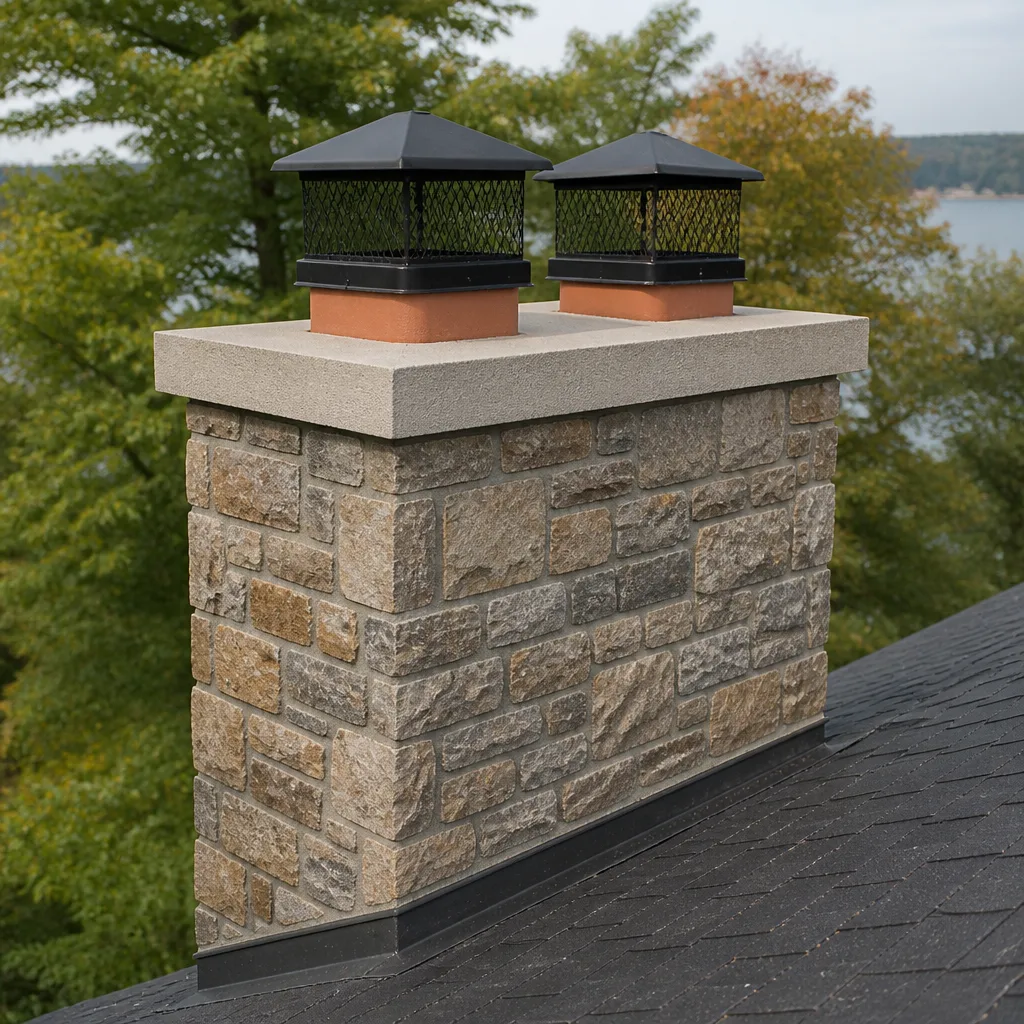 Caps & crowns
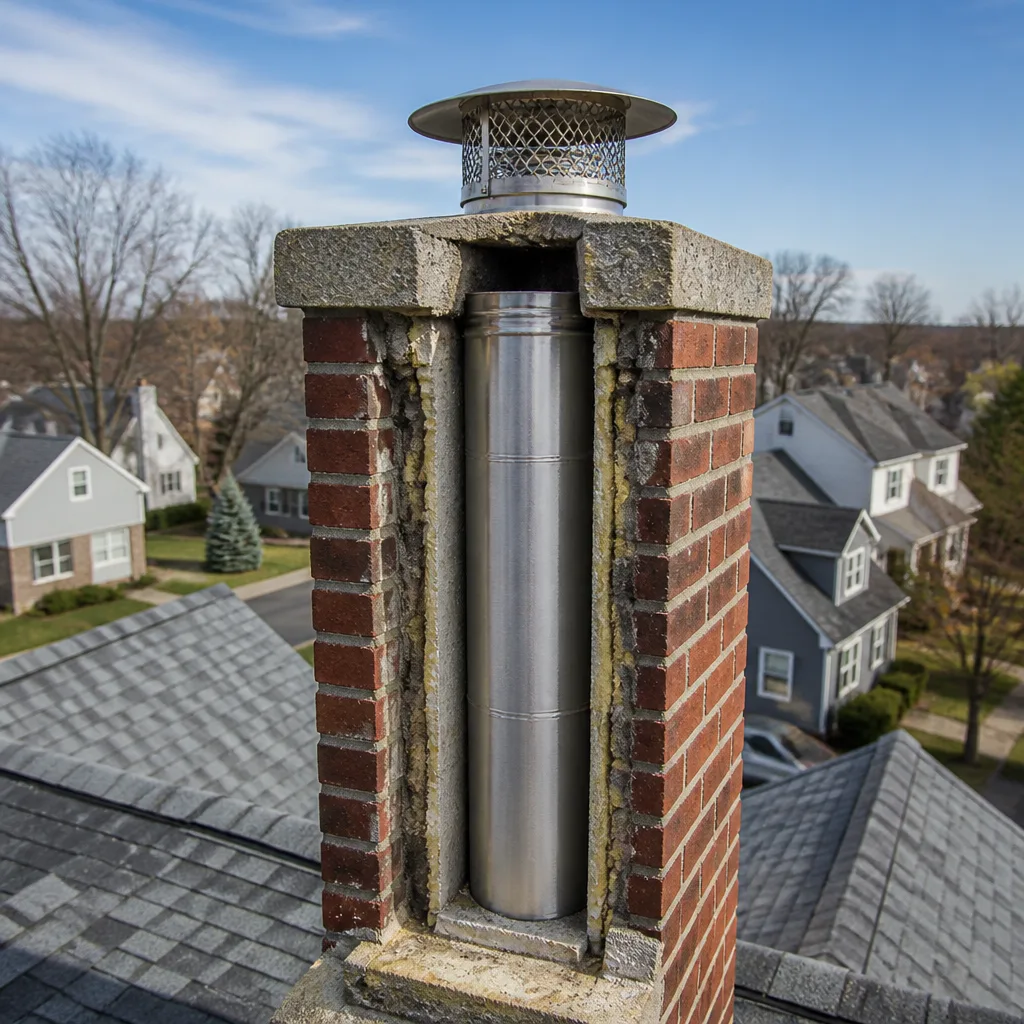 Flue relining
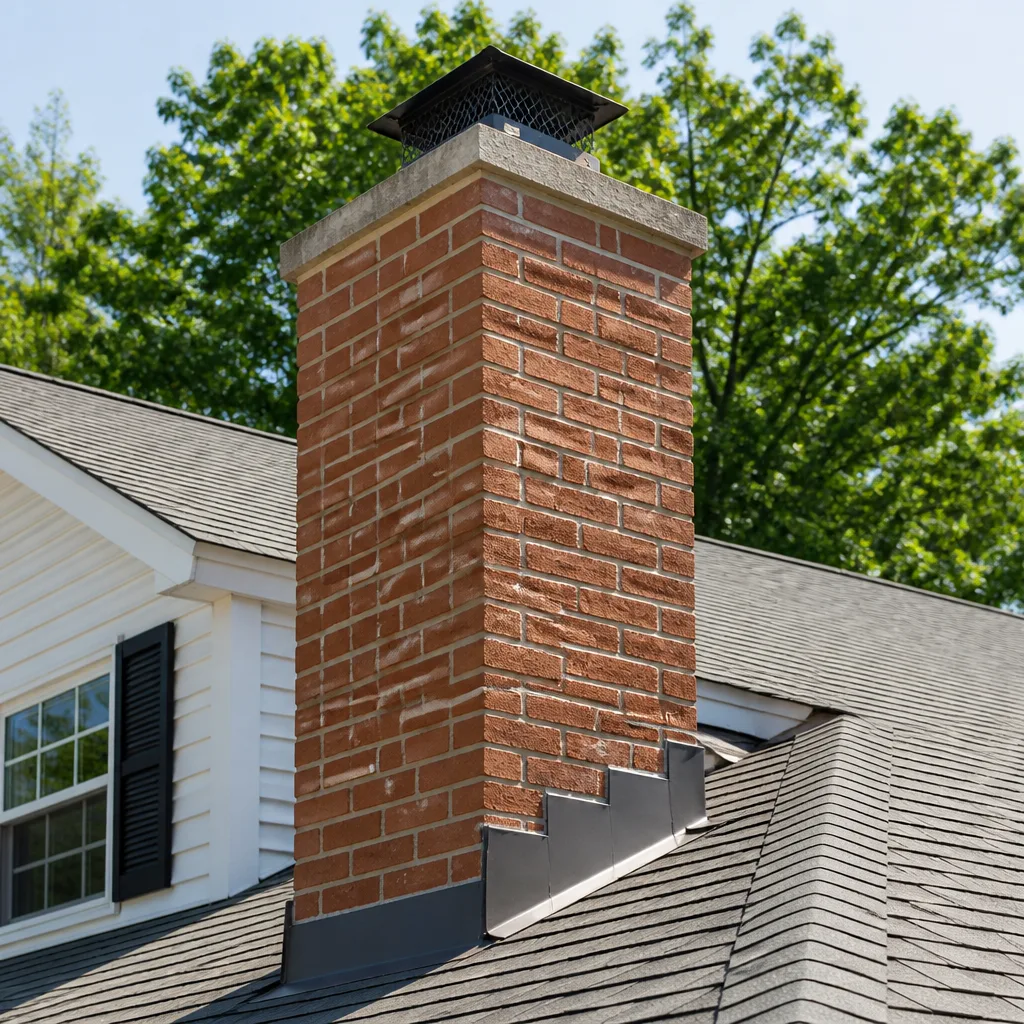 Masonry repair
Level 1 sweep and inspection to the NFPA 211 annual standard - flue, crown, cap, and flashing checked and photographed
Chimney sweep logs do not sweep chimneys. They loosen some creosote - which then falls where a brush and vacuum still have to collect it.
Why Chandler Homeowners Choose HeatShield Chimney Cleaning
We provide independent HeatShield chimney cleaning and repair service in Chandler, AZ. Our technicians have up to 12 years of experience with cast refractory and resurfacing systems, and we handle everything from firebox repair and creosote removal to Level 2 inspection. We are not affiliated with, authorized by, or sponsored by HeatShield; we are an independent service provider that works with HeatShield products because they’re what masonry professionals specify for restorative repair.
What sets our HeatShield work apart is diagnosis first. We don’t recast a firebox or resurface a flue until we know why the last job failed, and we photograph what we find so you can see it. Call (855) 664-1862 and we’ll book a sweep for your Chandler home.
One more thing worth saying up front: Chandler Chchimney Sweep is a full-service contractor, not a sweep-only operation. We diagnose, we clean, we repair. When a HeatShield surface is failing, you get one qualified contractor who can explain the failure, quote the correction, and handle the material in the same visit – no handoff.
Why Trust Chandler Chimney Sweep for Your HeatShield Chimney Cleaning?
HeatShield is a castable refractory resurfacing system: a cement-based liner poured around an inflatable form to rebuild a damaged firebox or flue. Working with it takes a masonry eye, not just a brush. Our technicians have up to 12 years of experience reading how cast refractory behaves – where it bonds, where it lifts, and what the substrate looked like before someone poured it.
We work with HeatShield products and quality parts that fit HeatShield equipment. Our resurfacing materials come through the professional supply chain, not a big-box shelf, and that matters here. Generic refractory mortar is the most common reason a resurfacing job fails early, and it’s also the hardest failure for a homeowner to spot until the surface starts crumbling.
Every repair we do is handled with the original installation in mind. We don’t coat over a failing HeatShield surface, and we don’t apply HeatShield over a substrate that isn’t clean, dry, and ready. That kind of care helps protect whatever HeatShield warranty may still cover your system, though we can’t speak for the manufacturer. We’re licensed specialists, and we document our work.
Styles & brands we work with
- Sweep & inspection
- Caps & crowns
- Flue relining
- Masonry repair
- Gas fireplace service
Common HeatShield Chimney Cleaning Problems We Fix in Chandler
Chandler’s housing stock grew up almost entirely after 1980, so nearly every fireplace we see is a factory-built metal firebox or a pre-fab chase, not the full masonry builds you’d sweep in older Phoenix or Tempe. That changes the whole conversation about HeatShield. A cast refractory resurfacing job here is usually repairing a damaged firebox pan or flue transition in a system with tighter clearances, in a climate that hammers it with triple-digit summers and months of zero use.
The desert heat and monsoon moisture cycling degrade a HeatShield surface differently than they would in a wetter climate, and gas log sets running high heat make it worse. Here’s what we actually find:
- Delamination and spalling on the firebox walls. When the original substrate wasn’t cleaned or primed properly before the pour, the cast HeatShield surface releases in sheets or flakes. You’ll see chunks in the firebox floor after the first fire of the season, and it usually traces back to prep, not the material itself.
- Cracking at the firebox floor-to-wall joint. Repeated thermal cycling opens a crack along that joint, especially where a gas log set runs hard. The joint takes the most movement and the least surface area, which is why it’s the first place a cast refractory surface gives.
- Flue liner separation and blistering at the smoke chamber transition. If the form didn’t seat evenly, the HeatShield liner pulls away or blisters right where the firebox meets the smoke chamber. That’s the hardest transition to pour, and it’s the one we inspect closest.
- Hairline cracking that opens up into creosote pathways. A job applied over a wet or sooted substrate will show hairline cracks that widen through the heating season, letting creosote work in behind the HeatShield liner. Once creosote gets behind a cast surface, cleaning alone won’t fix it.
- White efflorescence and a smoky smell from the firebox. These symptoms point to moisture tracking into the chase through a failed crown or top-plate seal, then driving through the refractory. In Chandler’s monsoon season, bad flashing or a cracked crown lets water in, and the cast surface absorbs it.
This is the pattern a homeowner walks in with: crumbling refractory on the firebox walls, white chalky deposits, and a smoky smell that gets worse each year. A Level 2 inspection typically reveals a previous HeatShield-style coating that has cracked or lifted at the floor joint. The usual cause is poor surface prep or a wet substrate before the cast refractory went in. A qualified sweep removes the failed material, evaluates the underlying brick and smoke chamber, and either re-applies the HeatShield system properly or recommends rebuilding the firebox when the masonry is too far gone.
HeatShield Parts & Our Repair-vs-Replace Approach
HeatShield work is proprietary. The castable refractory material and forms come from HeatShield, and there’s no meaningful aftermarket substitute. Cutting corners with generic mortar is exactly how these jobs fail – we’ve seen it enough to make it our line. We don’t stock or sell HeatShield parts, but we source the correct materials through professional channels and install them the way the system is designed to be installed.
So when does a HeatShield resurfacing make sense, and when do you need a rebuild? That decision comes down to the substrate. If the underlying brick and smoke chamber are sound and the damage is on the surface, a HeatShield firebox restoration or flue liner resurfacing is the right money. If the masonry itself has lost structural integrity, resurfacing just delays a rebuild. We’ll tell you which category you’re in, with photos, before you spend anything.
Call (855) 664-1862 to talk through what you’re seeing. Estimates are free, and there’s nothing to approve blind.
Our HeatShield Service Process – Step by Step
- 1
Diagnosis. We start with a Level 2 inspection: camera, photo report, and a direct look at the firebox, damper, smoke chamber, and flue. For a HeatShield job, we also check the substrate – was the original surface cleaned and primed, or did it get poured over soot and moisture? That answer decides everything downstream.
- 2
Repair or install. If the surface is failing, we remove the failed material and prep the substrate correctly. If a new HeatShield firebox restoration or flue liner resurfacing is the right call, we set the form, pour the castable refractory, and control cure time so the material bonds properly. Creosote removal happens before any resurfacing – you can’t pour over a dirty flue.
- 3
Test. After the cast surface cures, we test draw and smoke-pull, check the smoke chamber transition for seating, and photograph the finished surface so you have a record of what was done.
- 4
Warranty care. We document the materials and method so whatever HeatShield coverage applies stays intact. If crown repair or flashing work is needed to keep moisture out of the chase, we handle it so the resurfaced firebox isn’t fighting water all year.
See the difference
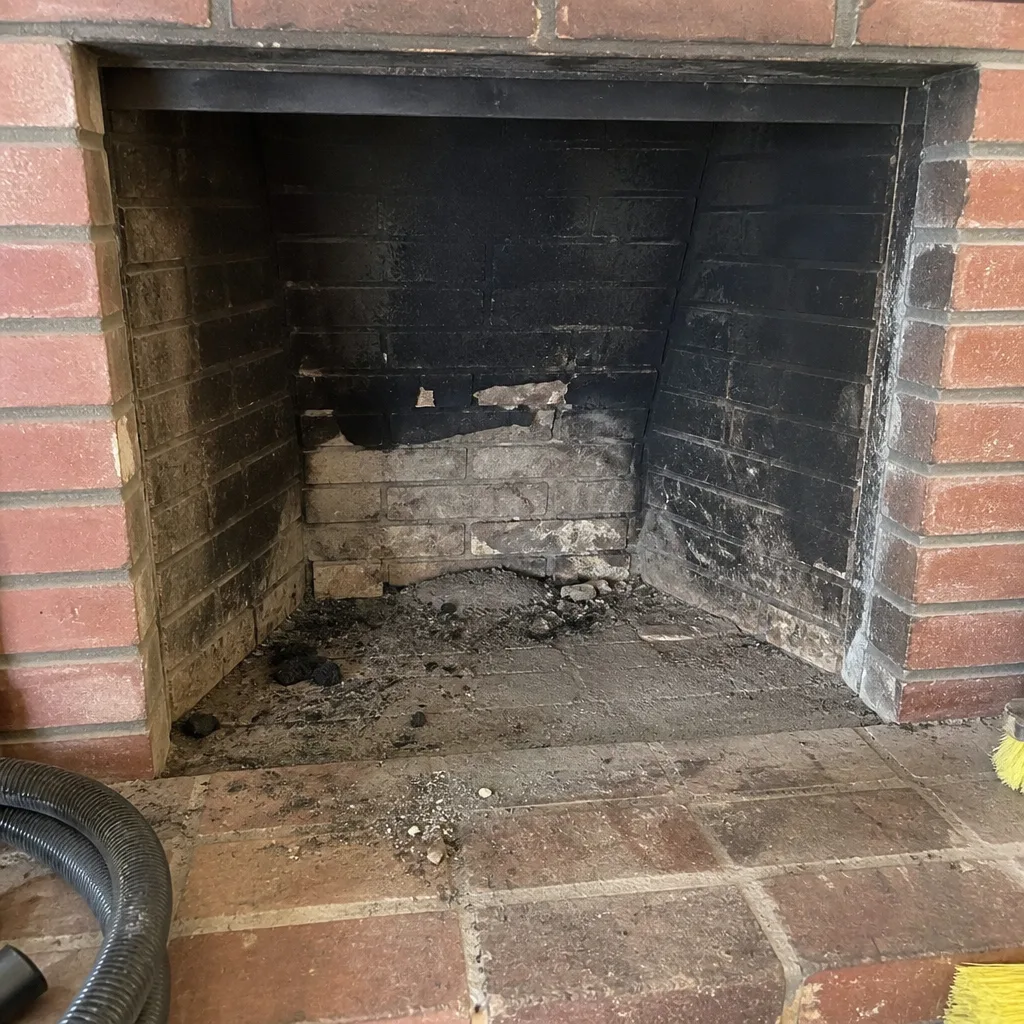 Before
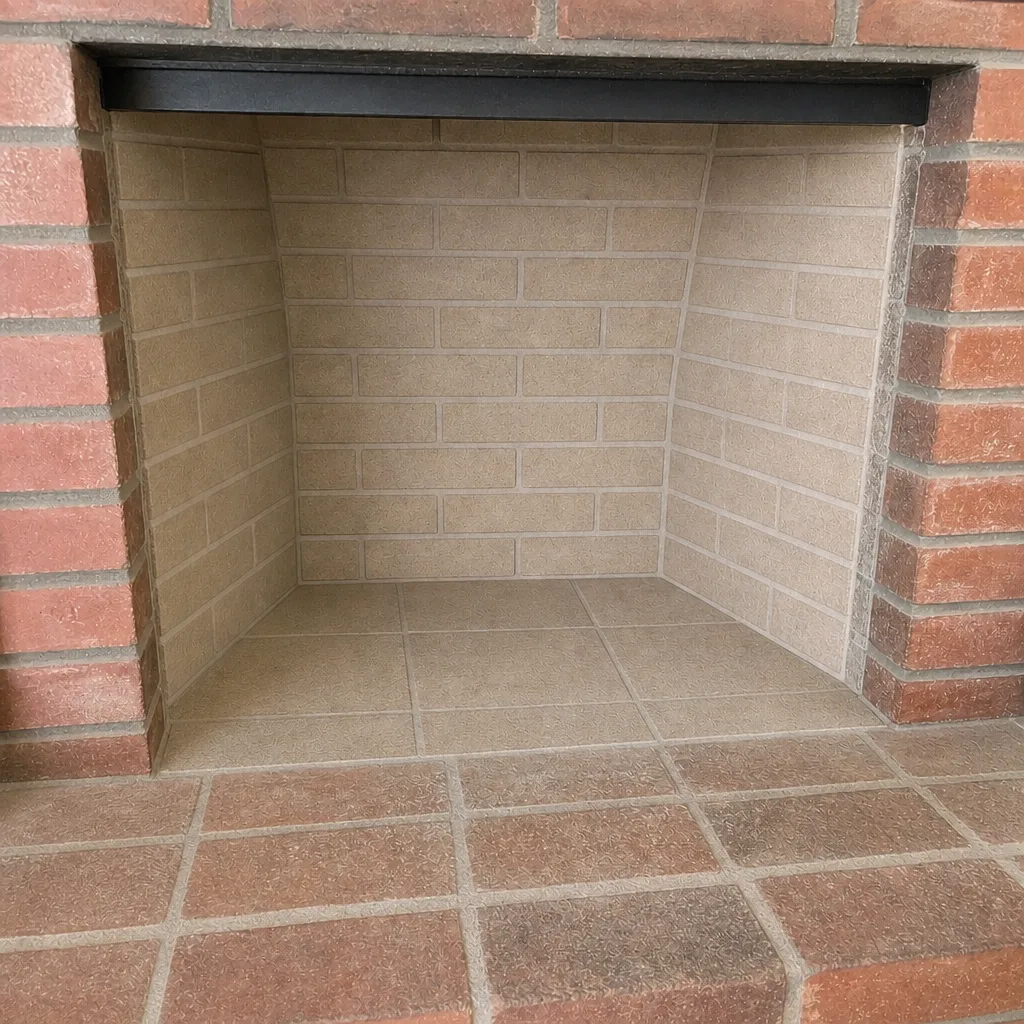 After
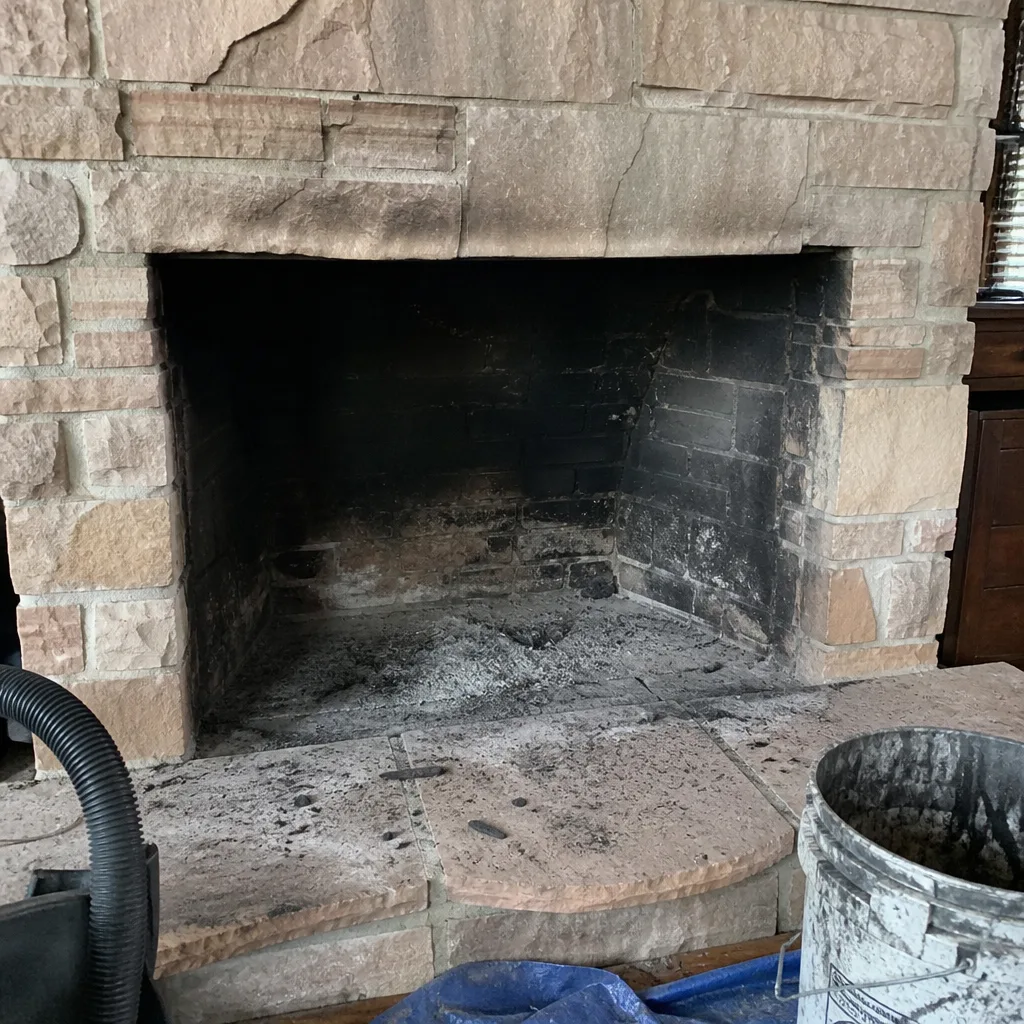 Before
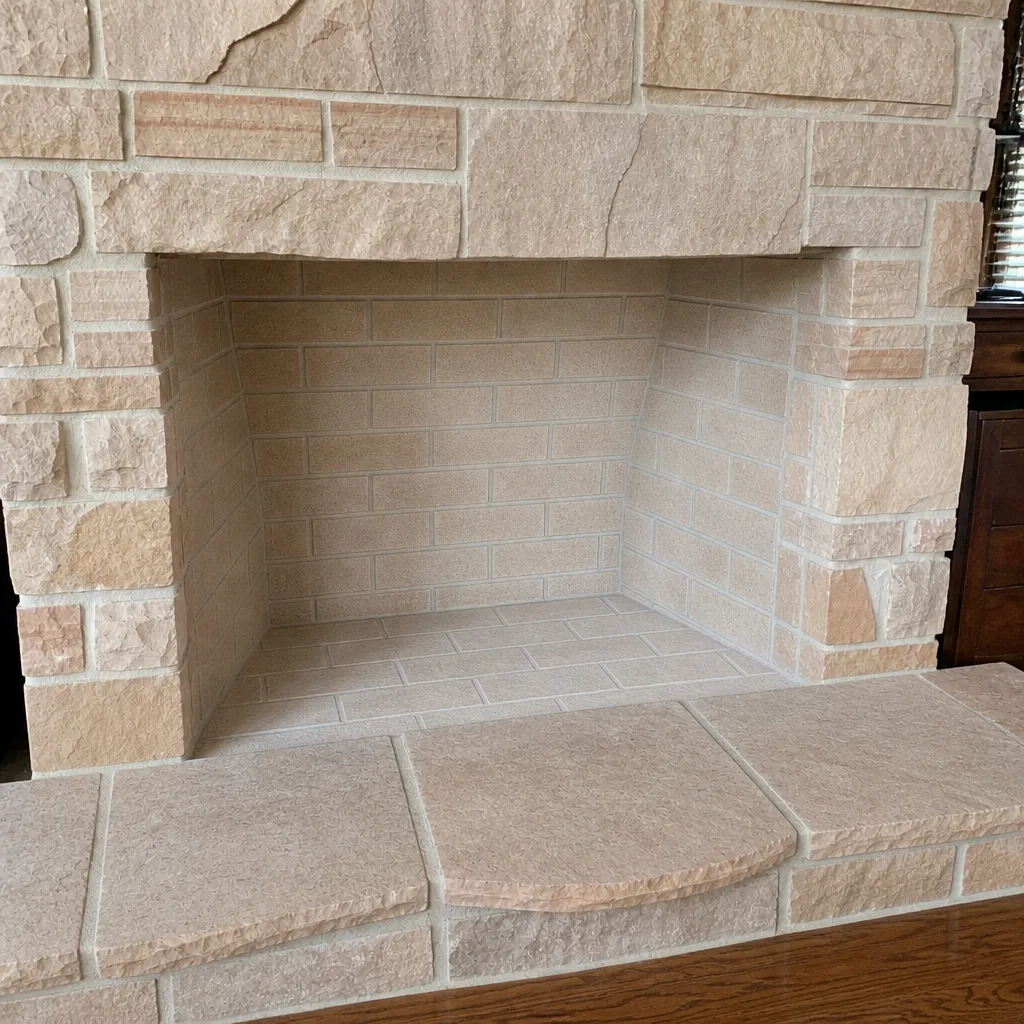 After
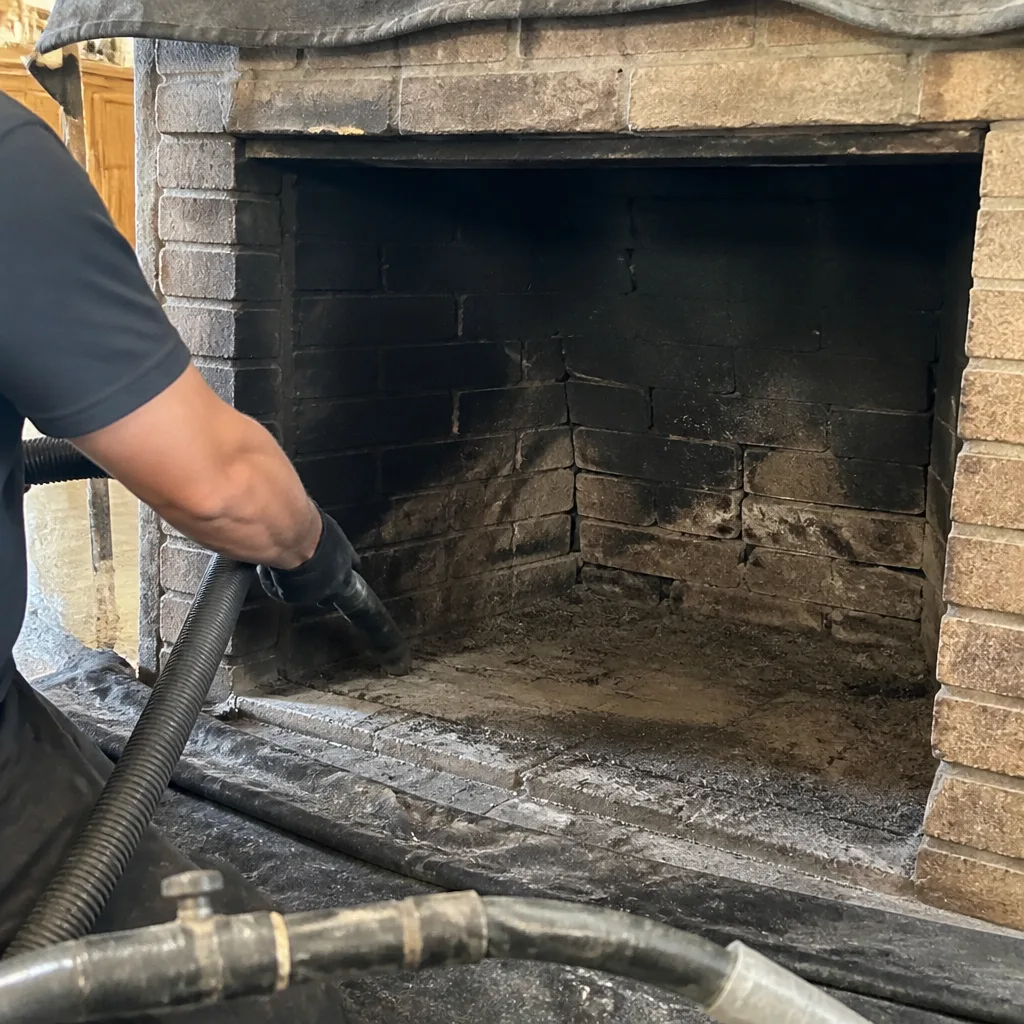 Before
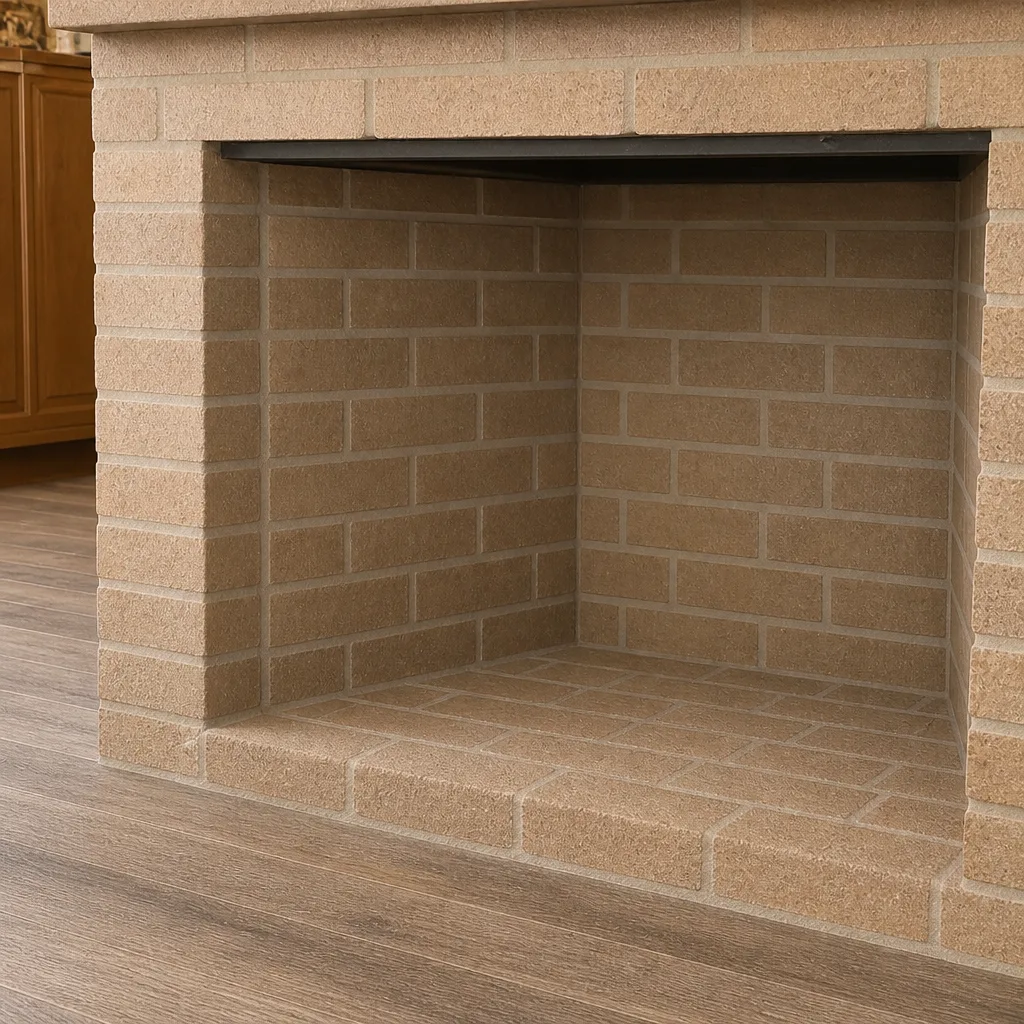 After
HeatShield Products We Service & Install in Chandler
We service and install the HeatShield Firebox Restoration System, a cast refractory liner for damaged fireboxes – the most common HeatShield job we see in Chandler’s pre-fab housing stock. We handle HeatShield Flue Liner Resurfacing, the cast-in-place restoration that rebuilds a flue’s interior without a full reline.
Water and weather damage is a big part of this. We work with HeatShield crown repair and crown coat products when the top of the chimney is letting moisture into the chase, and we use HeatShield refractory mortar and trowel-grade patching materials for the smaller repairs that support the overall system. A resurface job is only as good as its edges, and the right mortar around the perimeter is what keeps it sealed.
We Also Service These Brands
We work with a professional-grade roster, not a single brand. Beyond HeatShield, we handle DuraFlex flexible flue and venting systems and Gelco products – the full-service spread you’d expect from a chimney contractor who does repair alongside cleaning. If you don’t need HeatShield, we’ll tell you. If you do, we have the right material and the base knowledge to install it. Our full range is DuraFlex, Gelco, Olympia Chimney, Famco, and Copperfield.
FAQs – HeatShield Chimney Cleaning Service in Chandler
No. Chandler Chimney Sweep is an independent provider, not an authorized dealer, and we’re not affiliated with or sponsored by HeatShield. We work with HeatShield products because they’re what professionals in the field put in for restorative repair. Any quote you get from us reflects our own labor and material sourcing.
No. HeatShield flue liner resurfacing rebuilds the interior of an existing flue from the inside by casting a refractory layer against the original walls. A full reline installs a new separate liner and changes the flue’s dimensions. For mild to moderate flue damage, resurfacing keeps the chimney closer to its original size. For serious structural loss, a reline or rebuild is often the better answer. We’ll tell you which one your chimney needs after a Level 2 inspection, and you can see the camera evidence yourself. Call (855) 664-1862 for an exact quote – estimates are free.
The most common cause is application over a wet or sooted substrate, or prep that skipped the priming step – the cast surface can’t bond to a dirty or damp base. The floor-to-wall joint cracks first under repeated thermal cycling, especially with a gas log set running high heat. Once a firebox coating fails visibly, it needs to be removed and recast properly rather than patched over. If you’re seeing flakes or cracks, call us at (855) 664-1862 to assess before the failure deepens.
Yes. A cured HeatShield flue liner resurfacing can be swept like any flue, with the right brushes and care taken around the smoke chamber transition. What we won’t do is scrape at a liner that’s already blistering or separating – that’s a repair problem, not a cleaning problem. Our technician checks the liner condition first, then cleans, and reports what he sees. Creosote removal on a HeatShield flue is routine with proper technique. Call (855) 664-1862 to book a sweep.
Sometimes – but the crown and moisture control have to be corrected first. Pouring HeatShield into a chase where water is still leaking in just traps that moisture behind the new surface, and the job will fail. In Chandler, monsoon storms are what expose a cracked crown or top-plate seal, and that’s the water source. We repair the crown and flashing before any resurfacing, so the cast material isn’t fighting moisture from day one. Call (855) 664-1862 for an inspection and estimate.
Yes. A Level 2 inspection with camera is the step that decides whether a HeatShield firebox restoration or flue liner resurfacing is the right call versus a full rebuild or reline. It shows the firebox condition, the smoke chamber, any coating already in place, and how bad the underlying masonry actually is. We don’t recommend HeatShield without that evidence, and you get the photo report. Call (855) 664-1862 to schedule one – estimates are free.
Book Your HeatShield Service in Chandler, AZ
If you’re seeing cracked refractory in the firebox, white efflorescence, or a smoky smell that won’t clear, it’s worth a look before it gets worse. Call (855) 664-1862 to book a sweep or Level 2 inspection for your Chandler home. We answer 24/7, fast dispatch runs 7am to 7pm Sunday through Friday, and estimates are free. We’ll diagnose, show you the evidence, and quote the repair before anyone touches your firebox.
Written by the team at Chandler Chimney Sweep.