
Last updated November 15, 2026
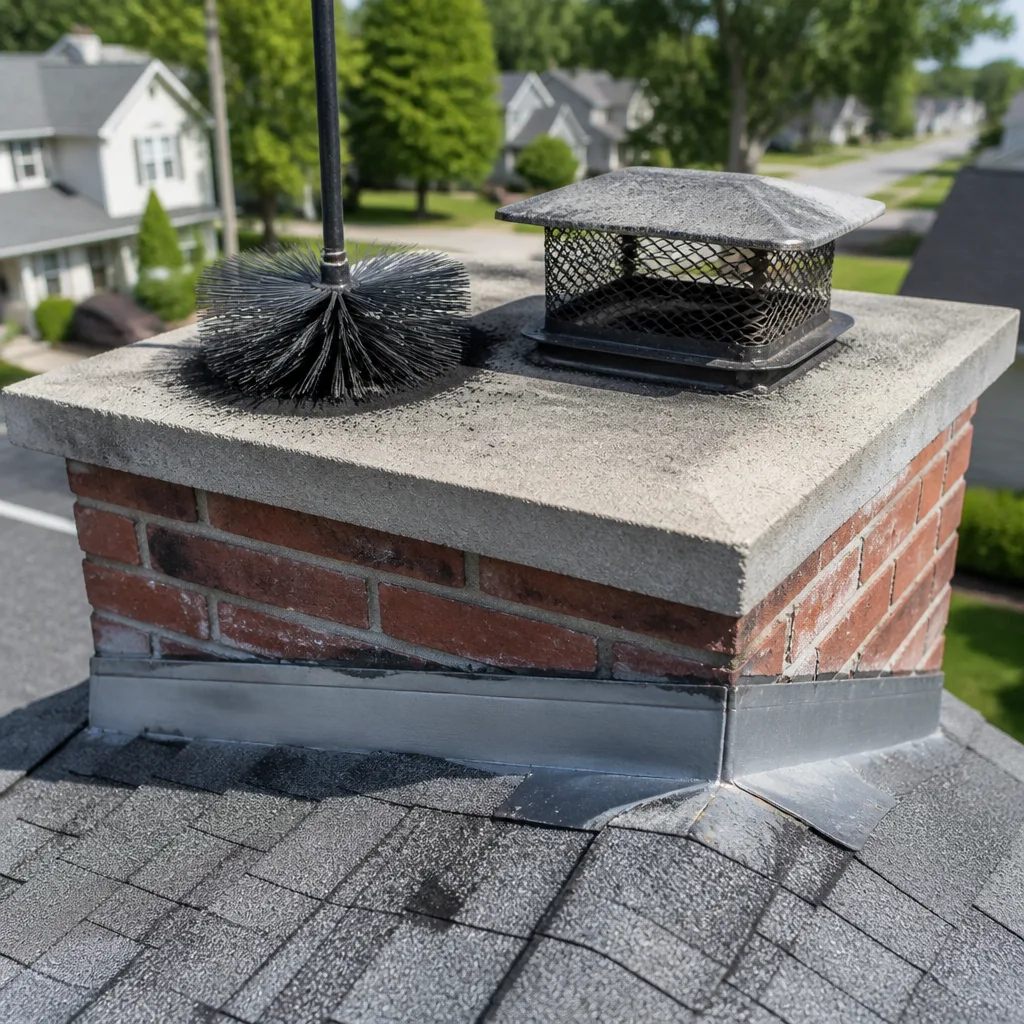 Sweep & inspection
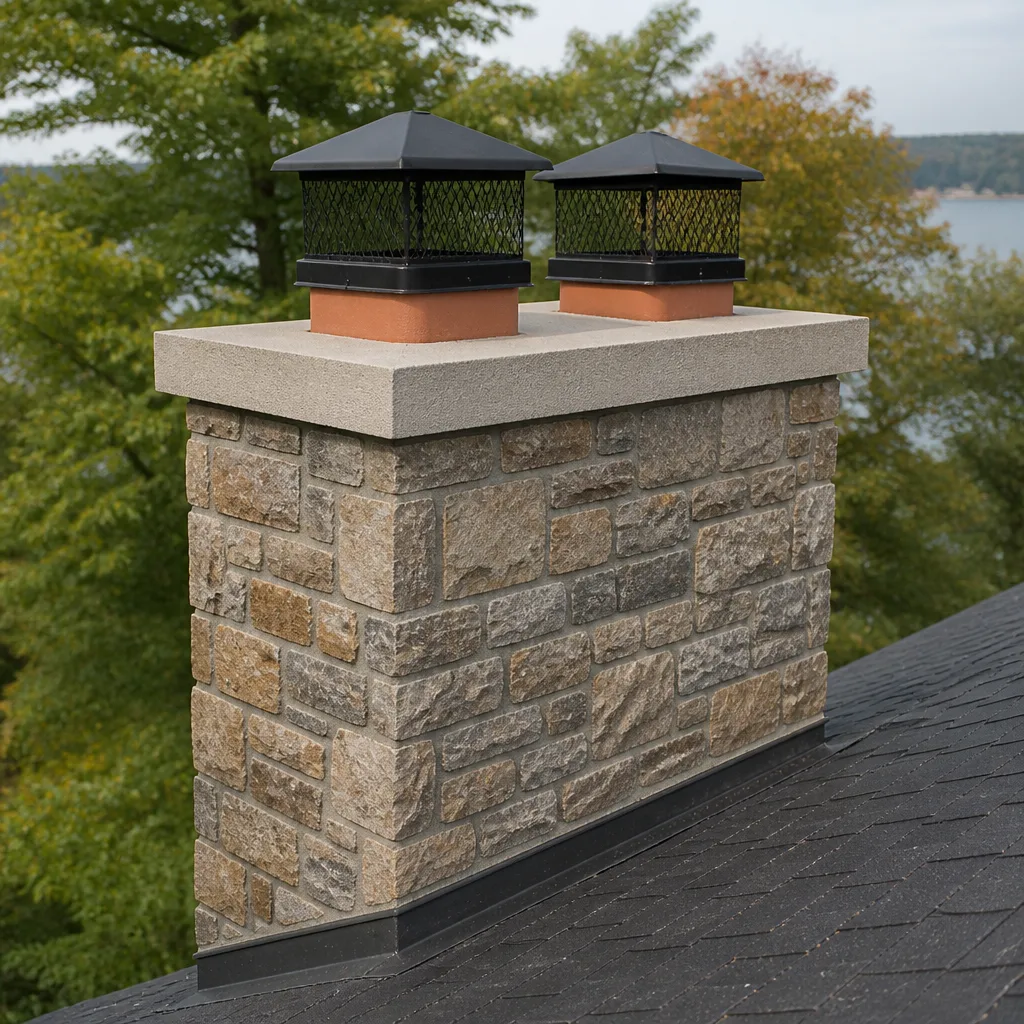 Caps & crowns
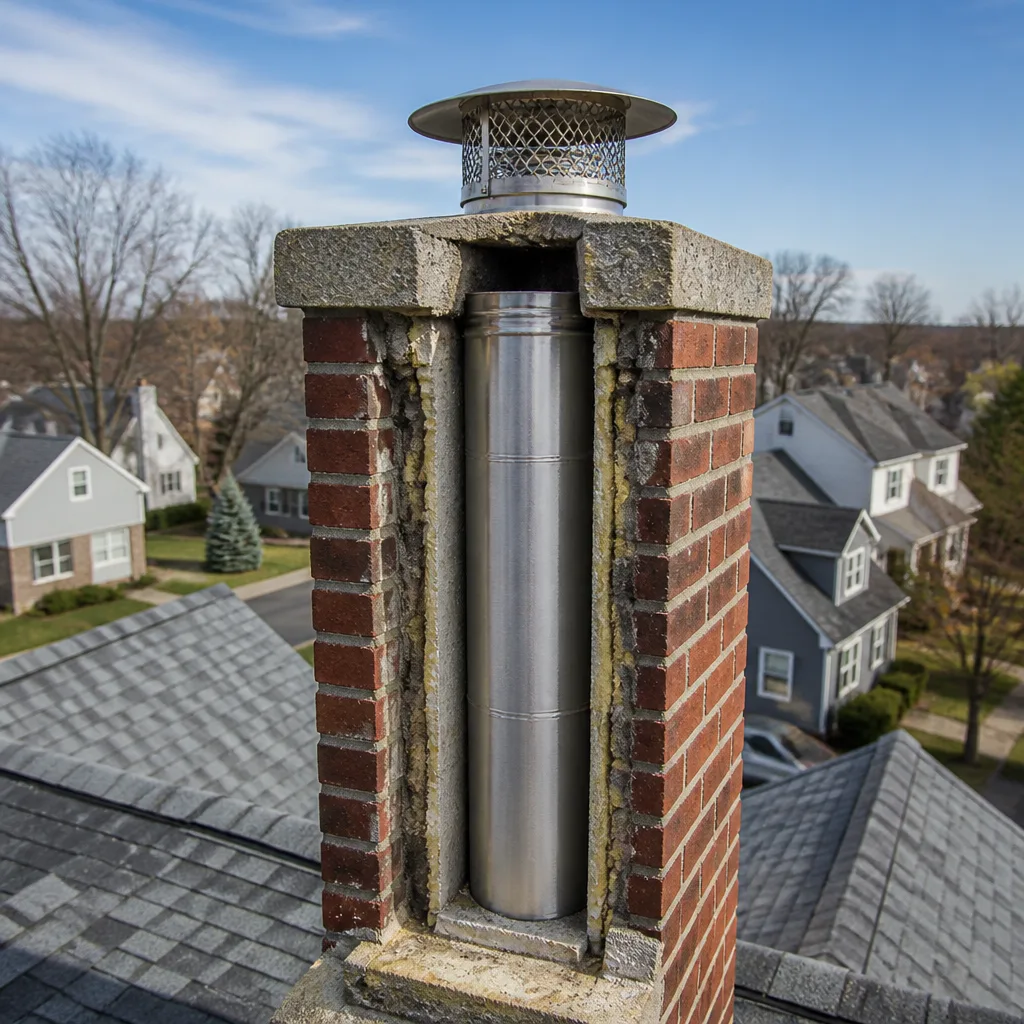 Flue relining
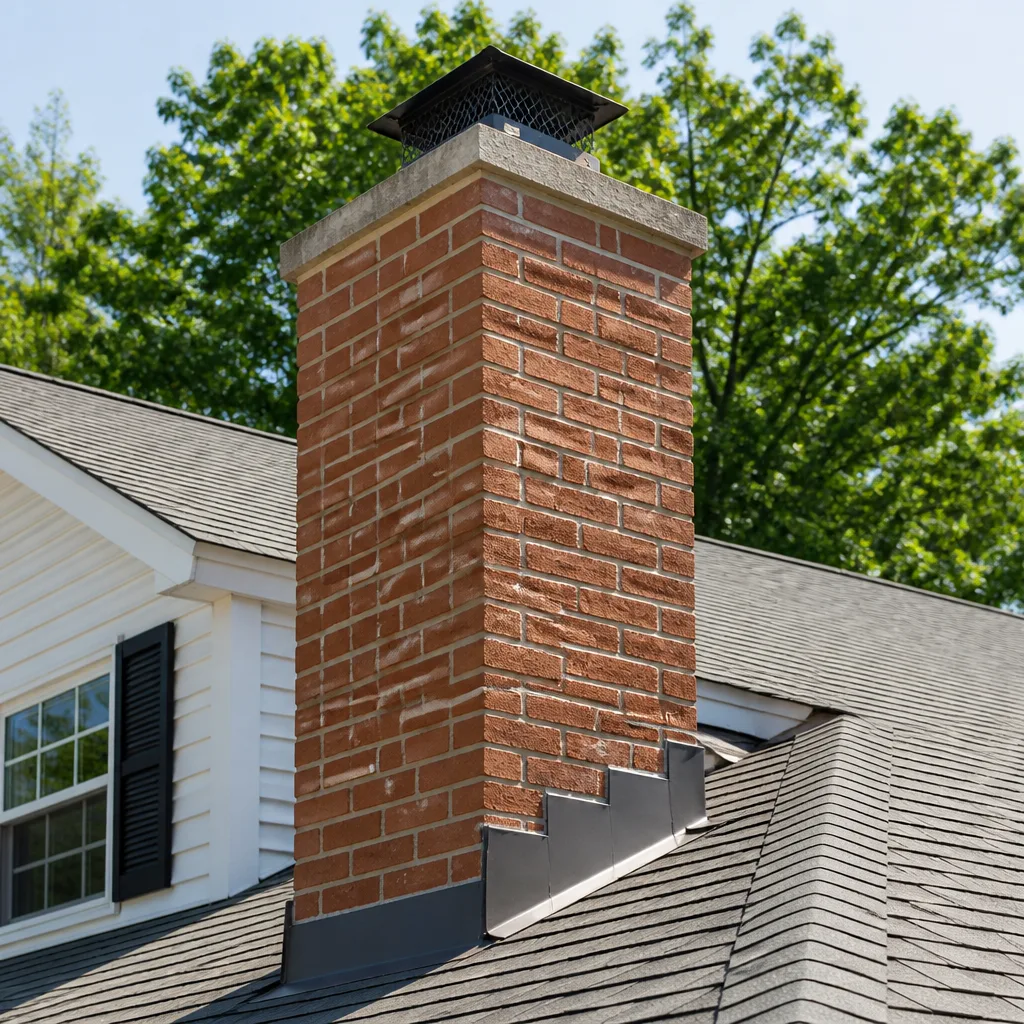 Masonry repair
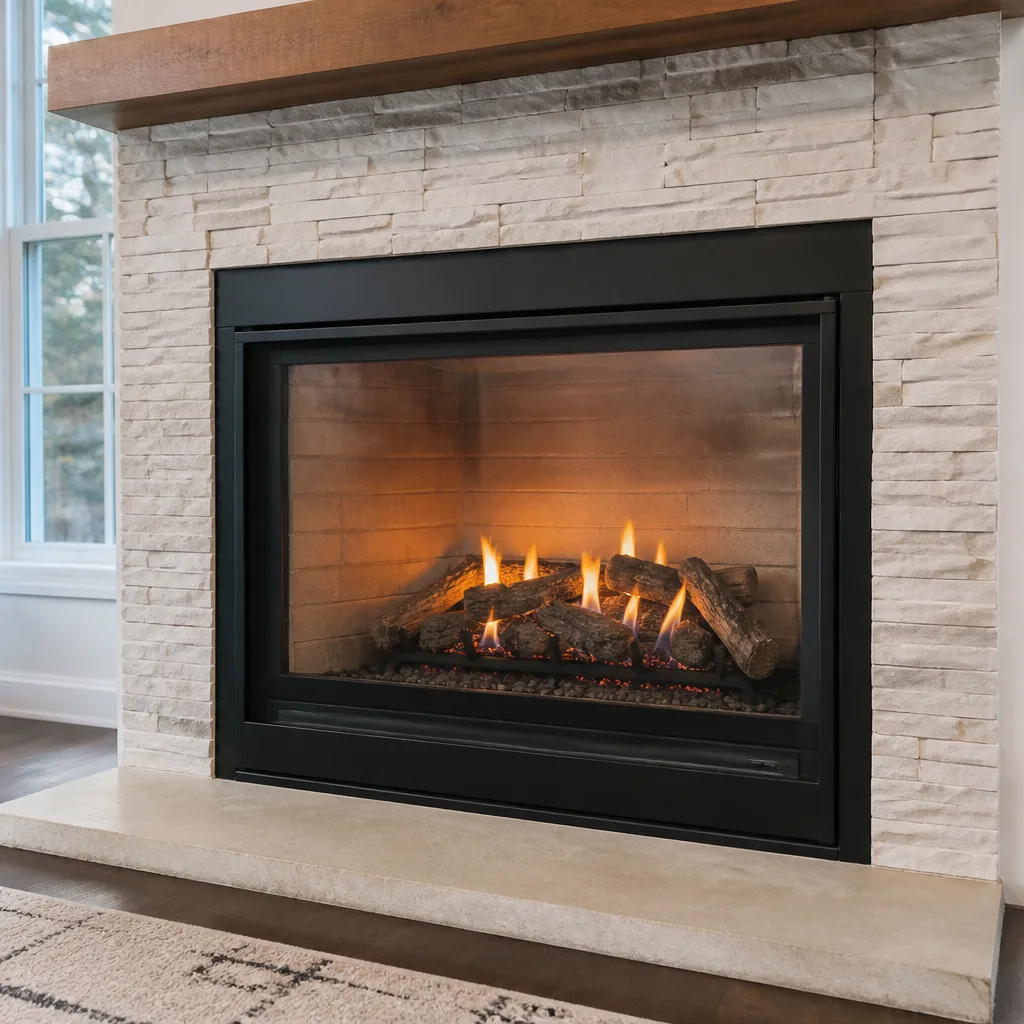 Gas fireplace service
Level 1 sweep and inspection to the NFPA 211 annual standard - flue, crown, cap, and flashing checked and photographed
Chimney sweep logs do not sweep chimneys. They loosen some creosote - which then falls where a brush and vacuum still have to collect it.
Seasonal Chimney Cleaning Care for Chandler: Year-Round Homeowner’s Guide
Most chimney care advice you’ll read online was written for a place with four hard seasons and a long, cold winter. Chandler isn’t that place. Here, the six months between May and October do more structural damage to an unmaintained chimney than any amount of winter burning ever will. Summer UV bakes the crown and cap seals, the monsoon drives water into places it shouldn’t go, and fine desert dust settles into flues that sat idle all season. The traditional “clean it every fall and forget it” calendar misses the two seasons that actually hurt Chandler chimneys. This guide walks through all four seasons the way they really play out here, with the inspection tasks, warning signs, and cleaning intervals that fit how homes in Chandler actually live and burn.
Quick Answer
In Chandler, chimney care should follow the desert calendar, not the cold-climate playbook: inspect cap and crown seals in spring before summer UV hardens cracked mortar, check flashing and clear the firebox after monsoon season, do a full inspection and sweep in October before your first burn, and sweep again based on actual creosote buildup rather than a fixed yearly habit. Most lightly used Chandler fireplaces can safely go longer between sweeps than national guides suggest, but heavily used ones and any chimney with a damaged crown or liner shouldn’t wait. If you’re unsure which group you fall into, a professional inspection answers it in one visit.
Styles & brands we work with
- Sweep & inspection
- Caps & crowns
- Flue relining
- Masonry repair
- Gas fireplace service
Table of Contents
- Why Chandler’s Climate Rewrites the Chimney Care Calendar
- Spring Prep (April and May): Beating Summer Before It Starts
- Monsoon Season (July through September): Water Is the Enemy
- Post-Monsoon October Inspection: The Damage We See Every Fall
- The Winter Use Window (November through February)
- Annual vs. Biennial Cleaning: How to Decide in Chandler
- The Other Vent: Dryer Ducts and the Same Seasonal Logic
- Common Mistakes to Avoid
Why Chandler’s Climate Rewrites the Chimney Care Calendar
The dominant threat to a Chandler chimney is not cold. It’s heat, sunlight, and water arriving all at once in a short, violent stretch. A chimney here spends the summer essentially dormant while its exterior takes months of sustained UV exposure and temperatures that push the masonry and the metal around it toward their limits. Then the monsoon rolls in and tests every seal and flashing joint that sun has been quietly weakening since spring. Understanding that order of events is the whole game.
Contrast that with the standard national advice, which assumes a chimney is used hard all winter, sits wet and freezing in spring, and needs its primary cleaning after the burning season. In Chandler, the burning season is short and mild, so creosote accumulates more slowly and in smaller amounts than cold-climate charts predict. Meanwhile, the wear on the outside of the chimney – the crown, the cap, the mortar joints, the flashing where the chimney meets the roof – happens faster here than in most of the country. That’s the inversion this guide is built around: more exterior stress, less interior soot.
There’s a practical consequence. A homeowner from the Midwest who moves to Chandler often keeps scheduling a sweep every single fall out of habit, and then skips the spring and post-monsoon inspections that actually matter most here. We’ve seen chimneys that were swept faithfully every year and still developed a cracked crown that let water pour into the firebox for two seasons. Cleaning a flue does nothing for a failing crown. Both jobs belong on your calendar, and in Chandler they don’t fall in the same season.
Tile-roofed homes common across Chandler neighborhoods like Sun Lakes and Ocotillo also present flashing details that deserve attention after the rain. Older ranch homes nearer downtown Chandler often have original masonry caps and single-stage crowns that have taken decades of sun. The housing stock here matters as much as the weather.
Spring Prep (April and May): Beating Summer Before It Starts
April and May are your window to fix exterior problems while the weather is still working with you and before UV starts hardening and shrinking every sealant on the chimney. This is the single most important prep season in Chandler, and it’s the one most homeowners skip entirely because nothing is burning and the chimney feels irrelevant.
Here’s what a spring chimney review should cover:
- Chimney cap and seal check. The cap keeps rain, birds, and desert debris out of the flue. Look at the metal or masonry cap and the mortar or sealant holding it in place. Spring is when you address a loose cap, a cracked seal, or a cap that’s rusted through. If it isn’t secured before summer, monsoon wind can dislodge it entirely.
- Crown inspection and coating. The crown is the concrete or mortar surface on top that sheds water away from the chimney. UV breaks it down into hairline cracks. We use HeatShield for resurfacing crowns and repairing flue damage because it’s a ceramic material professionals specify for restorative work, not cosmetic patching. A crown that’s actively failing needs more than a smear of caulk.
- Mortar joint review. Tuck-pointing worn mortar in spring gives it time to cure before the rains. Joints that look fine in April can open up after a summer of expansion and contraction.
- Flue and debris check. Even if you barely burned last winter, desert dust, pollen, and nesting material can settle in a dormant flue through spring. A quick sweep clears it before the chimney sits idle all summer.
If you want the sweep handled while you’re thinking about it, spring is a reasonable time for a chimney sweep, though October will be the more important visit for most Chandler homes. The spring visit is really about the exterior and the structure. Get those items addressed now and the monsoon has far less to work with.
Monsoon Season (July through September): Water Is the Enemy
Monsoon season is when an unmaintained Chandler chimney takes its worst hits. The rain doesn’t arrive gently; it comes in concentrated bursts that find every compromised joint, every lifted flashing edge, and every crack in the crown. Water that gets in has nowhere good to go, and a chimney is essentially a vertical shaft designed to carry air up and out. When it carries water down instead, that’s a problem you want to catch early.
Tasks for the monsoon months:
- Check the flashing. The flashing is the metal where the chimney penetrates the roof. It’s the most common source of chimney leaks and the first place to look after any hard rain. Lifted, cracked, or missing flashing lets water run down the outside of the flue into the attic and ceiling.
- Clear the firebox and the firebox floor. Water, dust, and debris can collect at the bottom of the firebox. Clear it out and check for signs of moisture that shouldn’t be there.
- Watch for standing water inside the firebox. If you find standing water in the firebox after a storm, that’s a red flag. It usually points to a missing or failed cap, failed flashing, or a crack in the crown or flue that’s letting water travel down. Don’t light a fire until it’s diagnosed and dried out. Water and a hot firebox are a bad combination for the masonry and for your safety.
- Inspect the cap after high wind. Monsoon wind can loosen or blow off caps. A visual check from the ground after a strong storm is worth the minute.
- Keep the area clear. Clear leaves and debris that collect around the chimney base and roof flashing so they don’t hold moisture against the structure.
A small leak caught in July is a repair. The same leak found in October, after three months of monsoon, can mean saturated framing and a much bigger job. This is the season where a few minutes of checking saves the most money.
Post-Monsoon October Inspection: The Damage We See Every Fall
October is the critical inspection month in Chandler because it’s the bridge between the rainy season and the burning season. Before you light your first fire of the season, the chimney should be checked by someone who understands what a Chandler summer and monsoon do to a chimney. This is the inspection that matters most for safe burning.
The damage patterns show up in a recognizable order every fall. First, crown cracks that started as UV hairlines in spring have widened through a summer of heat and a season of rain. Second, flashing that was marginal in spring has failed, and the homeowner notices a stain on the ceiling or a damp smell in the room. Third, the firebox or flue has taken on water, and the masonry is holding moisture that will turn to steam and stress when the first fire gets hot. Fourth, the cap or spark arrestor is clogged with nesting material, windblown debris, or corrosion.
The October checklist:
- Full visual inspection of the flue interior, crown, cap, and flashing.
- Sweep the flue to remove what did accumulate last season plus any summer debris.
- Confirm the flue is dry and undamaged before use.
- Check the firebox and damper for smooth operation.
- Look for any water intrusion signs from the monsoon months.
- Confirm the liner is intact and properly matched to the appliance.
Some of that work is do-it-yourself visual checking from the ground and inside the firebox. Some requires getting on the roof and looking down a flue, which is where a professional inspection earns its keep. We diagnose, we clean, we repair – so if the October inspection turns up something, it’s handled by the same qualified contractor rather than passed off to a second company. Our technicians have up to 12 years of experience reading exactly these patterns on Chandler roofs.
The Winter Use Window (November through February)
Chandler’s mild winter changes how creosote accumulates, and that has real implications for how often you need to sweep. Creosote forms when smoke cools before it exits the flue and condenses on the walls. The colder the outside air and the longer the flue stays hot, the more creosote builds. Here, winters are short and moderate. Fires are lit for ambiance on cool evenings far more often than for survival or long, hot burns all day. That means the flue cools less dramatically, burns are shorter, and creosote accumulates more slowly than it would in, say, Ohio or Colorado.
In practice, a typical Chandler homeowner with a fireplace used mainly on cool evenings won’t build a dangerous creosote load in a single season. But “typical” isn’t everybody, and the slow-burn chart has exceptions:
- A fireplace used heavily on a lot of cool nights can still accumulate enough creosote to need an annual sweep.
- Green or unseasoned wood produces more creosote than dry, seasoned wood, regardless of climate.
- A smoldering, low-oxygen fire makes more creosote than a hot, bright one. If your fires tend to smoke, that’s a sign to look at wood quality and draft, not just the flue.
- Any chimney with a known draft problem or an oversized flue will run cooler and build more creosote than the climate alone would predict.
Use this window to monitor. Watch for a fire that smokes into the room, a damper that sticks, or increased creosote smell. These are signs to get a sweep on the calendar rather than waiting for the next October. And if you do light a fire during the monsoon months, don’t. Wait until the chimney is inspected and known dry.
Annual vs. Biennial Cleaning: How to Decide in Chandler
Here’s the practical question every Chandler homeowner eventually asks: do I really need the chimney swept every year? In a lot of cases, no. The standard annual-sweep advice is built for colder climates with heavy seasonal use. In Chandler, the logic can be calibrated more honestly, and it should be, because a sweep you don’t need is just a bill, and a sweep you skip when you did need it is a risk.
You can safely extend toward the biennial side if all of these are true:
- Your fireplace is used occasionally, mostly for ambiance on cool evenings.
- You burn dry, seasoned wood, and you don’t overload the firebox.
- A professional inspection finds a thin, light creosote glaze rather than heavy buildup.
- Your crown, cap, and flashing are in good condition and the flue stays dry.
- No draft problems and no smoking issues.
You should stay on an annual or more frequent schedule if any of these are true:
- You use the fireplace heavily through the winter months.
- You burn green wood, scrap wood, or you’re not sure what you’ve been burning.
- You’ve had a smoking issue or a draft problem.
- The inspection finds heavy or glazed creosote.
- Your crown or flashing is compromised, or you’ve had water intrusion.
- You have a new-to-you home and don’t know its chimney history.
The right way to decide is to have a professional inspect and sweep, then let the technician tell you what’s actually on the flue walls. That’s also a good time to ask about the liner. A properly matched liner – and products like DuraFlex and Copperfield’s liner systems are what professionals specify – protects the masonry and keeps the venting right for the appliance. If your liner is damaged, no amount of sweeping fixes it. We can help you weigh whether the liner needs replacement or repair, and this is exactly where professional-grade materials make the difference between a lasting fix and a stopgap.
The Other Vent: Dryer Ducts and the Same Seasonal Logic
Chandler homes have a second vent that most seasonal guides ignore entirely, and it carries the same kind of risk. A clogged dryer vent traps lint inside the duct, and lint is highly combustible. This is a leading cause of residential house fires nationally, and the same desert dust that settles into a dormant chimney flue also finds its way into dryer duct runs and slows airflow over time. A dryer running hot and taking longer to dry a load is a classic warning that lint has built up.
The seasonal logic transfers. Warm months put more demand on the dryer, and dust and lint accumulate in the ductwork all year. A vent cleaning once a year is a sensible floor for most households, and more often if you have a large family, a long duct run, or pets. The signs to watch for are a dryer that takes two cycles to dry a load, feels hotter to the touch on the outside, or has a shrouded exterior vent hood that no longer opens cleanly when the dryer runs.
This is a core service for us, not a sideline. They don’t share a chimney, but the principle is the same: a vent is only safe when it’s clear and the airflow is what it should be. dryer vent cleaning is a standalone service, so even homeowners with no fireplace can have their biggest hidden fire risk addressed in a single visit.
Common Mistakes to Avoid
Here’s what we see go wrong in Chandler, and it’s almost always one of these:
- Sweeping every fall but never inspecting in spring. The fall sweep handles the flue, but it does nothing for a crown that’s cracking through summer. Exterior inspection is a separate task on a separate calendar. Miss it and you’ll eventually have water damage where you thought you had a clean chimney.
- Ignoring monsoon leaks because the fireplace is out of season. Water damage compounds. A flashing leak caught in July is a repair; the same leak found in October after the rainy season is a bigger job. Check after the first hard rain of the year, not when you finally go to light a fire.
- Lighting a fire before the chimney is confirmed dry. After a monsoon season, a chimney that took on water can still be holding moisture in the masonry. A hot fire in a damp flue can stress the tile. Get it checked after the rains before you burn.
- Assuming a light-use Chandler fireplace still needs annual cleaning because a national guide said so. The opposite error is worse: assuming it never needs cleaning because the climate is mild. Both are guesses. An inspection answers the question with actual evidence.
- Fixing the crown with caulk or a surface patch. Hairline crown cracks that get smeared over will open again within a season. A proper resurfacing – HeatShield is one professional-grade option we use – is the restorative repair, not a cosmetic one.
- Skipping the dryer vent entirely because it’s not a chimney. Lint is combustible and accumulates faster than most people assume, especially with desert dust in the mix. A dryer that runs hotter than it used to is telling you something.
- Patching a liner problem with more sweeping. If the liner is damaged, a sweep cleans the flue around a failing component. Liner integrity needs its own evaluation, and hot-burning or high-efficiency appliances depend on the right liner being matched to the system.
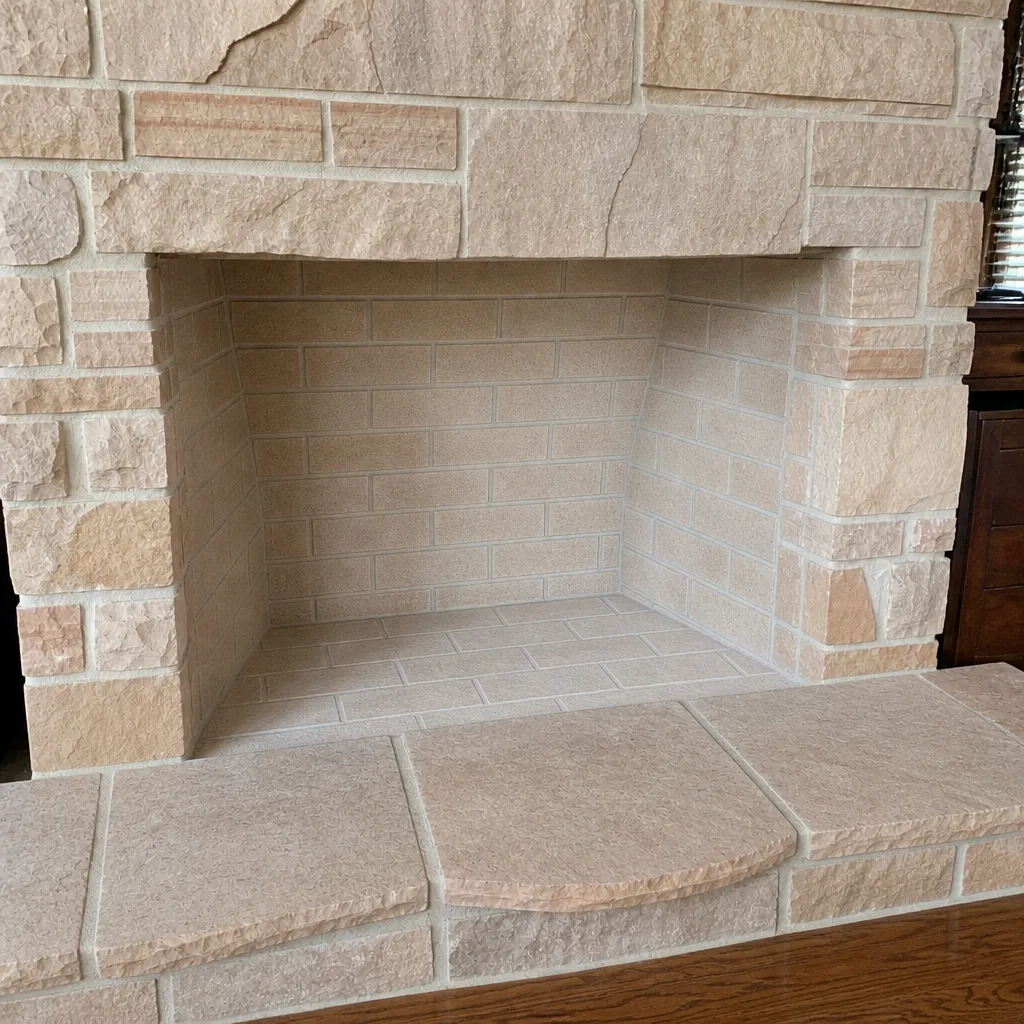
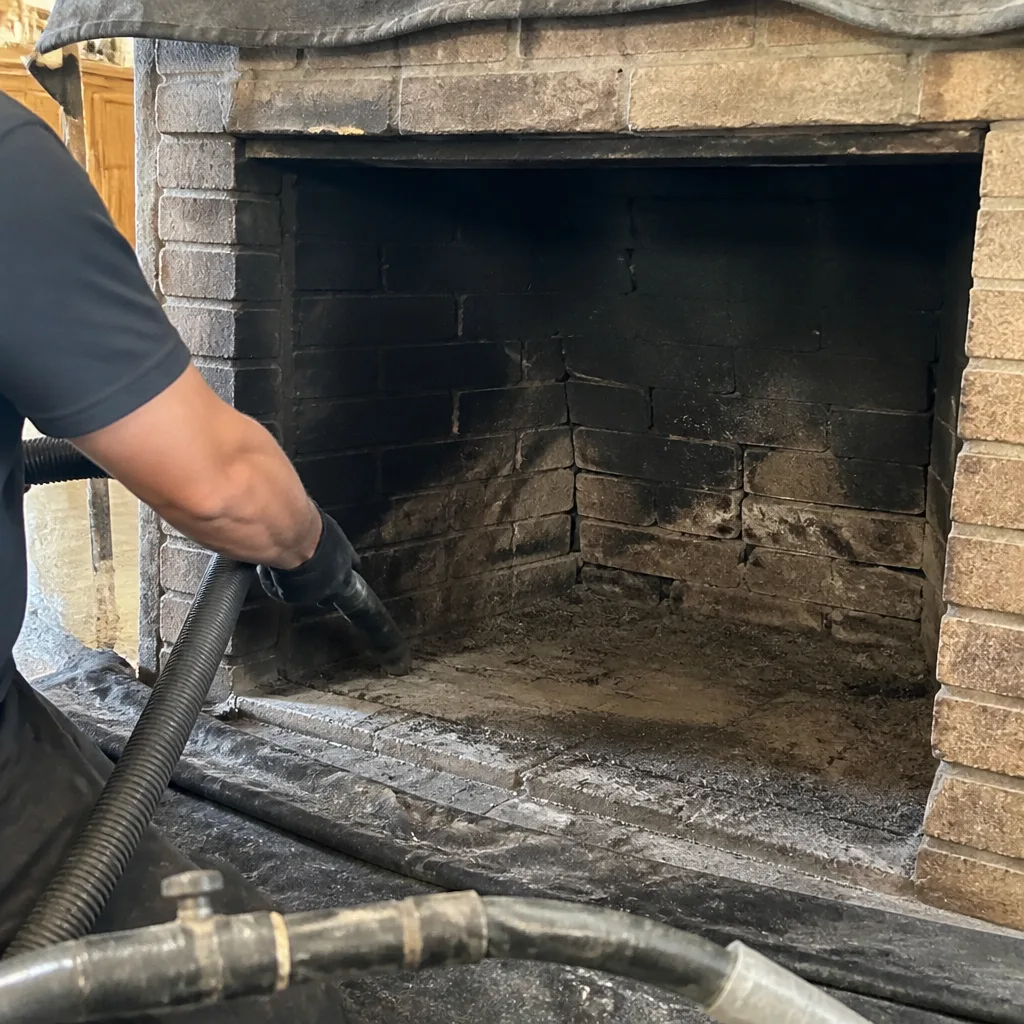
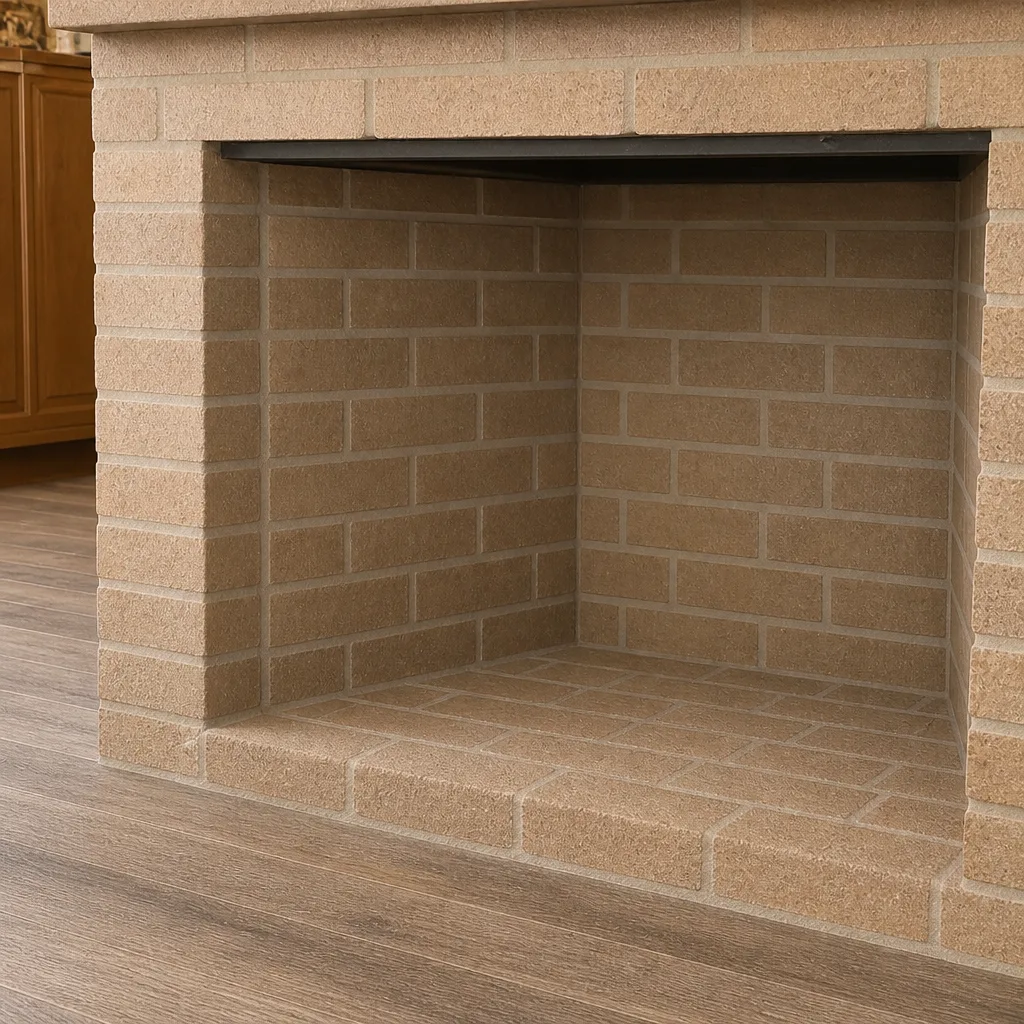
See the difference
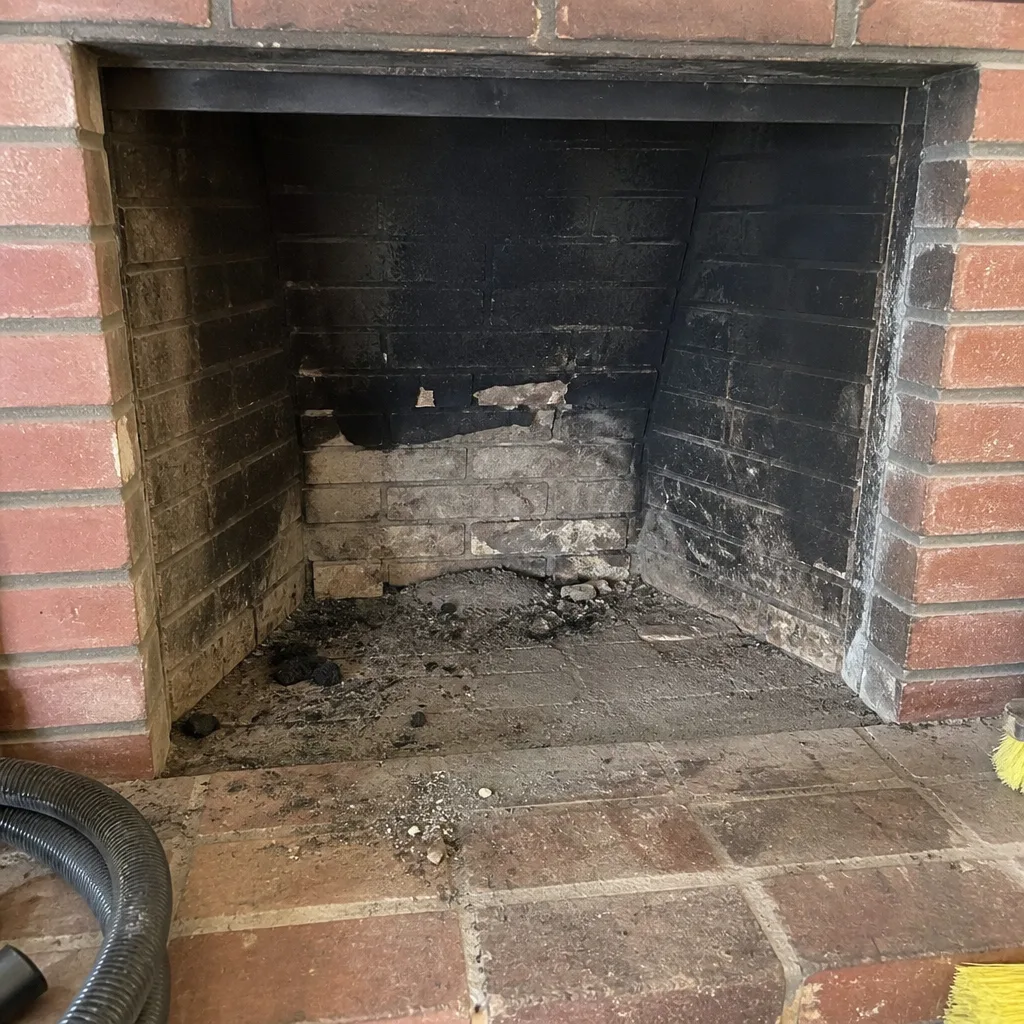 Before
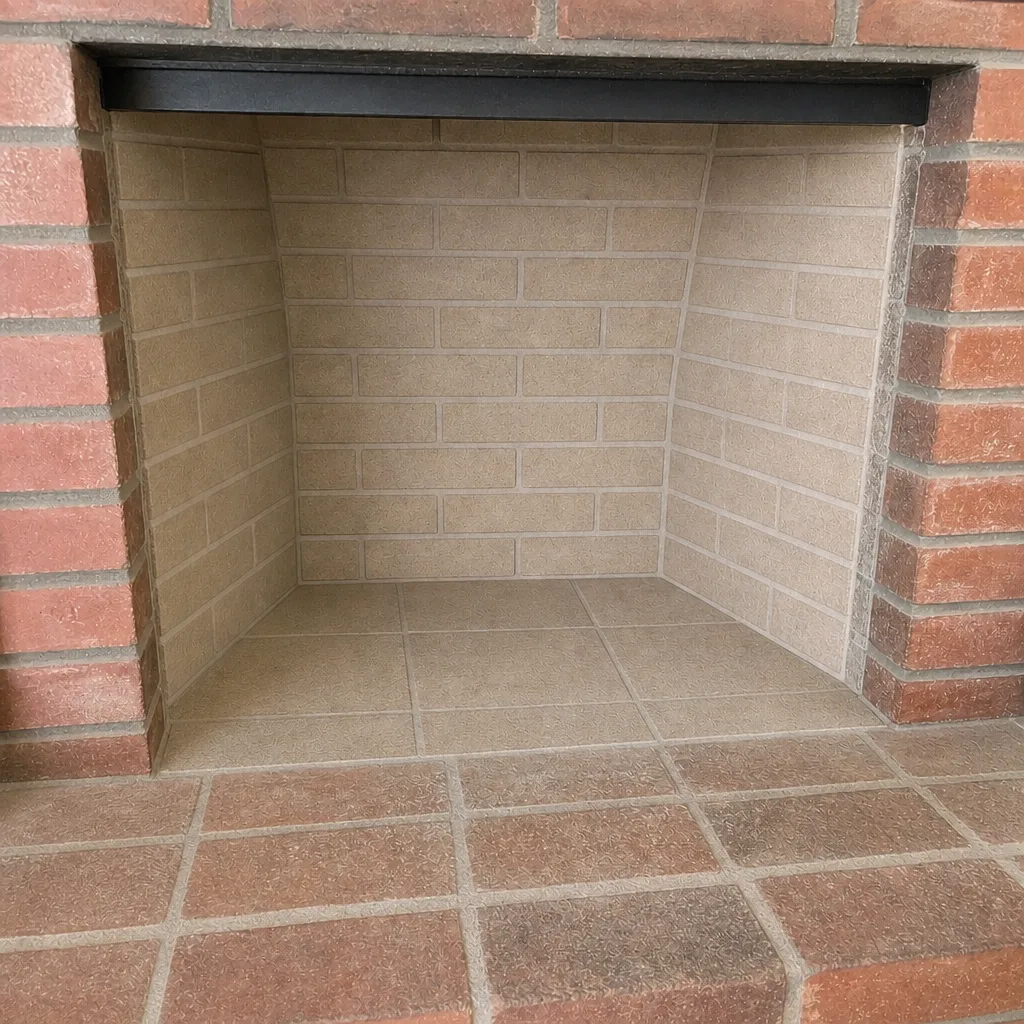 After
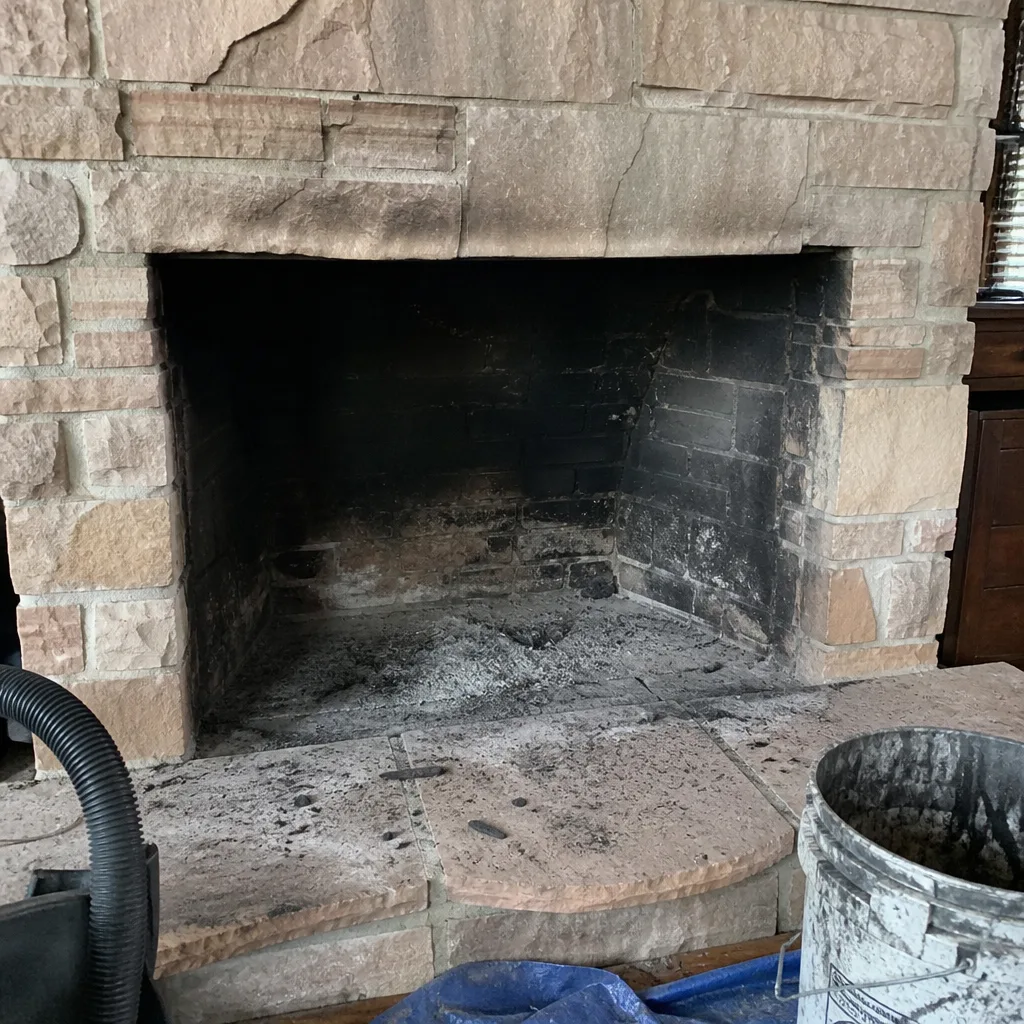 Before
 After
 Before
 After
When to Call a Professional
Some seasonal chimney tasks are safe to do yourself – a visual check of the cap from the ground, clearing the firebox, keeping the area around the chimney clear. Others are not. Anything that requires getting on the roof, looking down a flue, or confirming a crack in the crown or a failed flashing is a job for a trained professional. Ladder work over a roof plus a flue interior are not places to cut corners.
Call a professional if you find standing water in the firebox, notice stains on the ceiling near the chimney, see a masonry crown with visible cracks, smell a strong creosote or damp odor in the room, have a smoking fireplace, or are moving into a Chandler home with no chimney service history. Any of these warrants a real inspection. Chandler Chimney Sweep offers free estimates in Chandler. We work across Chandler‘s neighborhoods, diagnose what’s actually happening with your chimney, and give you a written scope of what needs attention and, just as importantly, what can safely wait. Call (855) 664-1862. We answer 24/7, with fast dispatch from 7am to 7pm.
Frequently Asked Questions
For a typical Chandler home used mainly for ambiance on cool evenings, a professional inspection in October and a cleaning schedule that follows the actual creosote buildup can often stretch to biennial rather than annual. Heavy users, homeowners burning green or scrap wood, and any chimney with a damaged crown or liner should stay on an annual schedule. The only reliable way to decide is inspection, not a blanket rule. Call (855) 664-1862 for an exact quote on an inspection and sweep; estimates are free.
Summer UV and heat are the biggest cause of exterior chimney damage in Chandler, and cracks caught in April or May get repaired before they widen through a hot, dry summer. Fall inspection matters too, but by then the damage from the season has already happened. Spring is the head start; fall is the safety check before first burn.
Standing water in the firebox usually means water is getting in through a failed cap, cracked crown, or damaged flashing, and it should be checked before the fireplace is used. Water in the firebox is a sign, not a small housekeeping issue. A proper inspection locates the source, and the repair is done correctly rather than patched over.
Only if the inspection shows the existing liner is damaged or mismatched to the appliance. A sweep alone won’t fix a cracked or deteriorated liner. When a liner does need replacement, we work with confirmed professional-grade liner systems like DuraFlex and Copperfield, which are specified by professionals and not sold at most big-box stores. Call (855) 664-1862 for an exact quote. Estimates are free.
Yes. Dryer vent cleaning is a standalone service and addresses a leading cause of residential house fires. Lint accumulates in the duct regardless of whether you have a fireplace, and desert dust in the mix makes it worse. If your dryer takes longer to dry a load or feels hotter than it used to, that’s the sign to schedule a vent cleaning.
Only if the chimney is confirmed dry and intact. A chimney that has taken on rain during the summer can still hold moisture in the masonry, and a hot fire in a damp flue puts stress on the liner and can damage the structure. Wait until the post-monsoon inspection confirms the chimney is dry before lighting a fire.
Reliable seasonal care across all four seasons is what supports the safety and longevity of the whole system, and it’s the reason we encourage a Chandler Chimney Sweep review of your chimney at each transition point on the calendar.
The Bottom Line
Chandler’s chimney care calendar is not the national calendar. Summer UV and monsoon water do the structural damage here, while a short, mild winter means creosote accumulates more slowly than cold-climate guides assume. Inspect and address exterior seals in spring, check for leaks through the monsoon, do the real inspection and sweep in October, and monitor throughout the winter use window. Extend your cleaning interval only when an inspection proves the creosote load is light and the structure is sound, and keep the dryer vent on the same seasonal rhythm. When the calendar throws you a question – a damp firebox, a cracked crown, a liner concern – get it looked at rather than guessing.
Chandler Chimney Sweep works as a single qualified contractor for cleaning, repair, and liner work, using professional-grade materials like HeatShield for restorative resurfacing and DuraFlex and Copperfield for liner systems. We diagnose, we clean, we repair – and we tell you plainly when work can wait. Call us at (855) 664-1862 for a free estimate. We answer 24/7, with fast dispatch from 7am to 7pm, Sunday through Friday.
Written by the team at Chandler Chimney Sweep.