
Last updated November 15, 2026
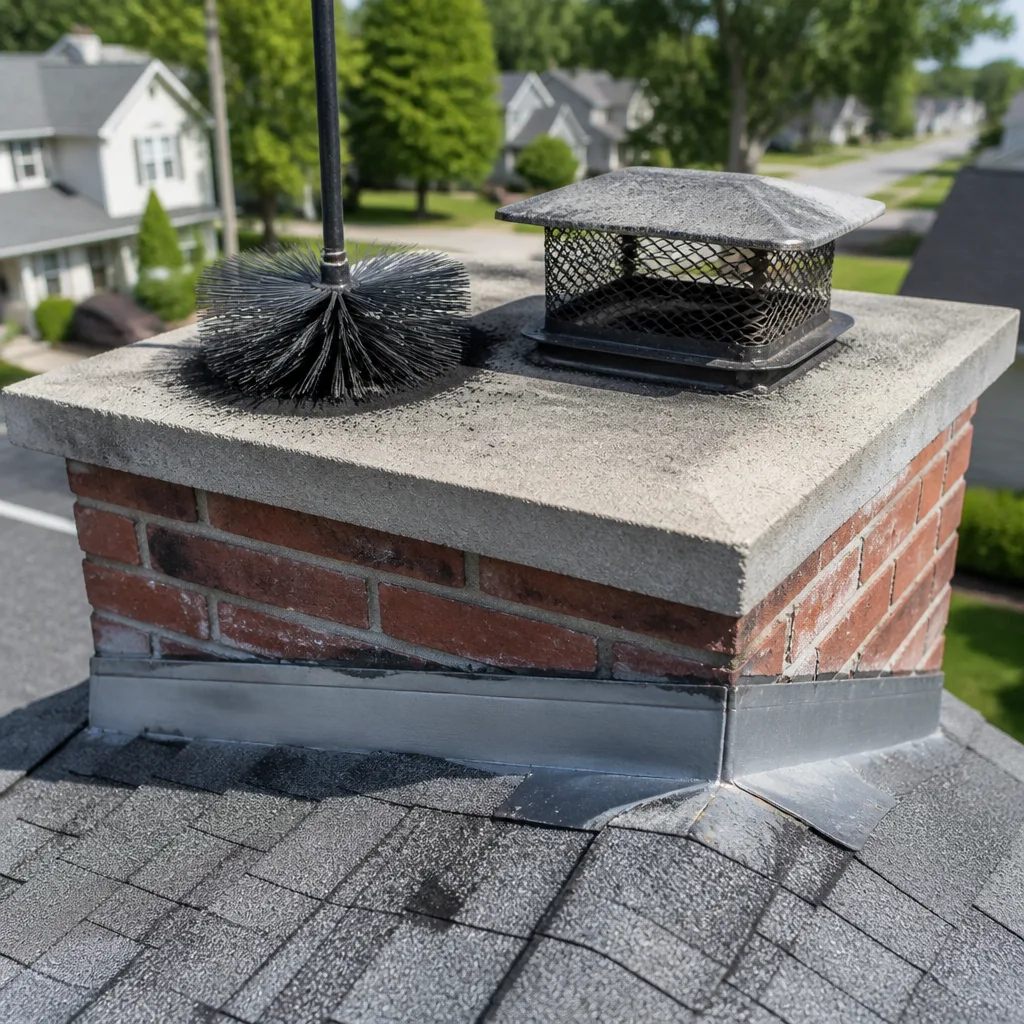 Sweep & inspection
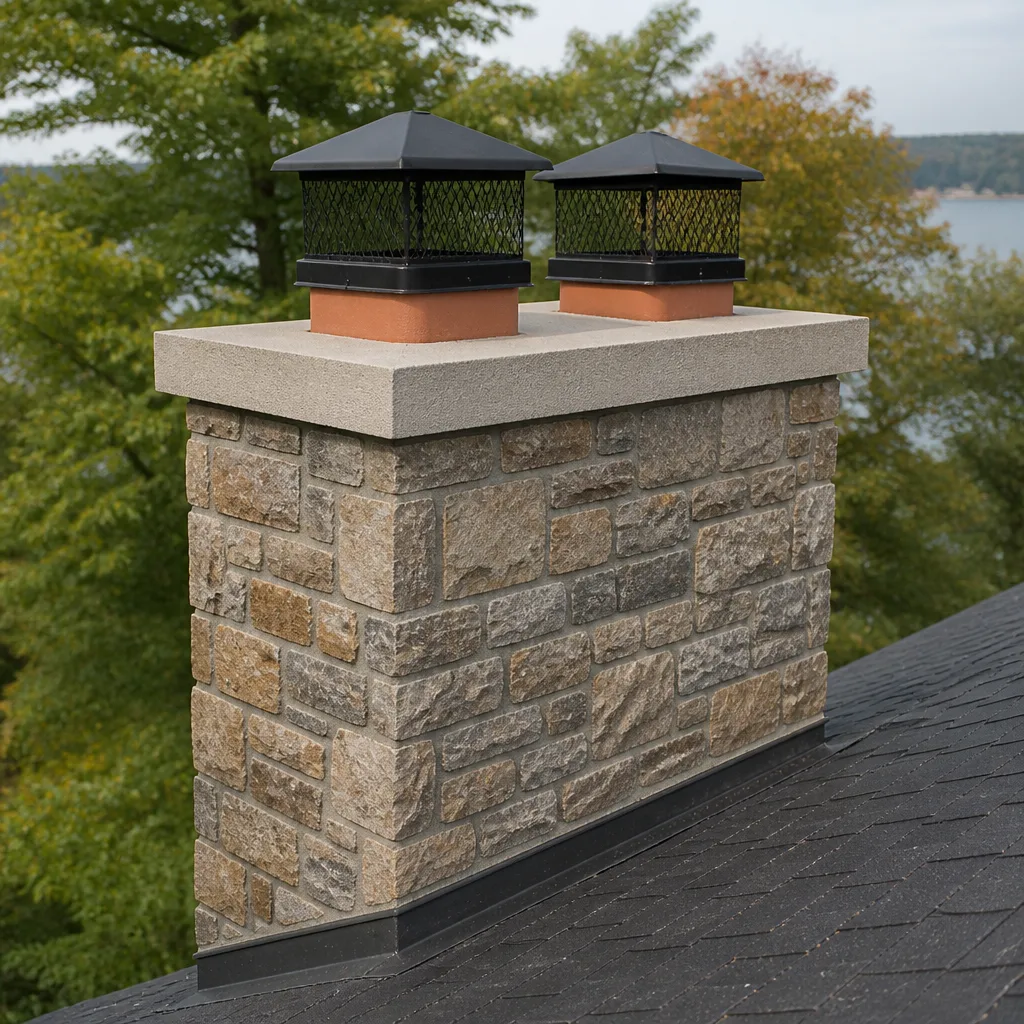 Caps & crowns
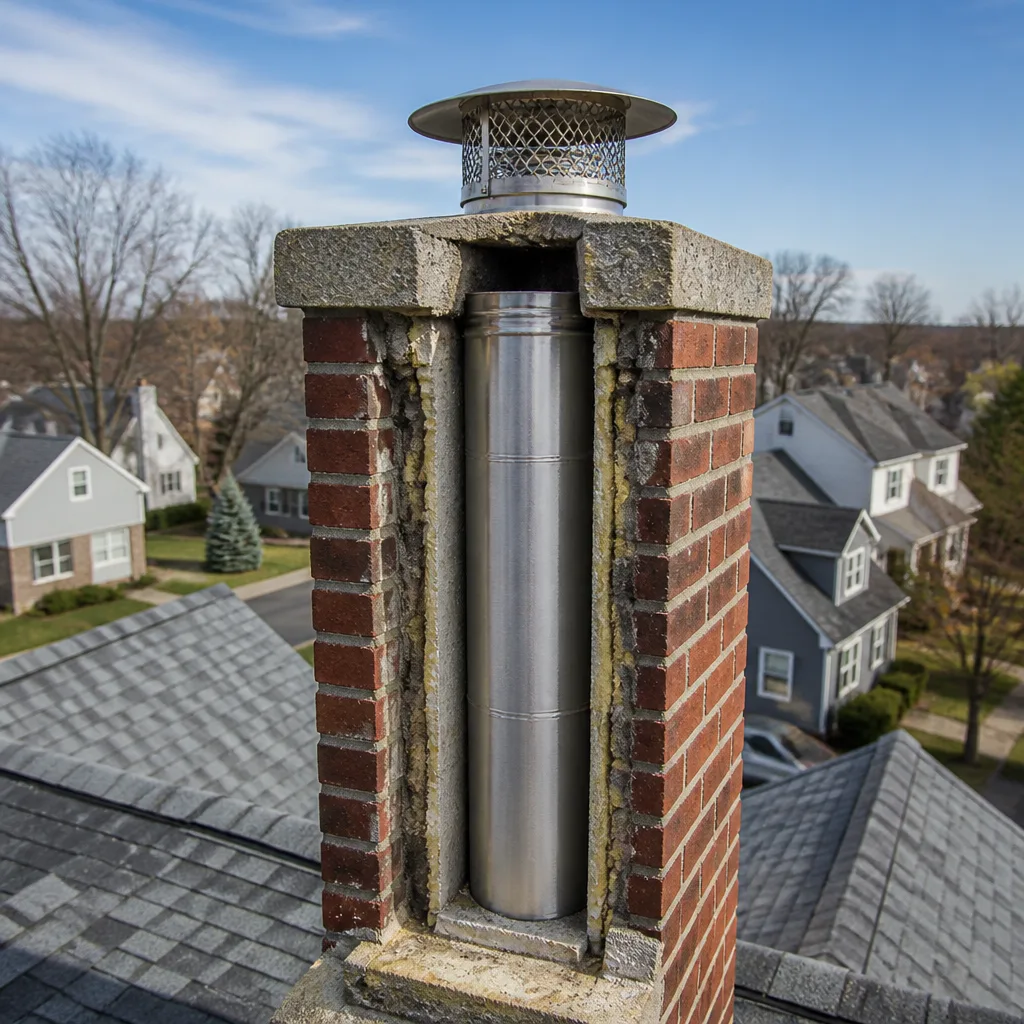 Flue relining
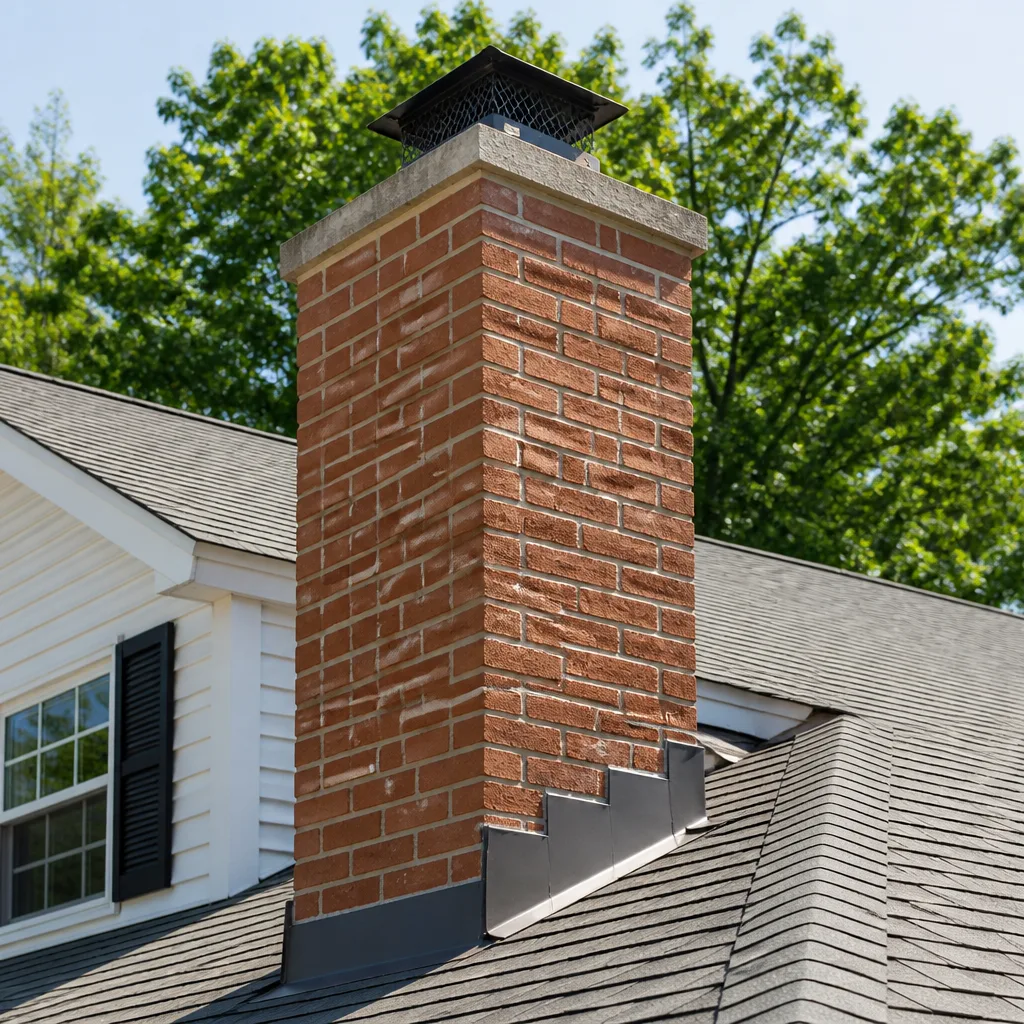 Masonry repair
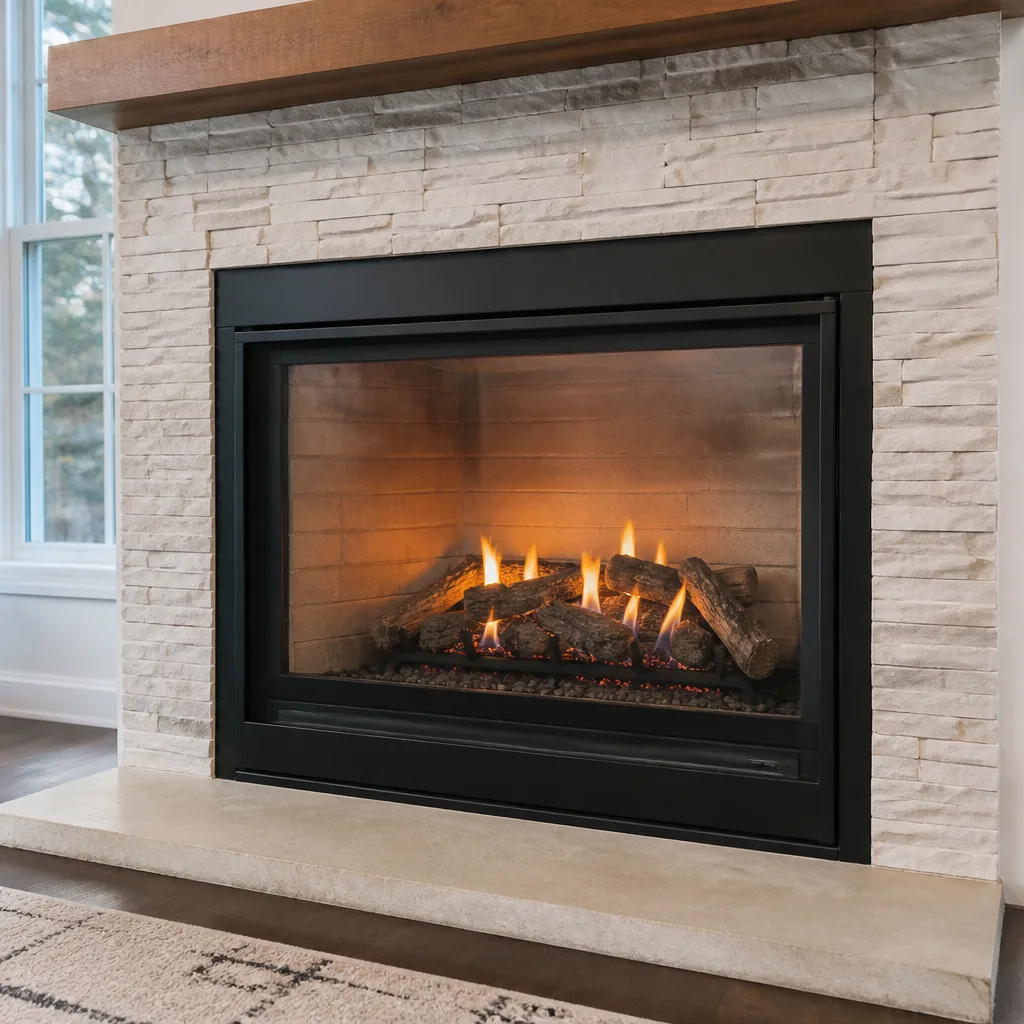 Gas fireplace service
Level 1 sweep and inspection to the NFPA 211 annual standard - flue, crown, cap, and flashing checked and photographed
Chimney sweep logs do not sweep chimneys. They loosen some creosote - which then falls where a brush and vacuum still have to collect it.
How to Hire a Chimney Cleaning Contractor in Chandler: A Step-by-Step Guide
Arizona has no state licensing requirement for chimney sweeps. Anyone can legally show up at your door, clean your chimney, and call themselves a professional, which makes knowing how to screen contractors here more important than almost anywhere else in the country. Homeowners in Chandler tend to assume the chimney trade is licensed the way electricians and plumbers are, and that assumption is exactly what bad operators count on. This guide gives you the tools to vet a chimney contractor on technical merit rather than marketing: what certification really proves, the questions that separate a trained technician from a generalist, the local red flags to watch for after monsoon season, and the paperwork a legitimate operation puts in your hands before any work begins.
Quick Answer
To hire a chimney cleaning contractor in Chandler, verify credentials first (certification, insurance, and complaint history with the Arizona Registrar of Contractors), then ask technical questions about inspection method, tooling, and liner diagnostics before you book. A qualified sweep inspects with a camera, gives you a written estimate with line items, and shows you evidence of any problem before recommending repair. If a contractor can’t answer technical questions or won’t put the scope in writing, that’s your answer.
Styles & brands we work with
- Sweep & inspection
- Caps & crowns
- Flue relining
- Masonry repair
- Gas fireplace service
Table of Contents
- Why chimney contractors in Chandler need more vetting than most trades
- What chimney certification actually verifies, and what it doesn’t
- 11 technical questions to ask before you book
- Why a camera inspection should come before any quote
- What a legitimate written estimate should include
- How to verify insurance and check complaint history
- How to read reviews for technical credibility
- Chandler and Phoenix market red flags to watch for
Why chimney contractors in Chandler need more vetting than most trades
Most states require a chimney sweep to hold some form of license or registration, and some go further with mandatory certification before a company can legally clean a flue. Arizona doesn’t. There’s no statewide credential specific to chimney work here, which means the barrier to entry is a truck, a brush, and a business card. When you let someone onto your roof and into your firebox, you’re trusting them with a system that carries combustion gases out of your house.
That’s the part homeowners miss. A chimney isn’t a decorative feature that occasionally needs dusting. It’s a vent for carbon monoxide and a containment structure for creosote, a tar-like byproduct of wood smoke that ignites at high temperature. A rushed cleaning that misses a flue offset, or an inspection that skips the camera, leaves the actual risk in place. Nobody can see inside a flue from the living room. That’s why vetting here comes down to one question you have to learn to ask: what will this contractor show you?
Chandler adds its own wrinkle. We have a large stock of homes built across several decades, plenty of active fireplaces, and a climate that keeps people indoors with a fire going in the cooler months. Cooling season is long, burning season is short and concentrated, and that pattern means creosote can build up faster than the flat calendar rule suggests. If a sweep treated the “once a year” guideline as a hard habit without looking at how much you actually burn, they missed the point. You’ll learn in the sections below how to find someone who doesn’t.
What chimney certification actually verifies, and what it doesn’t
Certification from a recognized industry body is the floor, not the ceiling. It tells you a technician sat for an exam on chimney construction, venting, and safety, and that they’re expected to keep up with continuing education. That’s meaningful. It filters out the person who bought a brush set last weekend. But it doesn’t tell you the whole story, and treating a certificate as a complete endorsement is how homeowners get comfortable before the important questions get asked.
Here’s a realistic breakdown of what certification does and doesn’t cover:
- What it verifies: baseline knowledge of chimney and venting systems, awareness of code and clearances, and familiarity with inspection categories. It signals that someone treats this as a trade, not a side gig.
- What it verifies: that a technician is operating within a professional framework and can be looked up through the certifying organization if the company claims it.
- What it doesn’t verify: whether the specific person who shows up at your house holds it. Ask if the tech on the job is certified, not just the company.
- What it doesn’t verify: whether the company carries liability insurance, which lives at the company level, not the certificate.
- What it doesn’t verify: whether they carry the tooling and product knowledge for real repairs. Cleaning a flue and correctly resurfacing a damaged chimney with something like a HeatShield ceramic system are different skills.
The takeaway is simple: a certification is a filter, not a final answer. Use it to eliminate the worst options, then keep vetting the rest. A well-rounded chimney sweep attaches real diagnostic capability to that credential.
11 technical questions to ask before you book
The fastest way to separate a trained technician from someone improvising is to ask questions they can’t fake their way through. You don’t need to know the answers yourself. You need to hear how they respond. Anyone competent will answer without hesitation and in plain language; anyone guessing will get vague, get defensive, or get slick.
- “What form of inspection do you perform, and will it include video?” Listen for a clear description of a camera-based inspection with a report you’ll receive. If you hear “we’ll take a look and let you know,” that’s not an inspection, it’s an impression.
- “Do you check the flue for offsets and hidden sections?” A trained sweep knows flues aren’t always a straight shot. If they only talk about the firebox, they’re not inspecting what carries the gas out.
- “How do you decide if my flue is actually safe?” You’re listening for the word “liner” and a mention of visual evidence. Anything about “the way it looks” is thin.
- “What product do you use for liner repair, and why?” If they name a professional-grade system like HeatShield or a DuraFlex liner and can explain the reason, that’s a good sign. If they don’t know what you’re asking, they don’t do the work.
- “Will you sweep or scan the dryer vent too, or is that a separate trade for you?” A full-service contractor handles dryer vent cleaning themselves rather than pointing you elsewhere.
- “Can you show me the before-and-after photos?” Nobody should be taking your word for it, and you shouldn’t take theirs.
- “What’s in your written estimate, and will I see it before work starts?” Line items, not a total. More on this below.
- “Are you insured, and can you send me the certificate?” It’s a fair ask. A legitimate operator has it ready.
- “Are your sweeps certified, and can I verify?” Ask for the name of the certifying organization, and if they claim it, check.
- “How do you handle creosote that’s built up to a hard glazed layer?” The answer should involve a different method than a standard sweep. A sweep who says “we just brush it” is over their head.
- “What if the inspection finds nothing wrong?” Listen for the words “nothing needed.” If every inspection finds work, in our experience that tells you what to think.
Store the best answers. You’ll be asking more than one company, and you’ll want to compare like-for-like rather than on price alone.
Why a camera inspection should come before any quote
No contractor can honestly tell you what your chimney needs before looking inside it, and that includes us. A camera inspection is the difference between a guess and a diagnosis. The flue is an enclosed vertical channel with potential offsets, and the only way to know its condition is to send a camera down it and read the images back. Without that, any recommendation about a liner, resurfacing, or masonry repair is speculation dressed up as knowledge.
Here’s how a proper inspection sequence runs:
- Sweep first, inspect second. You can’t evaluate a flue that’s still coated in soot and creosote. The cleaning comes before the camera, not after.
- Feed the camera down the flue and record. The technician notes cracks, gaps, deterioration, and buildup, and films all of it.
- Photograph the firebox, damper, smoke chamber, and crown. Each of these is a failure point on its own.
- Review the findings with you. You should see what the camera saw, on a screen, before any recommendation gets made.
- Put the findings in writing. The report is the basis for any estimate that follows.
This is the part where a homeowner’s real hesitation lives: being told they need thousands of dollars of liner work they can’t verify. Our answer is camera evidence you can see for yourself, and an honest statement about when work can safely wait. If a flue is sound, we say so. If a liner is compromised, we show the footage. That standard should hold for any company you call.
What a legitimate written estimate should include
A written estimate is the test of whether a company actually has a process, or just a price in their head. The scope needs to be itemized so you can see what the price buys, and it needs to arrive before work begins. Vaguely totaling the job on a business card isn’t an estimate; it’s a handshake you can’t hold anyone to.
Here’s the checklist. Every line should be present, or explain its absence:
- Line items for each task – cleaning, inspection, any repair, all priced separately. A blind total means you can’t tell whether the cleaning is $150 or $600 hiding inside the number.
- Inspection method and reporting – camera inspection and photo report, included and named.
- Specific repair products and quantities – if a flue needs a HeatShield resurfacing or a DuraFlex liner, the material should be named, not described as “chimney work.”
- Cleanup and flooring protection scope – every professional should commit to this in writing.
- A flat price that can’t drift – no hourly add-ons that show up in the final bill.
- What’s not included – honest limits. If the estimate doesn’t mention what it excludes, you’re exposed to change orders.
- Payment terms and completion criteria – when the work is done, not just when it’s scheduled.
If a line item is missing, ask why. Missing inspection language, missing material names, missing exclusions, those are signals about the company’s process, not just an incomplete document. We work with our estimates this way because it’s how the Chandler Chimney Sweep team keeps the scope honest from the first visit to the last.
How to verify insurance and check complaint history
Verifying a contractor’s credentials in Arizona takes two steps: confirm liability insurance, then search the Arizona Registrar of Contractors for the company’s record. The Registrar maintains a public database of licensed contractors and their complaint history. Chimney cleaning may not require a state license, but any contractor offering repair-level work may, and the database is where you check whether a company’s record holds up or has complaints attached.
For the insurance piece:
- Ask for a certificate of insurance and confirm the coverage is current, not expired.
- Ask whether the coverage extends to subcontracted work. A company that farms out the repair is offloading the liability with it.
- Confirm general liability, which covers damage to your roof or property if something goes wrong.
For the complaint piece:
- Search the Arizona Registrar of Contractors for the company name and any prior business names.
- Read any complaints on file for pattern rather than volume. One complaint about a scheduling hiccup is different from three about the same unfinished repair.
- Note whether the company responded to and resolved the issue. Responsiveness matters as much as the initial problem.
If a contractor gets defensive when you ask for insurance or a registrar lookup, that’s a signal loud enough to hear from the driveway. The right answer takes thirty seconds to give and costs them nothing.
How to read reviews for technical credibility
Reviews are your best source of evidence, but only if you read them the right way. Star ratings are useless on their own. A company can have a strong average and still be a poor fit for a chimney system that needs structural repair, because most reviewers don’t know what to look for either. What you want are reviews that describe the process, not just the people.
Look for reviews that mention:
- Camera inspection and photos – “showed me the footage” or “sent me the photos” tells you the inspection was real.
- A written estimate before work started – reviewers who call out the paperwork usually had a process run on them, not just a polite tech.
- Specific findings or repairs – a review that names the problem (a cracked flue, a worn crown, a clogged dryer vent) means the reviewer was shown the diagnosis, not just the outcome.
- Product specifics – someone who says the company used a heat-rated resurfacing system or a named liner is telling you the shop does real restoration work.
- Honesty about not needing work – the best signal of all. Someone saying “they told me everything was fine and I didn’t need anything” is proof of integrity, not just friendliness.
Be careful with reviews that praise speed and price and nothing else. Speed and price are easy to hit when the process is short. What you’re screening for is technical competence and honest reporting, and that’s what the good reviews will name. Also watch for clusters of near-identical reviews at the same time – that’s a marketing pattern, not evidence. Reviews that mention inspections and photos in Chandler properly are the ones to weigh.
Chandler and Phoenix market red flags to watch for
Some of what you need to protect against is specific to this market. A few of the patterns are worth memorizing before you start calling.
The post-monsoon storm chaser
Monsoon season rolls through Chandler with dust, wind, and sudden downpours. After a big storm, out-of-state crews tend to appear offering chimney inspection and repair, sometimes cold-calling the neighborhood. They’re not local, they won’t be here next month, and if something goes wrong with the repair in six months, your warranty walks off with them. Ask any cold-caller for their insurance and their registrar record before you let them near the firebox. Most won’t stay on the phone.
The $49 inspection bait
A low-ball inspection price exists to get them through the door. The price is the hook; the diagnosis is the product. In practice, the sweep finds liner damage on nearly every stop and quotes the repair before you’ve seen a single photo. If the inspection is suspiciously cheap, ask what it includes and whether the findings come with a recorded report. If the answer doesn’t include camera evidence, the inspection is really a sales call.
The camera bait-and-switch
A subtler version: the company advertises a camera inspection, then shows up with a flashlight and a notepad. Or it runs the camera, describes what it “found,” and never shows you the footage. The fix is to insist on seeing it. A technician who runs a camera has nothing to hide from it. If a company can’t or won’t show you the recording before recommending repair, you’ve found the red flag.
Other warning signs, in no particular order:
- No written estimate, or an estimate that arrives only after work starts.
- Vague material language (“good quality liner”), or a refusal to name the product being used.
- Pressure to decide on a repair at the same visit, with no time to look at the report.
- A “sweep” who also offers roofing, tree work, and driveway sealing. A salesperson driving every trade is likely a subcontractor with a phone.
- Anyone who can’t answer whether a licensed chimney professional should handle a given repair.
Common Mistakes to Avoid
- Assuming the license exists. Arizona doesn’t require a state credential specific to chimney cleaning, so the barrier is low. That’s exactly why verifying certification, insurance, and registry history matters here more than it would in a licensed trade.
- Letting the cheapest bid win. A low sweep price often signals the diagnostic side will be thin. The real cost is the repair you didn’t get shown, or the creosote the brush missed.
- Skipping the camera on principle. If a company won’t put a camera in the flue and show you the footage, you have no way to know the flue is safe. That’s a general statement, not an accusation, and it applies to every company you call.
- Booking without a written estimate. A total on a business card isn’t a scope. Missing line items give a company room to add charges after the fact.
- Falling for the post-monsoon cold call. Out-of-state storm chasers show up after big weather and disappear just as fast. Ask for local verification, and if they can’t give it, move on.
- Reading reviews for warmth instead of process. A five-star review that says nothing about inspections or photos won’t help you. The reviews that describe the process are the ones that tell you how a company actually works.
- Forgetting the dryer vent entirely. Your dryer vent is a separate fire risk that most homeowners never think about. When you’re already talking to a full-service contractor, ask them to add it or handle it as a standalone service. A good dryer vent cleaning is a cheap way to protect the whole house.
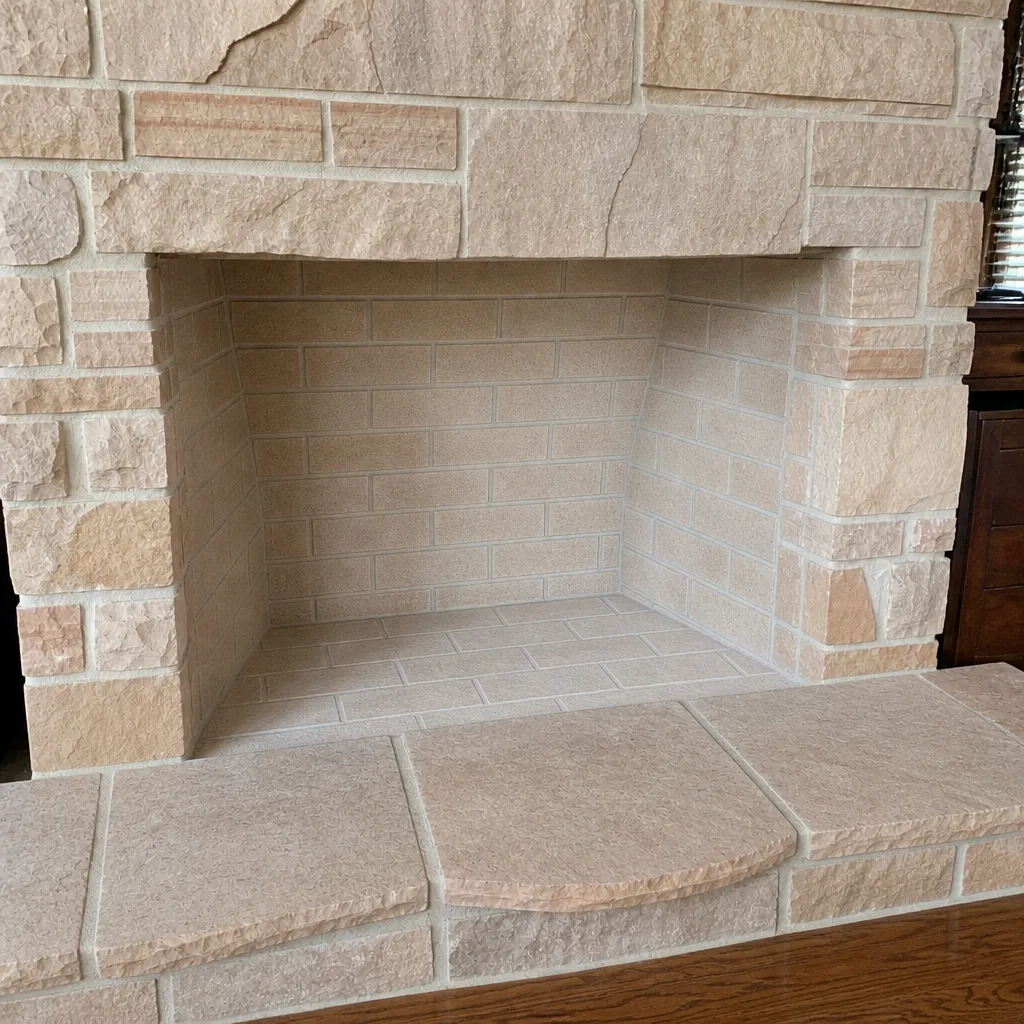
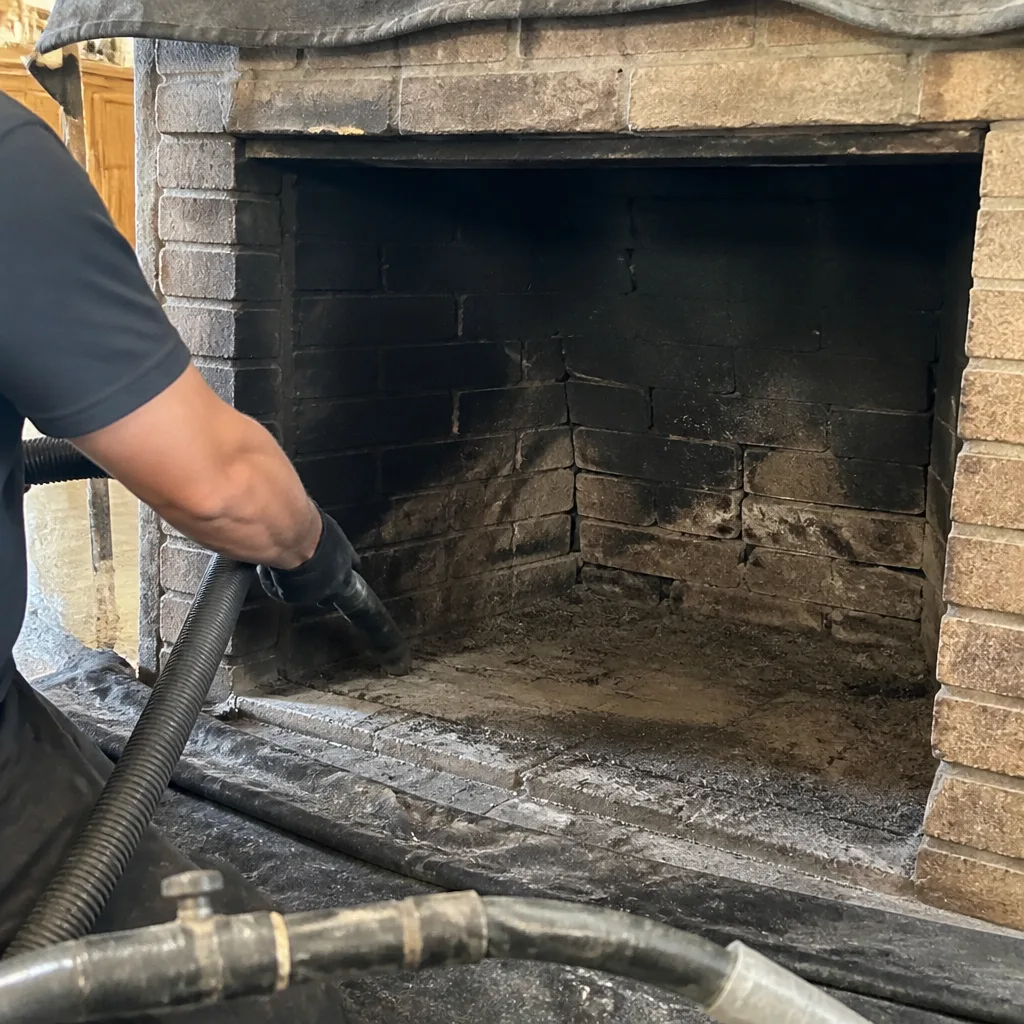
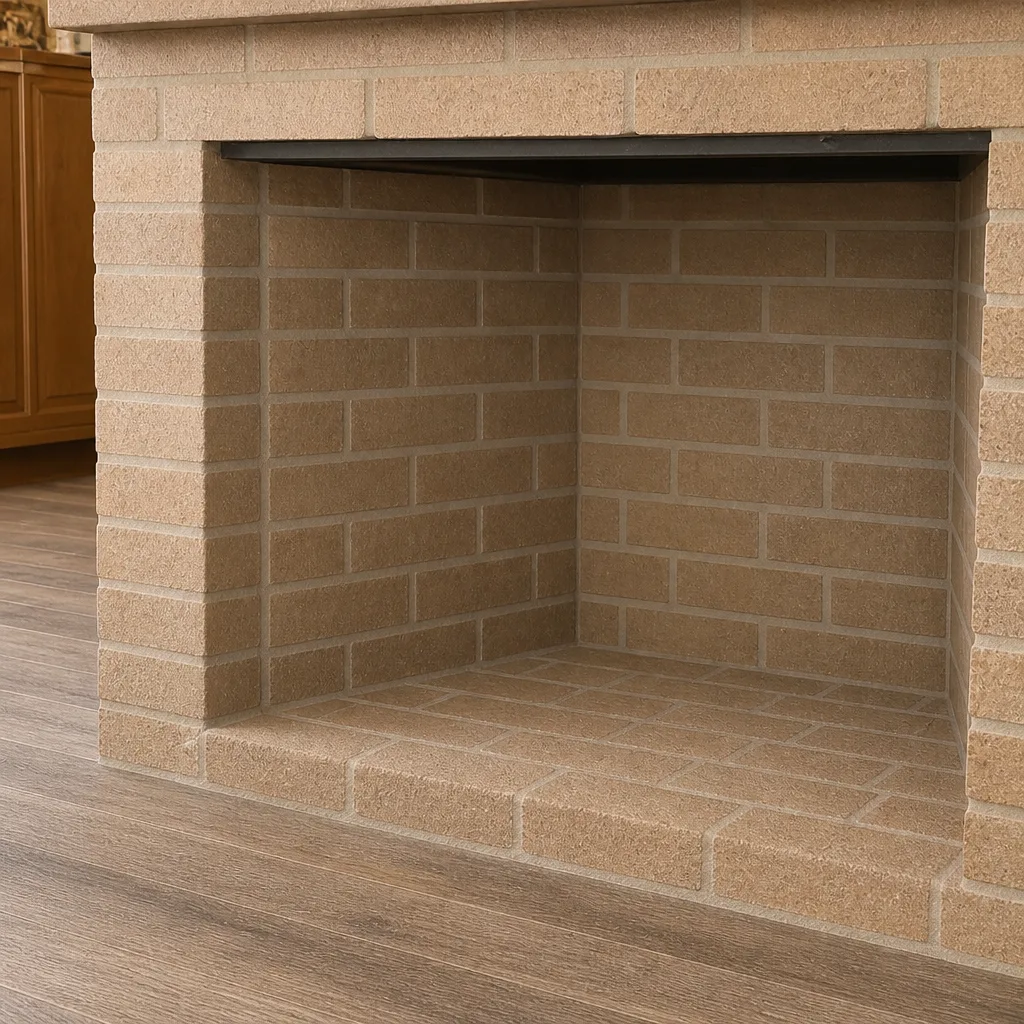
See the difference
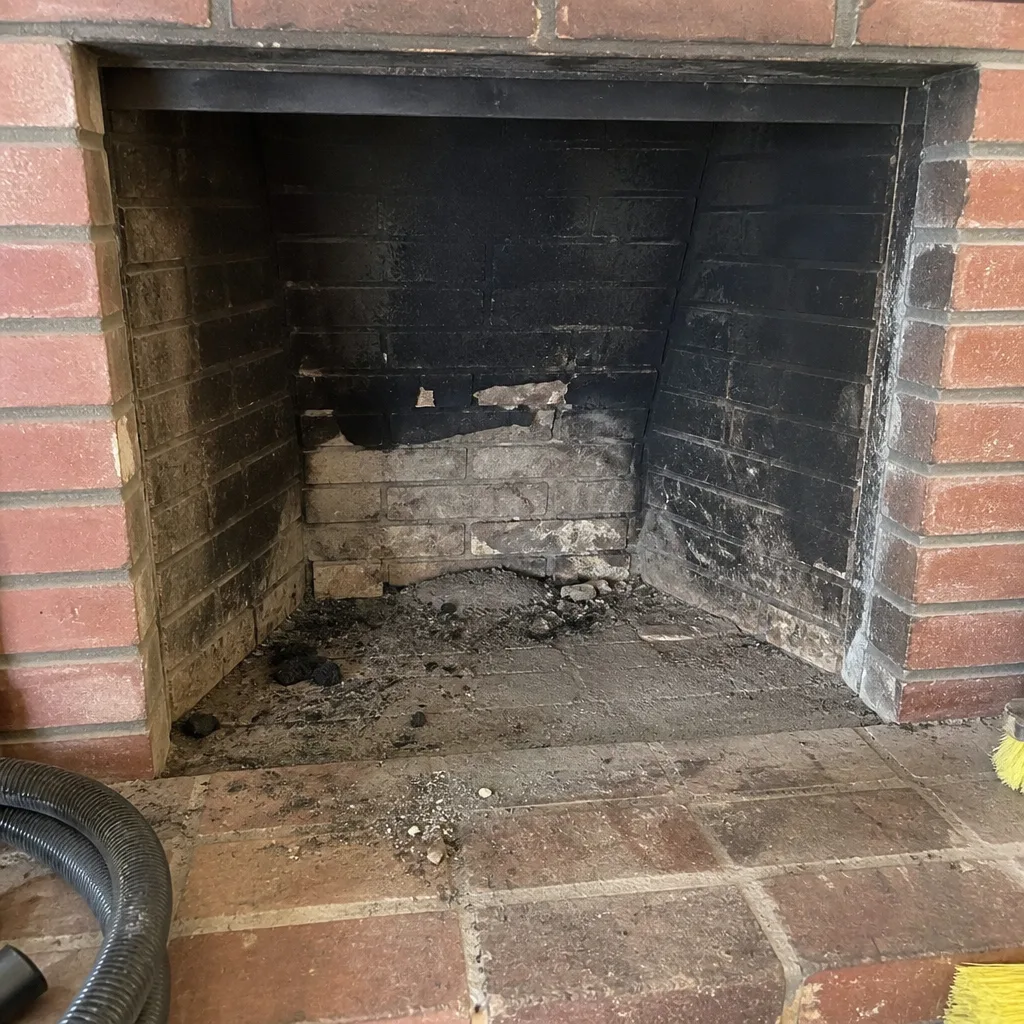 Before
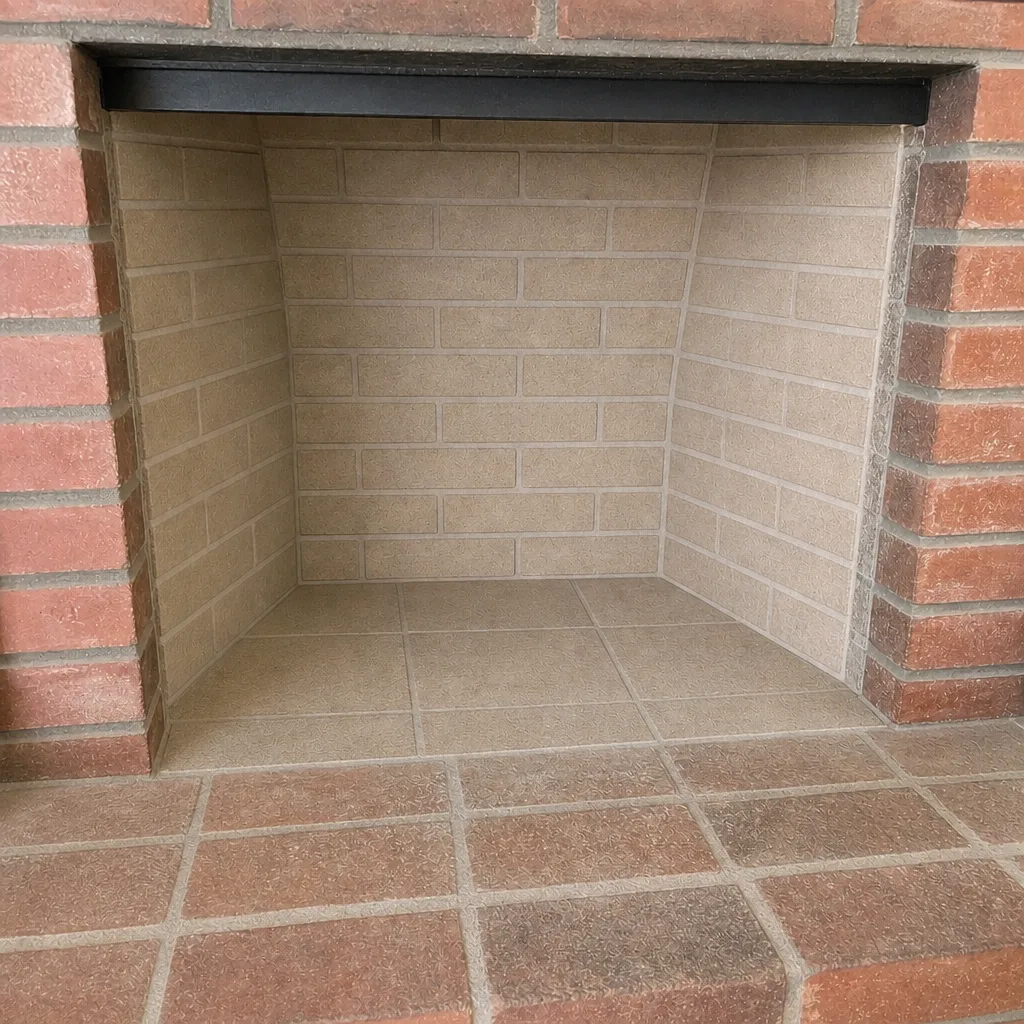 After
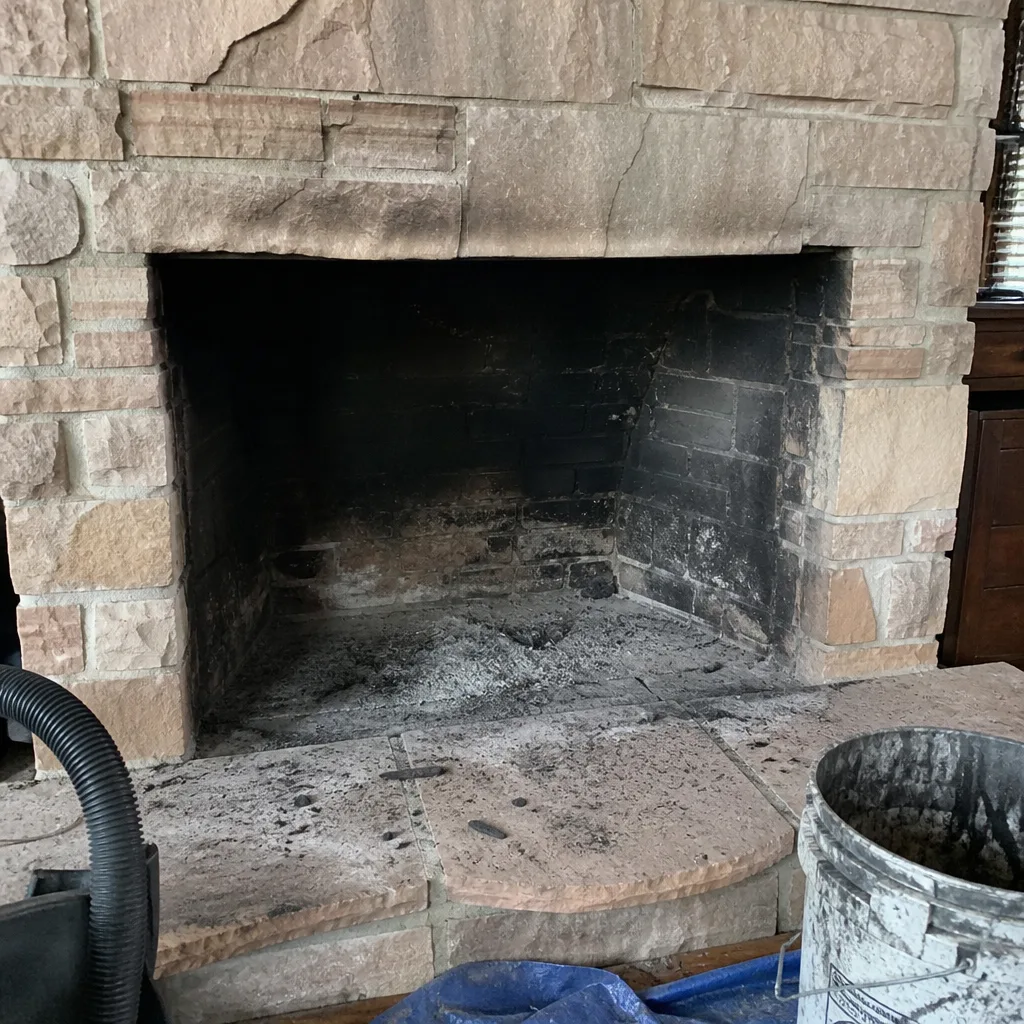 Before
 After
 Before
 After
When to Call a Professional
Some chimney work is a call a homeowner should make today, not next month. Book a professional if you’re seeing dark stains or soot around the firebox, if smoke backs into the room when you light a fire, if you can smell creosote long after the fire’s been out, or if the chimney is over a year from its last cleaning. The same goes for any change in how a dryer runs or dries. A technician who has a video camera has the one tool you don’t. Our technicians have up to 12 years of experience and carry the professional-grade brands, from Copperfield to Gelco, that the job actually asks for. If your chimney hasn’t been looked at in years, or you’re not sure it ever has been, start with an inspection. Chandler Chimney Sweep offers free estimates in Chandler – call (855) 664-1862. We answer 24/7. If you’re getting ready to move or preparing to sell, getting a written inspection report is a smart step. Give us a call and we’ll book you in.
Frequently Asked Questions
Chimney sweeping in Chandler is priced per job, by written estimate, after the scope is clear, and we don’t quote a number until we’ve seen the chimney and confirmed what it needs. The estimate is free, and the price in writing is the price you pay. If you want a firm figure, the fastest path is an inspection. Call (855) 664-1862 for an exact quote, estimates are free.
You need a new liner only if the camera shows one is warranted. A cracked or deteriorated liner lets combustion gases into the structure of the house, so it matters, but that’s a conclusion that has to be based on evidence you can see, not a contractor’s word. A company that shows you the footage before recommending a liner is doing the job correctly, and one that can’t is asking for trust it hasn’t earned. Call (855) 664-1862 for a camera-based inspection.
Sweep your chimney based on how much you actually burn, and let the inspection tell you the rest. Many homes in Chandler burn for a short concentrated window each winter, so annual sweeping is a reasonable rule to start from, but a house that burns consistently needs attention more often than one that lights a fire a few times a season. The right answer is to look inside the flue, not guess. Call (855) 664-1862 to get it checked.
Creosote builds up in the flue and becomes a fuel source; if it ignites, you have a chimney fire, and a compromised liner lets carbon monoxide into the house. That’s the simple, honest version: the risk isn’t smoke smell or a dirty fireplace, it’s fire and gas. Skipping the inspection means these go undetected. Call (855) 664-1862 to book a sweep and know where you stand.
We handle dryer vent cleaning as a standalone service, not as an add-on to a chimney call. Dryer vents trap lint in ways that create real fire risk, and most homeowners never look at them, so it’s worth the call even if there’s no fireplace involved. If you’re booking chimney work anyway, ask to get the vent looked at in the same visit. Call (855) 664-1862 to schedule.
We diagnose, clean, and repair, and we work with the professional-grade brands that real restoration requires: HeatShield for resurfacing, DuraFlex and Olympia Chimney for liner systems, and materials from Copperfield and Famco. That means one qualified contractor handles the diagnosis and the fix rather than handing you off to a second company mid-job. Call (855) 664-1862 to talk through what your chimney needs.
The Bottom Line
The chimney trade in Arizona is not tightly regulated, which puts the burden of vetting on you. Use certification as a starting filter, then push further: ask the technical questions that separate a trained technician from someone improvising, insist on a camera inspection before any repair is quoted, and require a written estimate with line items before work starts. Verify insurance, search the Arizona Registrar of Contractors for a record, and read reviews for the process they describe rather than the tone they strike. Watch for the local red flags after monsoon season and the low-ball inspection offers. Do that, and the gap between a credentialed professional and a truck with brushes becomes visible before you hire, not after. When you’re ready, the team at Chandler Chimney Sweep will put the evidence in front of you and let you decide.
Ready to get a straight answer about your chimney? Call (855) 664-1862 for a free estimate. We answer 24/7. Fast dispatch from 7am to 7pm, Sunday through Friday.
Written by the team at Chandler Chimney Sweep.